
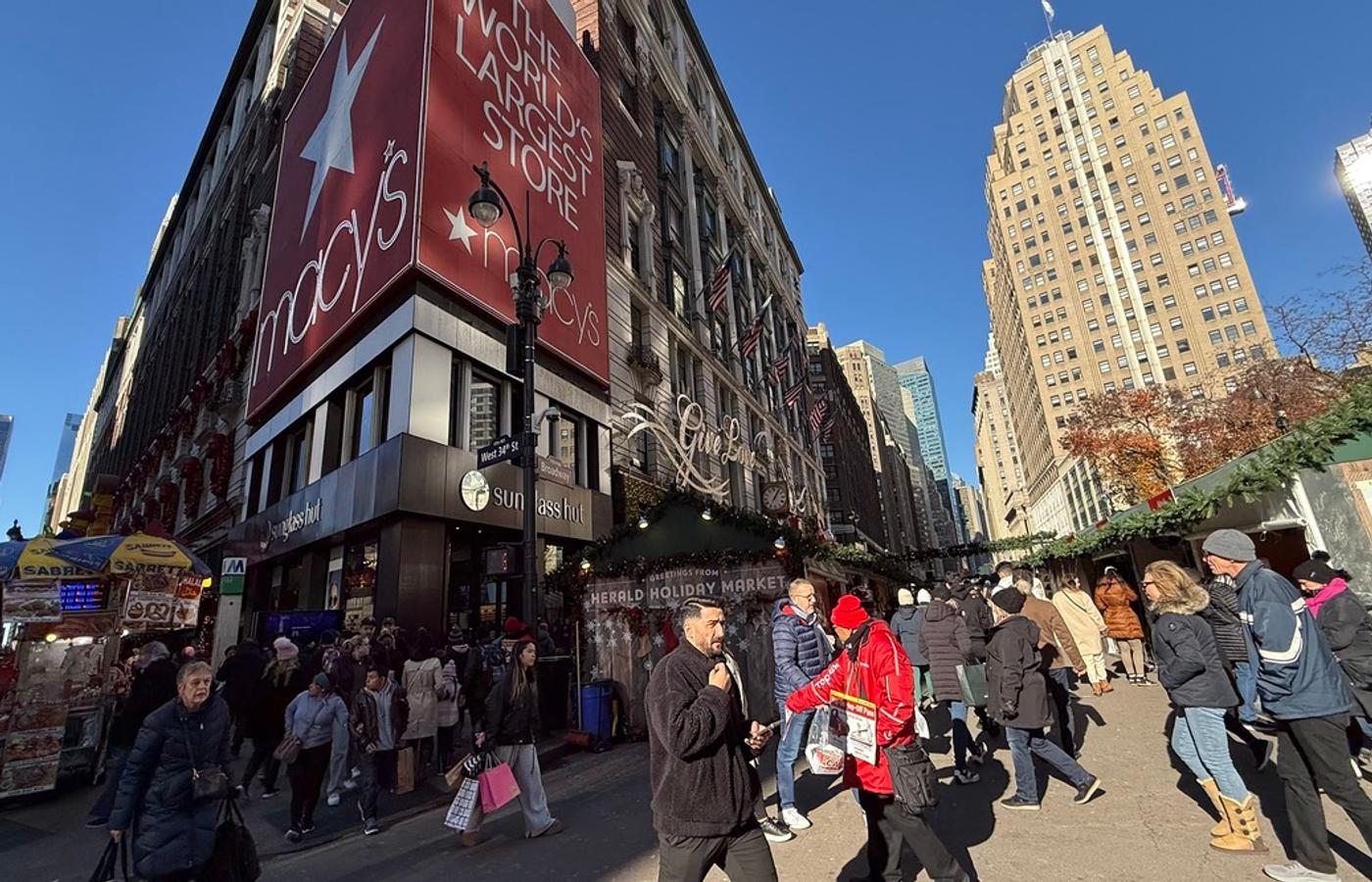
The 2026 holiday shopping season is about a month away. Black Friday and year-end sales once meant standing in long lines from before dawn, waiting for store doors to open, a kind of shopping won with sheer physical effort. Today's shopping landscape in 2026 is a different game, shaped by artificial intelligence (AI), regional tax breaks and
The 2026 holiday shopping season is about a month away. Black Friday and year-end sales once meant standing in long lines from before dawn, waiting for store doors to open, a kind of shopping won with sheer physical effort. Today's shopping landscape in 2026 has become a contest of "smart strategy," combining artificial intelligence (AI), regional tax breaks and sophisticated financial partnerships. With high prices and high interest rates now entrenched, New Yorkers and New Jerseyans are not swayed by headline discount percentages. They are refining how they spend to get the most real value.
AI Meets Big Data: Real-Time Price Tracking and Cashback Stacking
The first pillar of 2026 shopping strategy is, above all, AI-driven data. The latest price-tracking algorithms and personalized shopping-assistant apps analyze each retailer's price history going back several months. That lets shoppers spot "fake discounts," in which a price is deliberately raised before a sale is applied, and pinpoint the moment a product hits its historical low.
"Cashback stacking," which layers major cashback platforms such as Camelcamelcamel, Capital One Shopping and Rakuten on top of credit card issuers' own rewards programs, has also gone mainstream. Using algorithms that calculate in real time which combination yields the most extra rewards on online and in-store purchases, a growing number of consumers are cutting the final cost of the same product by 15% to 25% or more.
Maximizing Location-Based Tax Breaks: New Jersey's Tax-Free Clothing and Shoes, and Outlet Routes
For residents of the East Coast, especially New York and New Jersey, planning a purchase route that takes advantage of geography is essential. New Jersey fully exempts clothing and footwear from state sales tax (0%). In New York City, by contrast, state and city sales tax are waived only on items under $110. For shoppers buying expensive designer clothing, winter coats or luxury shoes, especially in groups or for the whole family, heading to New Jersey's Garden State Plaza, American Dream or Bergen Town Center is the surest way to save hundreds of dollars in tax on the spot.

Meanwhile, shoppers hunting for bags, accessories and certain high-end brands are targeting Woodbury Common Premium Outlets in New York State or flagship pop-up stores in Manhattan. They are building hybrid routes that line up VIP membership coupon books with timed-sale windows in advance.
3. The Death of the "Doorbuster" and Hybrid Online-and-In-Store Shopping
The old "doorbuster" legend, in which shoppers waited in the cold on Thanksgiving night for the doors to open, has vanished in 2026. Major retail chains such as Target, Walmart and Best Buy now roll out early-bird online sales in stages from late October through mid-November, greatly widening the window for holiday shopping.
As a result, the 2026 smart shopper locks in popular electronics and digital devices through online early-bird deals, then visits stores over the holidays for furniture, clothing and beauty products that need to be tried on or felt in person. This is "hybrid shopping." Shoppers are also making good use of BOPIS (Buy Online, Pick-up In Store), which lets them order online and collect the same day, avoiding shipping delays and picking up additional store-only coupons.
4. Rebalancing Card Points and Managing BNPL (Buy Now, Pay Later) Wisely
Guarding against household debt from heavy year-end spending is also a key part of a shopping strategy. "Point rebalancing" is gaining popularity: converting airline miles and credit card points accumulated over the year into gift cards or statement credits to reduce actual cash outlays.
Experts also stress a cool-headed approach to the recently booming "Buy Now, Pay Later" (BNPL) services. To keep indiscriminate installment payments from leading to carried-over interest or a lower credit score, they advise setting up automatic payments and imposing a strict short-term budget limit.
Shopping strategy in 2026 is not a contest to buy more things for less. It is "value-centered spending": carefully buying only what you truly need, through the most trusted channels and at fair prices, while combining tax breaks and technology tools along the way. A 2026 holiday season built on smart spending can be the best key to enjoying a full, satisfying season even under the weight of high prices.