
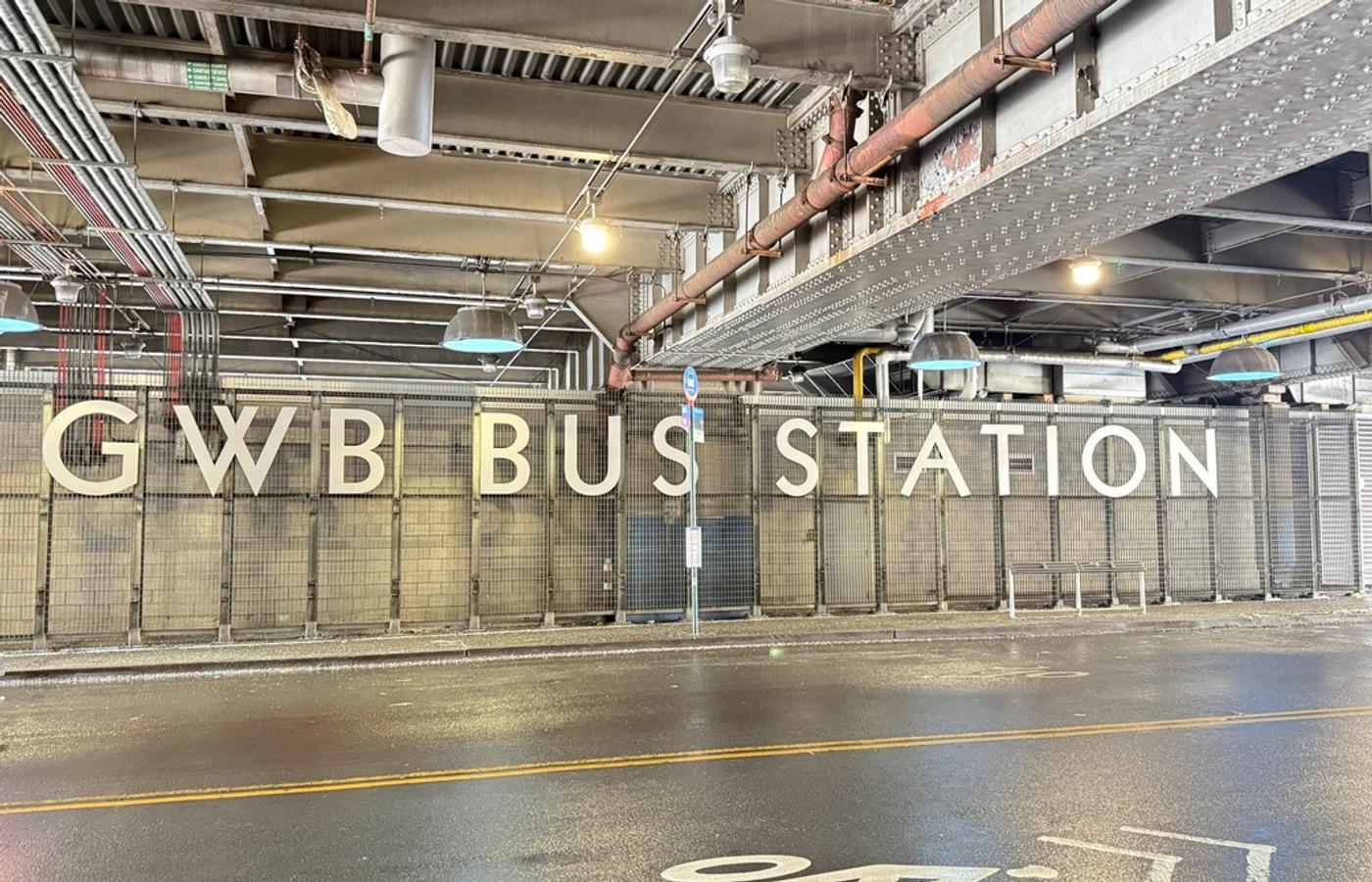
The George Washington Bridge (GWB) spans the Hudson River between Washington Heights in northern Manhattan and Fort Lee in Bergen County, New Jersey. It is the East Coast's key artery, carrying more freight and more people than any other crossing.
The George Washington Bridge (GWB) spans the Hudson River between Washington Heights in northern Manhattan and Fort Lee in Bergen County, New Jersey. It is the East Coast's key artery, carrying more freight and more people than any other crossing. At the New York end of this majestic suspension bridge stands the George Washington Bridge Bus Station (GWB Bus Station), a major transit hub that handles tens of thousands of commuters and large volumes of freight moving between New York and New Jersey every day.
The Port Authority of New York and New Jersey (PANYNJ) is now in the final stage of upper-level roadway and cable repairs under "Restoring the George," a $1.9 billion overhaul of the bridge, and travel between New York and New Jersey across the span has become smoother. At the same time, residential and commercial development across Upper Manhattan is rapidly increasing foot traffic. The GWB Bus Station, long overshadowed by its aging facilities, is undergoing a sweeping transformation from a simple transfer point into a combined transit and shopping hub.
A Fresh Look at the Gateway: Upper Manhattan's Entry Point for Freight and Commuters
Completed in 1963 and designed by the Italian structural engineer Pier Luigi Nervi, the GWB Bus Station is a landmark prized for its dramatic exposed concrete and a roof structure shaped like butterfly wings. An underground passage connects it directly to the A train at 175th St, and the 1 train at 181st St is nearby. That has made it the fastest and most efficient route from New Jersey into Manhattan's core, including Midtown and the Financial District.
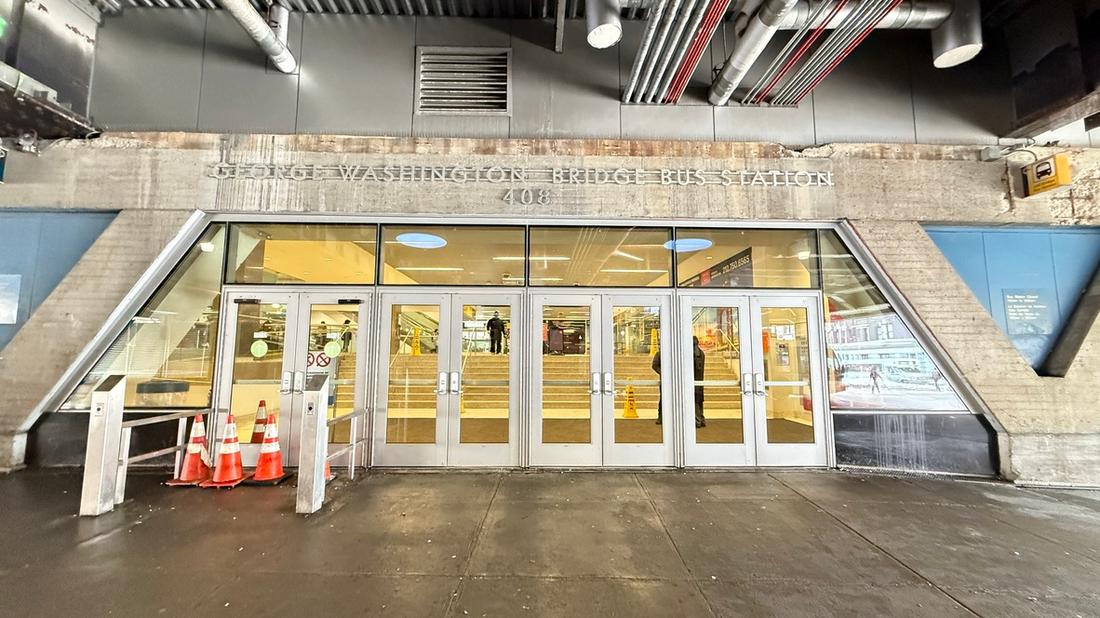
Hundreds of local intercity buses and commuter shuttles, including NJ Transit, pass through the station's depot each day, linking major Bergen County towns. The terminal is also a junction for freight moving between New York and New Jersey, so the area around 178th Street and Broadway is always busy with regional traffic.
Aging Challenges and the Payoff of a $180 Million Renovation
Over more than half a century, however, the terminal fell into serious disrepair. Dark, chilly waiting areas, awkward access to the bus platforms and outdated restrooms were the main reasons riders avoided lingering there. Though it is one of the busiest transit crossroads in New York City, it remained an ordinary place people hurried through, worn out.
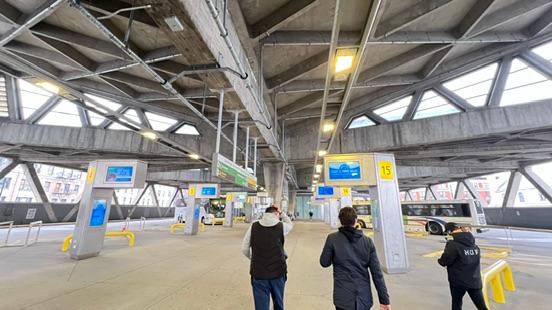
To overcome these shortcomings, the Port Authority teamed up with a private developer on a large-scale, $183 million modernization project. The open-air platforms and waiting areas were turned into comfortable enclosed spaces, and a new retail center of about 120,000 square feet was built. Well-known clothing brands such as Marshalls and Gap Factory, the Fine Fare supermarket and Blink Fitness have moved in, giving nearby residents and transit riders everyday retail services they need.
"Restoring the George" and Rising Foot Traffic Reinforce Each Other
The terminal's comeback is being driven by the recently accelerated repairs to the bridge's upper level and by demographic change in Upper Manhattan. Under the Port Authority's "Restoring the George" project, the GWB's upper-level roadways and access ramps have been extensively upgraded. That has reduced lane bottlenecks and greatly improved the punctuality of bus service, giving residents of northern New Jersey a strong reason to take public transit into Manhattan.
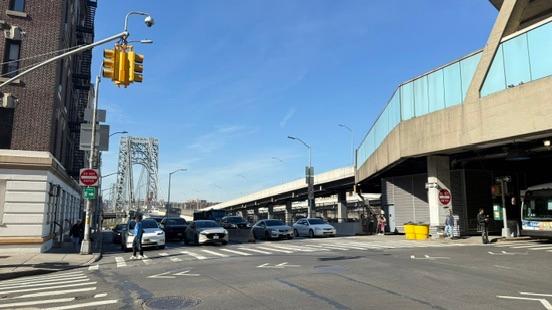
At the same time, young professionals and multicultural immigrant households have been moving into Washington Heights and neighboring Morningside Heights and Harlem, sharply increasing demand for shops and transit amenities in the area. The added foot traffic is boosting sales at the terminal's retail tenants, creating a virtuous cycle. It is also a decisive force in turning an area once seen as run-down and unsafe into what may be Upper Manhattan's liveliest district for transit and retail.
A Vision for a 21st-Century Regional Hub
The GWB Bus Station is moving beyond its role as a one-dimensional transfer point and becoming a multipurpose hub where New Yorkers and New Jerseyans buy groceries, shop and connect with one another as part of daily life. Combining the dignity of a historic architectural landmark with modern retail, the station is expected to keep absorbing growing transit demand from northern New York while serving as a solid commercial anchor for Upper Manhattan's local economy.