
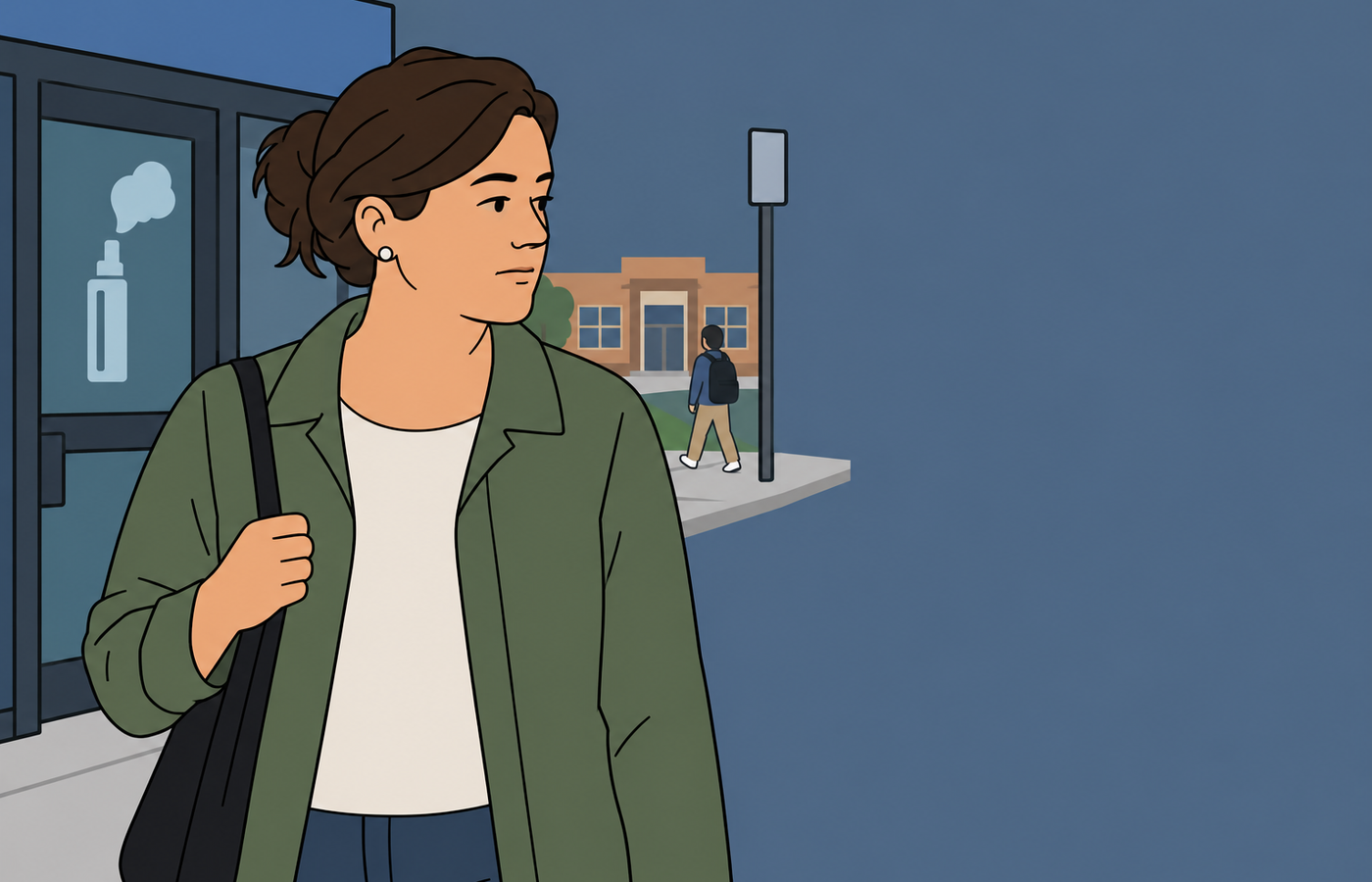
The New York City Council is considering a bill (Introduction 1167) that would let the city shut down businesses that repeatedly sell banned flavored e-cigarettes. A Council investigation found that about one-third of public middle and high schools have a store selling banned products nearby. Unlicensed shops were fined about $1.12 million, but only 0.5% of that has been paid.
The New York City Council is considering a bill that would let the city shut down businesses that repeatedly sell banned flavored vapes. According to Patch, Introduction 1167, sponsored by Council Member Mercedes Narcisse, would give the city a way to close stores in addition to fining them. A Council investigation found that nearly one-third of the city's public middle and high schools have a shop selling banned flavored vapes within 500 feet (about 150 meters).
Narcisse said, in essence, that for stores selling products that are already illegal, fines are merely a cost of doing business. The city banned flavored vape sales citywide in 2019, but some stores left the products on open shelves. Others kept them behind the counter and showed their stock only when an undercover investigator posing as a customer asked for flavored products. Council Member Harvey Epstein said 64% of New York City students report that vaping is common at their school.
The Council's Oversight and Investigations Division conducted the investigation, and Council Speaker Julie Menin released the report on Wednesday. Investigators visited 193 locations, including licensed tobacco retailers and unlicensed shops that had recently drawn tobacco or vape complaints. Of the stores that sold vapes, 40% sold products with clearly banned flavors, such as fruit, candy or dessert. Another 43% sold products labeled "clear," which investigators said could be a way of disguising banned flavors. The Council recommended that the Department of Consumer and Worker Protection (DCWP) examine how manufacturers and retailers use the "clear" label and determine whether it violates the law.
More than one-quarter of the 101 city-licensed shops that sold vapes carried at least one banned flavor, and all 28 unlicensed shops that sold vapes sold banned products. The city fined businesses without a valid vape retail license about $1.12 million, but only 0.5% of that has actually been paid. If the bill passes, repeat violations could lead not only to fines but also to forced closure.