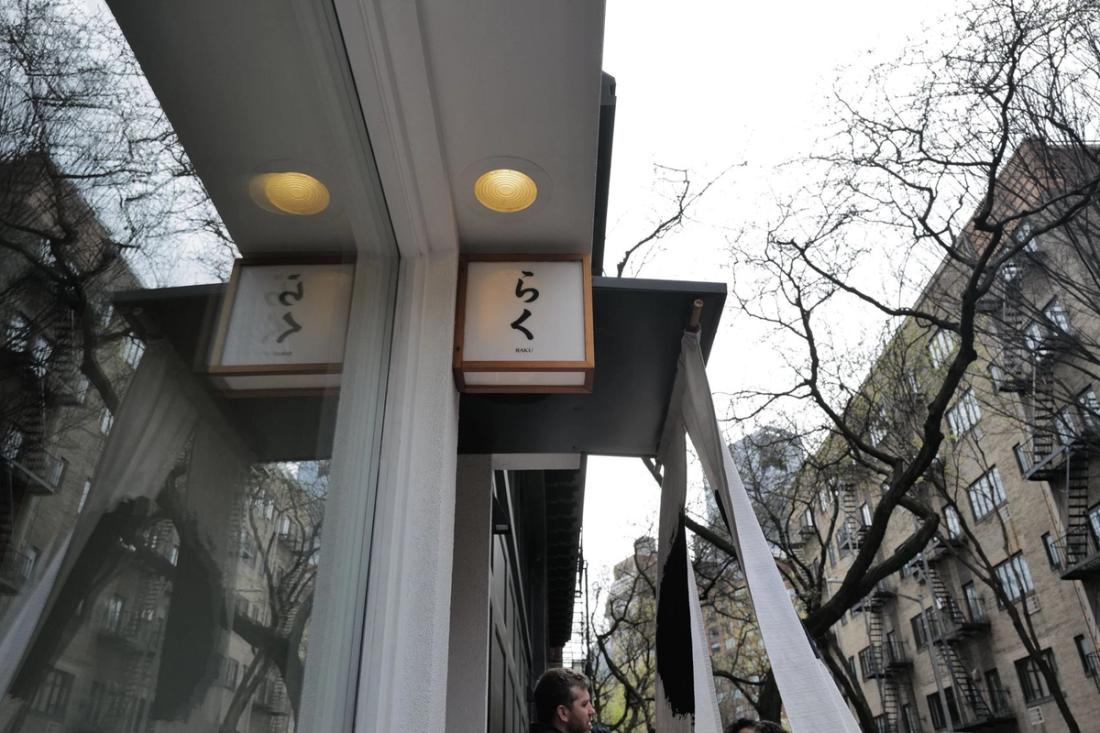
Raku, an udon restaurant on MacDougal Street between the West Village and SoHo in Manhattan, is the creation of Chef Norihiro Ishizuka, who has cooked in Japan for more than 60 years. Chewy noodles, dashi broth and crisp tempura have helped it expand to the East Village, Midtown and Toronto.
One block south of Washington Square Park in Manhattan, a white cloth with a black circle hangs on the white building at 48 MacDougal St. It is a noren, the curtain hung at the entrance of Japanese restaurants. This is Raku SoHo, an udon specialty shop.
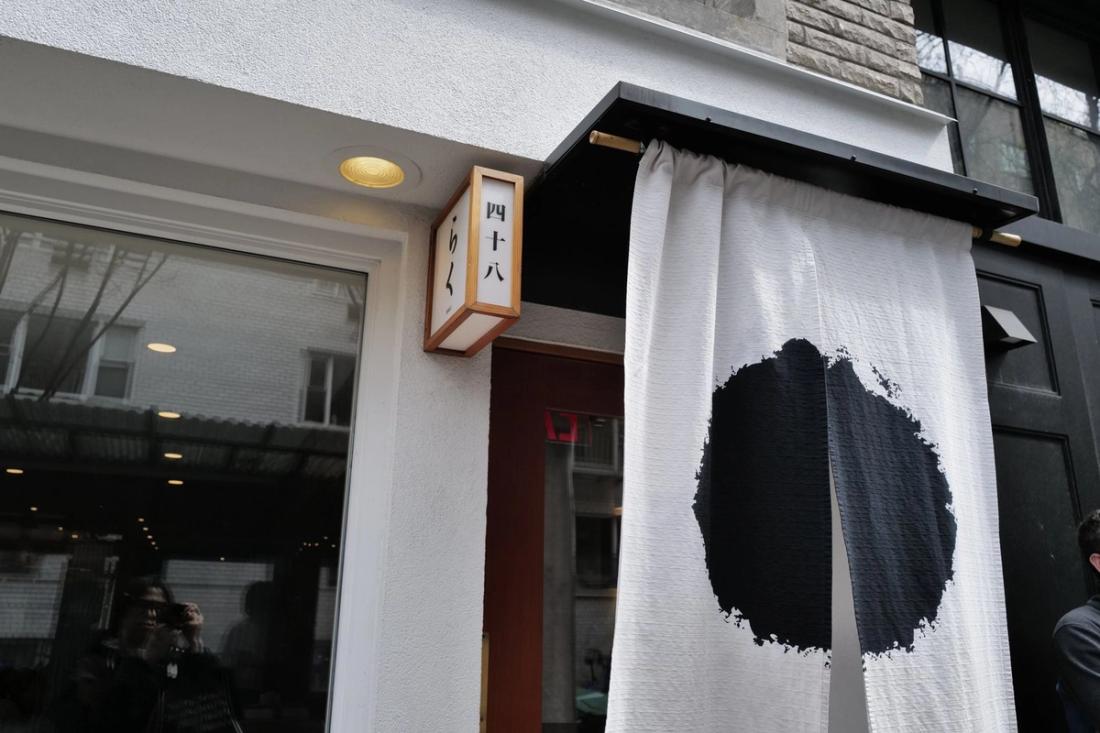
A cooking career that began at 13
Raku was founded by Chef Norihiro Ishizuka. According to Raku, he began working at kappo restaurants (Japanese restaurants serving seasonal, chef-prepared dishes) and udon shops at age 13 to help support his widowed mother and four brothers. After more than 60 years of cooking and building several restaurants, he opened a shop built around udon, long loved in Japan as comforting home-style food. That shop is Raku.
Raku started on East 6th Street in the East Village and grew to SoHo (MacDougal Street) and Midtown (Ninth Avenue). It has also expanded to Toronto, Canada. In Brooklyn, it has a location for delivery and takeout only. This year, the SoHo menu lists champon udon as an "11th Anniversary Special."
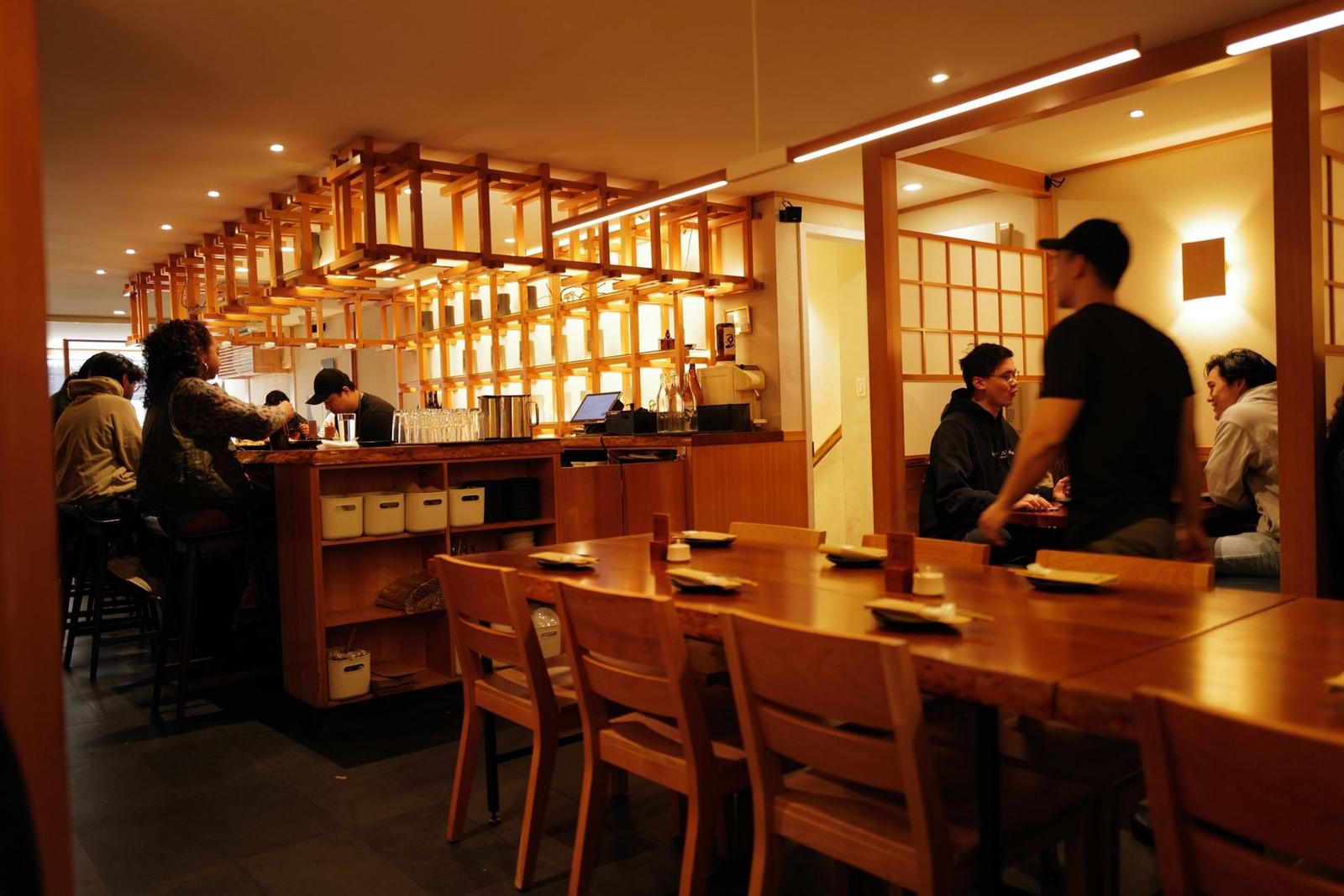
An open kitchen under a wooden lattice
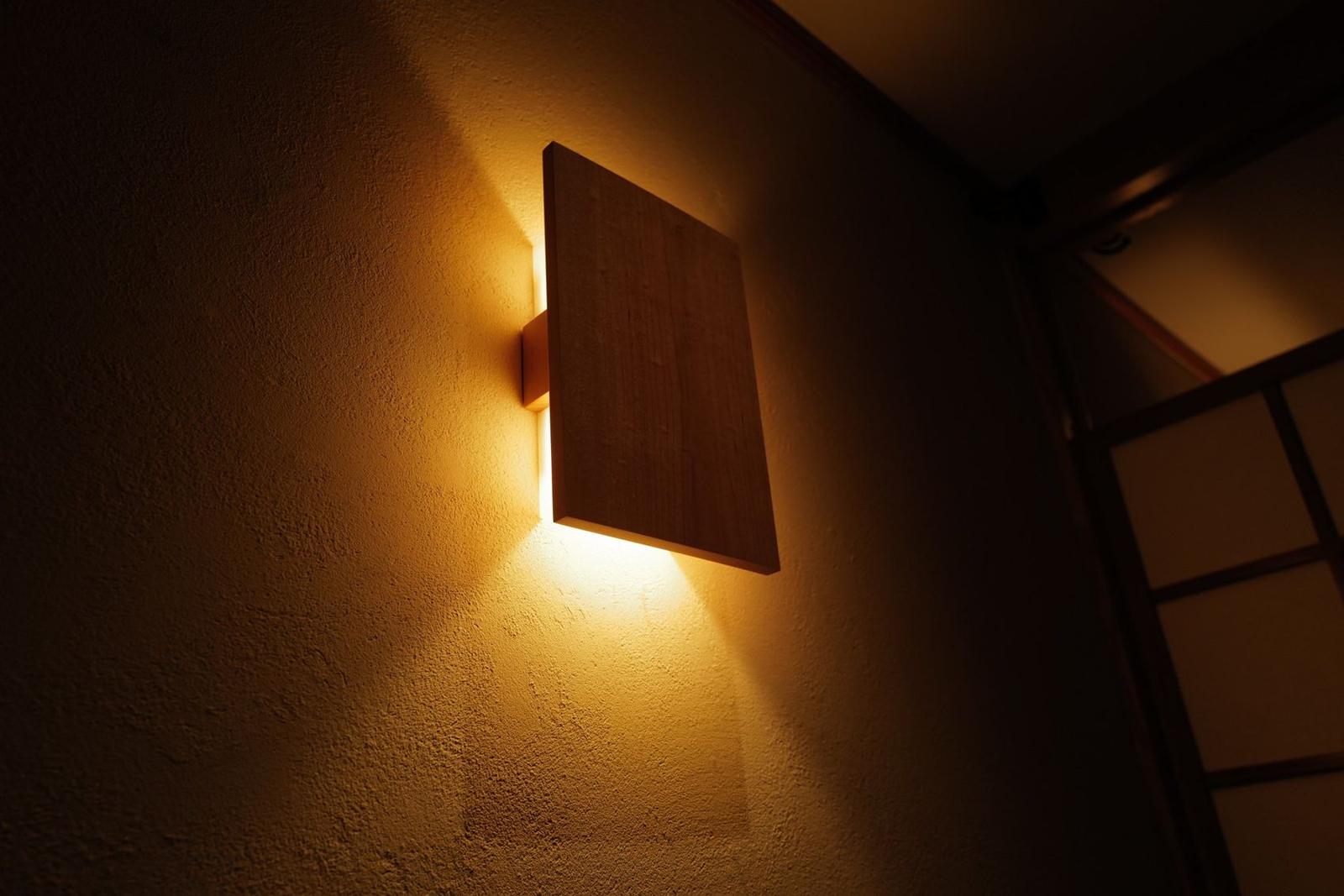
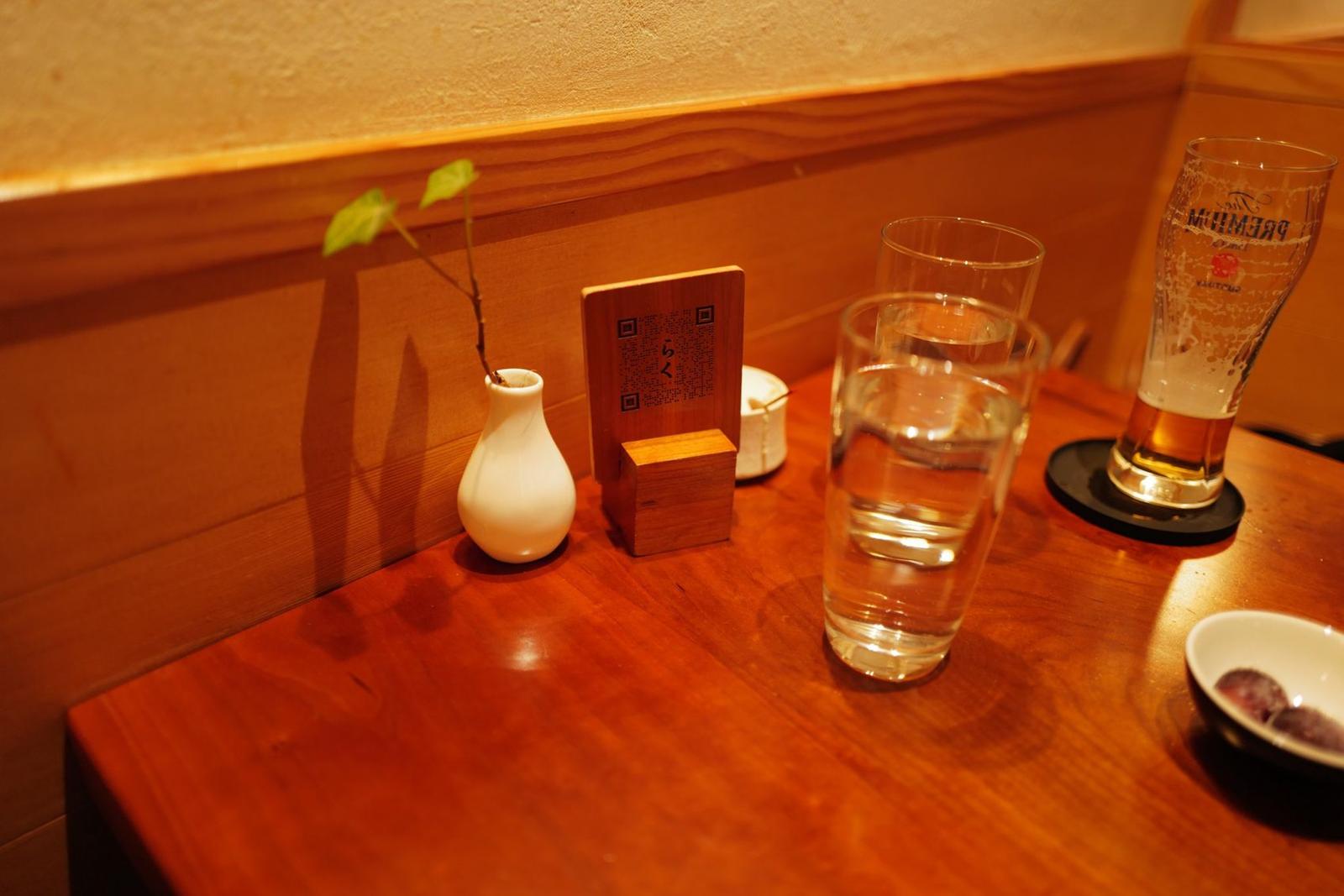
The interior is done in light wood. Above the bar that wraps around the kitchen, wooden lattice shelves run up to the ceiling, and cooks boil noodles and fry tempura beneath them. The walls are decorated with shoji-style lattice panels and soft sconce lighting. With a mix of bar seats and four-person tables, the room draws both solo diners stopping in for a quick bowl and groups sharing drinks.

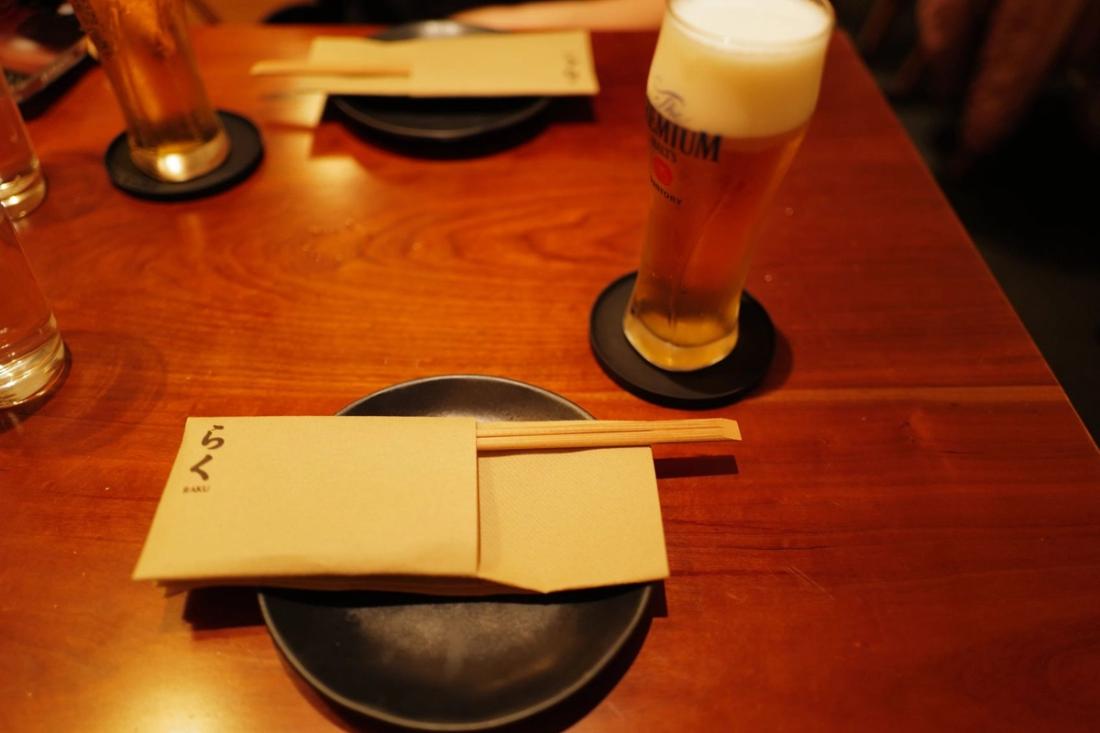
Starting with fried food and beer
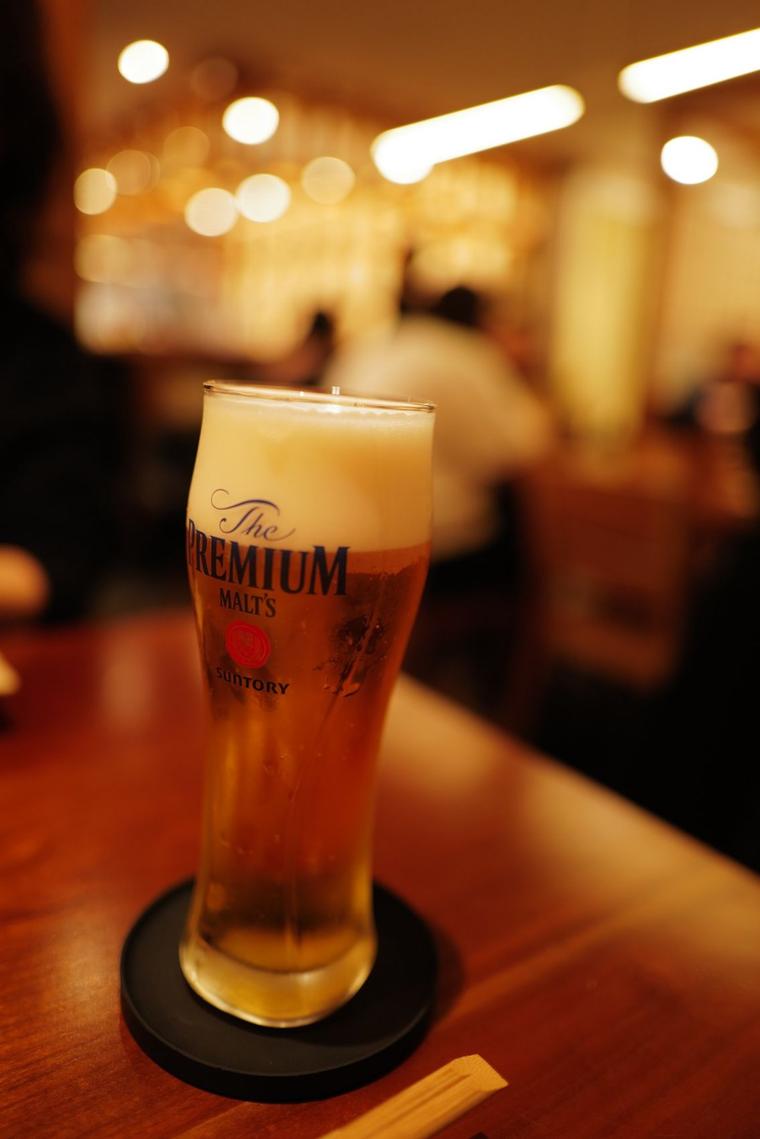
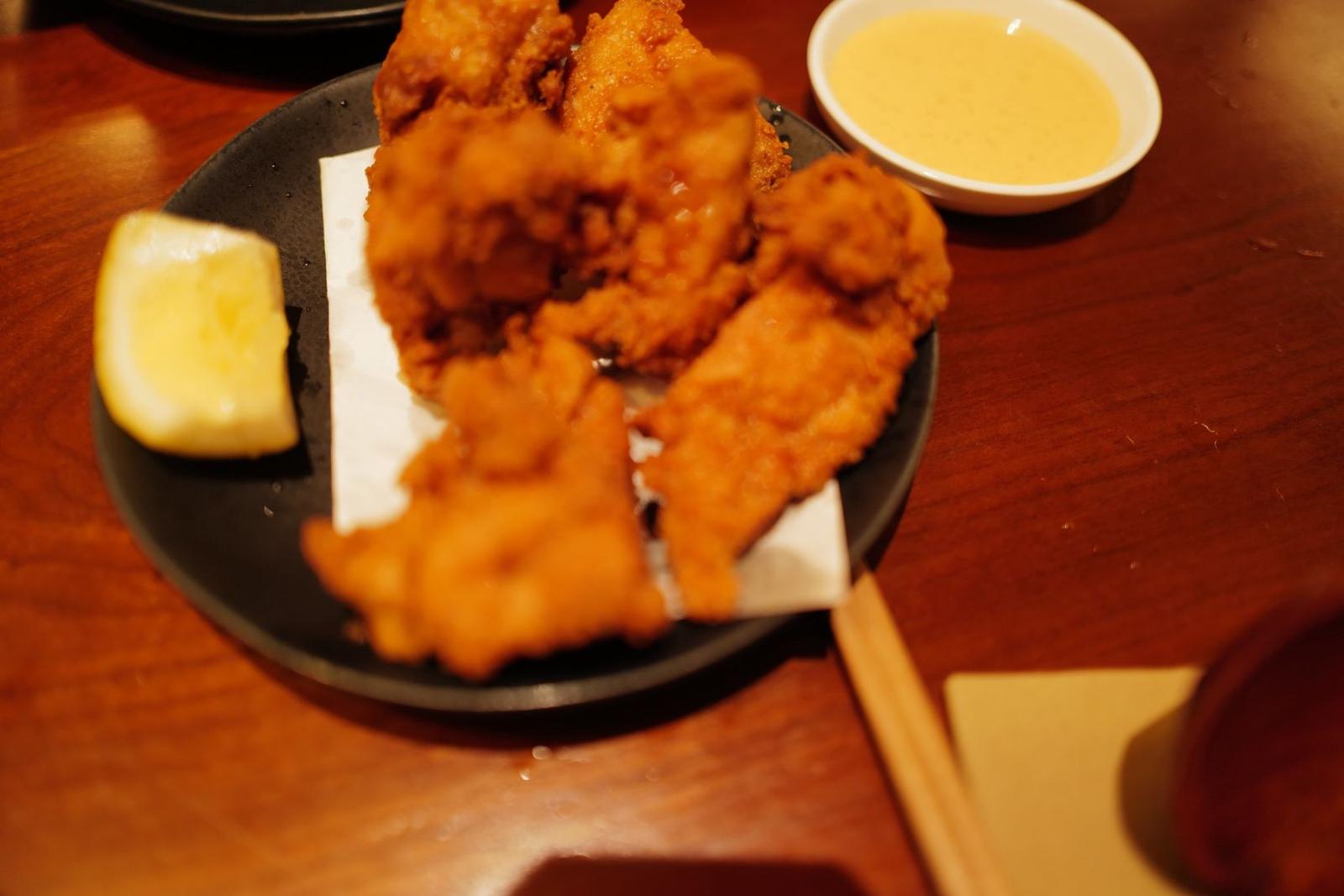
Many tables order beer and small plates while waiting for their udon. The draft beer is Suntory The Premium Malt's ($13). Among the appetizers is tatsutaage, fried chicken marinated in soy sauce (6 pieces for $13, 10 pieces for $21), served with lemon and sauce. The menu lists nearly 20 Japanese-style starters in all, including agedashi tofu, gyoza, chawanmushi and wagyu tataki.
Served cold or hot
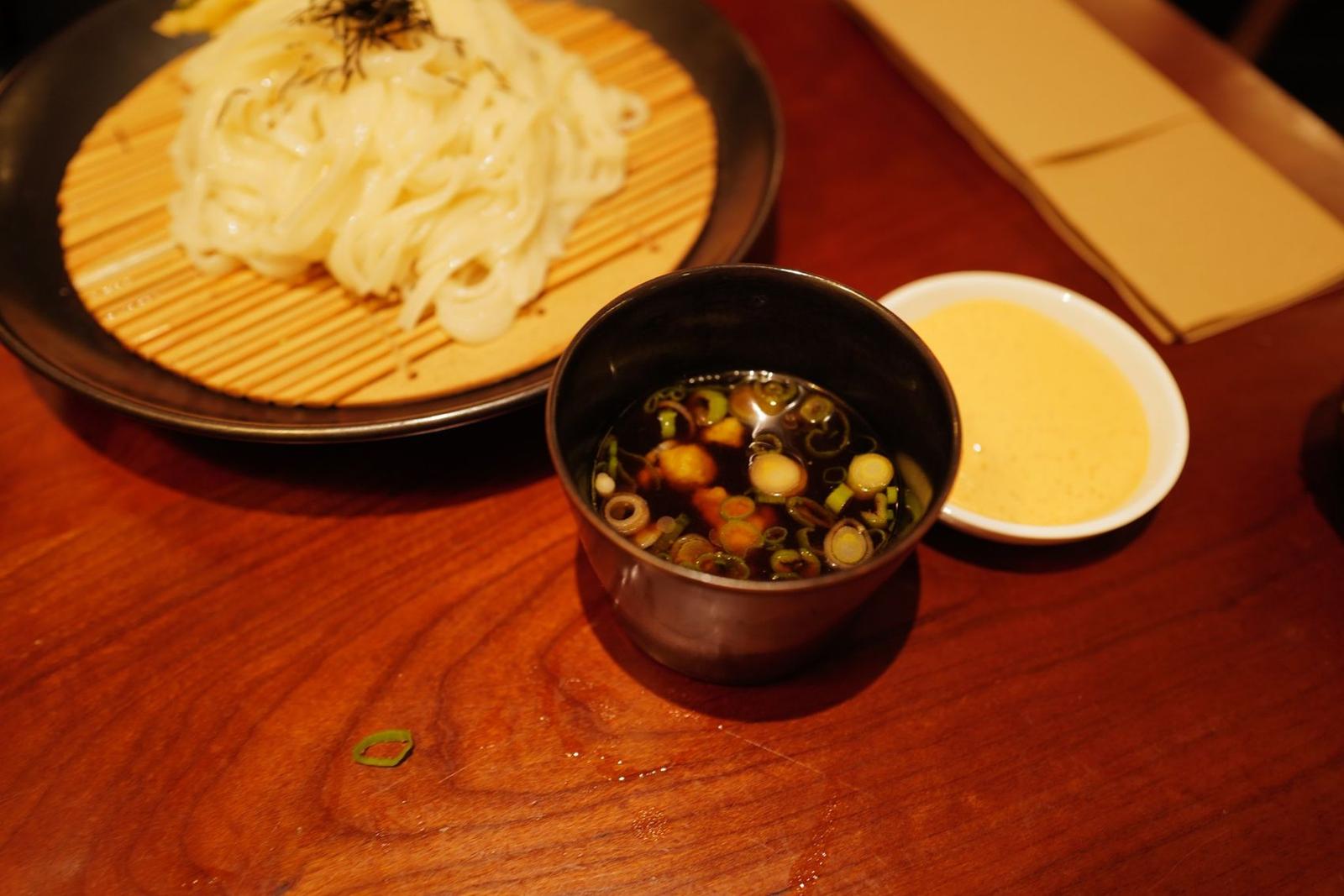
The udon comes either cold or hot. The basic cold dish is the zaru ($15): noodles rinsed in cold water to keep them chewy, served on a bamboo mat with a soy-based tsuyu dipping sauce to which you add scallions. It comes with shiso leaf tempura, and you can add shrimp tempura (2 pieces, $8) or vegetable kakiage ($7). Raku says it serves the tempura on a separate plate so it stays crisp until it reaches the table.

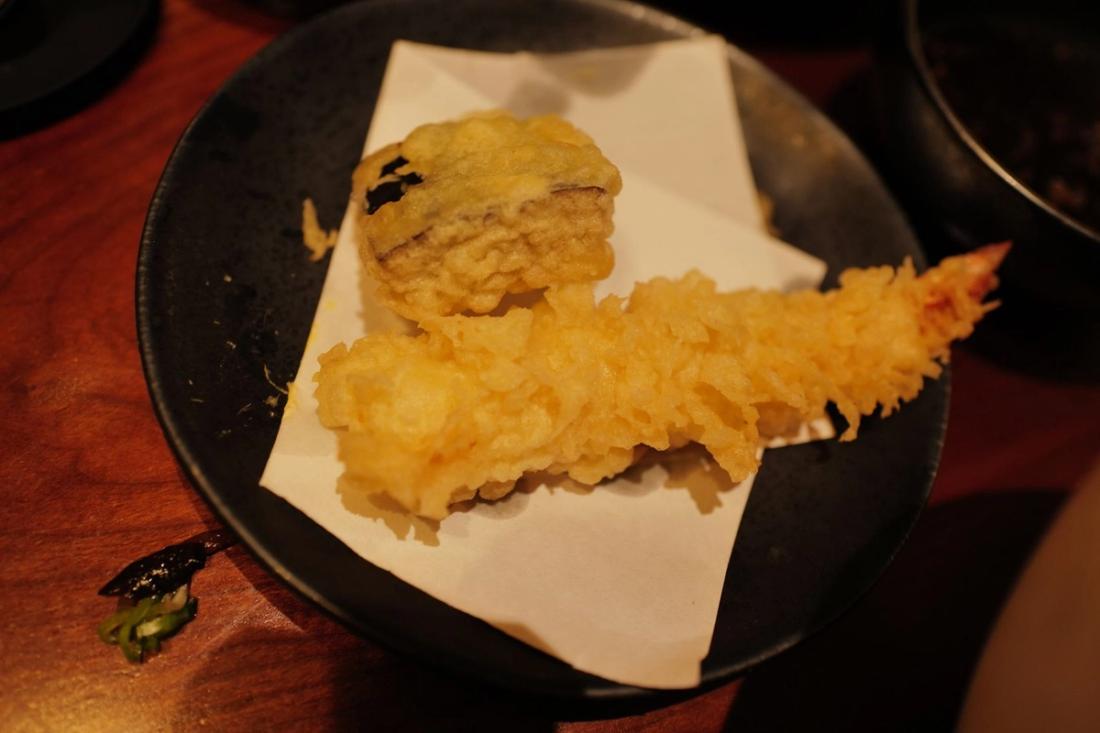
The hot udon centers on Chef Ishizuka's dashi broth. The most basic is the kitsune ($15), topped with sweetly simmered fried tofu. The menu runs to nearly 20 bowls, including the niku ($28) with beef short rib, honeycomb tripe and tendon; the ebiten ($19) with shrimp tempura; the kamonan ($24) with duck breast; the hamaguri ($32) with New Jersey clams; the nabeyaki ($31), served bubbling in the pot; and the wagyu ($48), topped with A5 wagyu from Miyazaki, Japan.

On Google Maps, the restaurant has more than 1,900 reviews and a 4.5 rating out of 5. Users put the price at $20 to $60 per person. Reservations are taken through DoorDash.
At a glance
Prices and hours are as listed on Raku's website in November 2026. Raku website: rakunyc.com