
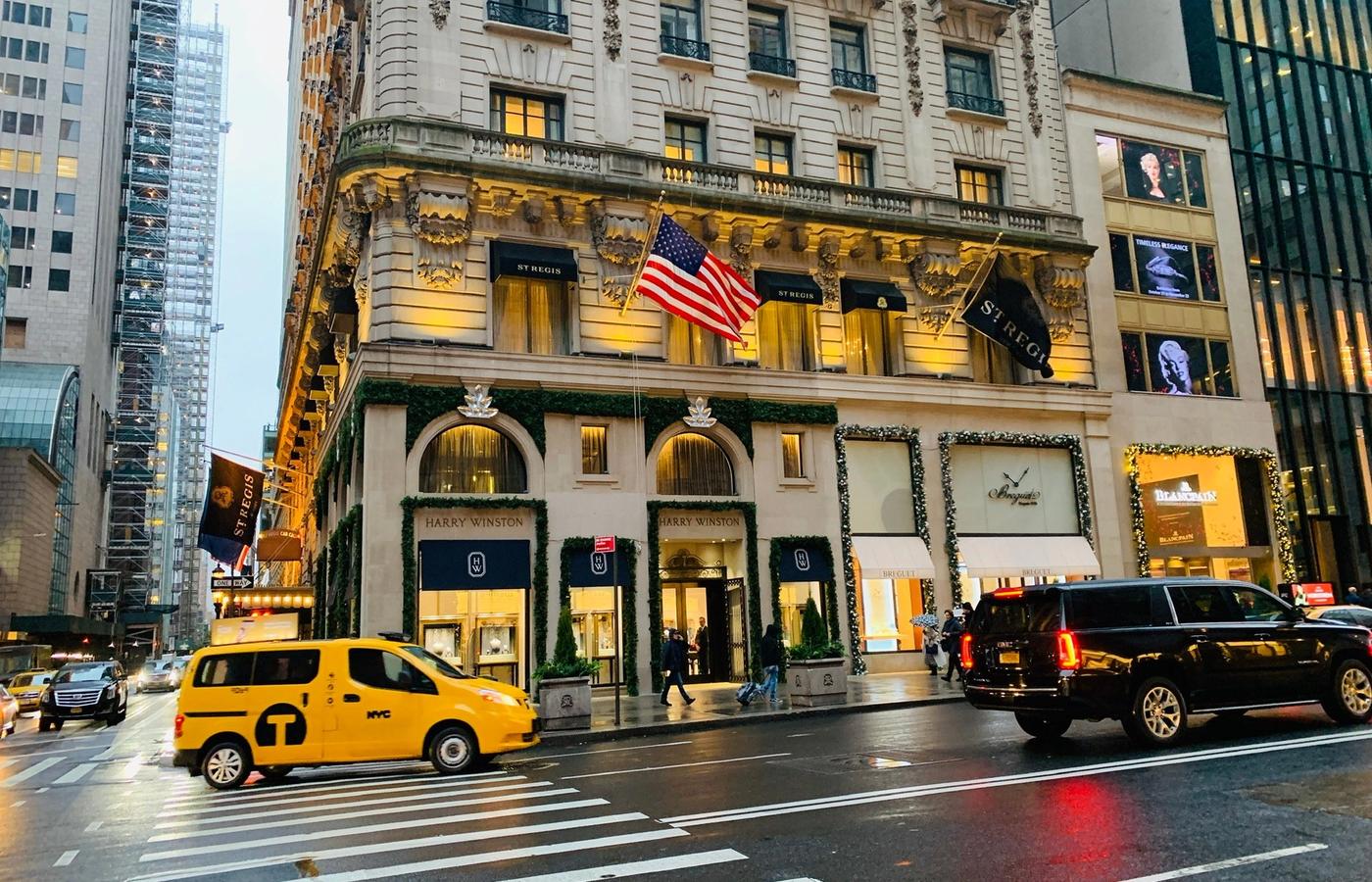
When November arrives and the chill of late autumn sweeps across the Hudson River and through the canyons of skyscrapers, Fifth Avenue becomes one of the world's most dazzling open-air theaters. Running straight through the heart of Midtown from 59th Street at the southern edge of Central Park, the avenue is far more than a boutique shopping strip
When November arrives and the chill of late autumn sweeps across the Hudson River and through the canyons of skyscrapers, Fifth Avenue becomes one of the world's most dazzling open-air theaters. Running straight through the heart of Midtown from 59th Street at the southern edge of Central Park, the avenue is far more than a boutique shopping strip. Behind its gleaming glass windows lie layer upon layer of pop-culture nostalgia from a century of movies, and the myth of capitalist elegance that America has polished over the years.
In November, as the excitement of the Thanksgiving parade merges with the start of the holiday season, Fifth Avenue is where movie fantasy walks into the everyday lives of New Yorkers and visitors. We took a close look at the avenue's cultural depth and visual character, from storied department stores such as Bergdorf Goodman and Saks Fifth Avenue to a toy store that serves as an oasis of childhood and Rockefeller Center, a symbol of the city's resilience.
The Big-City Spectacle of Fifth Avenue in November
November is when New York's seasons change most dramatically. As cold air settles over the bare branches of Central Park, tens of thousands of amber lights and garlands along Fifth Avenue are the first to bring warmth back to the street. November here is more than a month on the calendar. It is the opening act of a citywide celebration that closes out the year.
Walking Fifth Avenue means experiencing one of the most finely tuned sensory spectacles that American urban civilization and capitalism have produced. Tourists from around the world mingle with New Yorkers in a hurry, forming waves of people. The smell of roasted chestnuts and warm cinnamon drifts through the cold air, and the rich scent of perfume escapes from high-end boutiques. Together they give Fifth Avenue a seasonal atmosphere found nowhere else. Over the years, this enchanting street has been an endless source of inspiration for countless film directors and writers.
Silver-Screen Romance and Elegant Wealth: From Tiffany to Bergdorf Goodman (57th to 59th Streets)
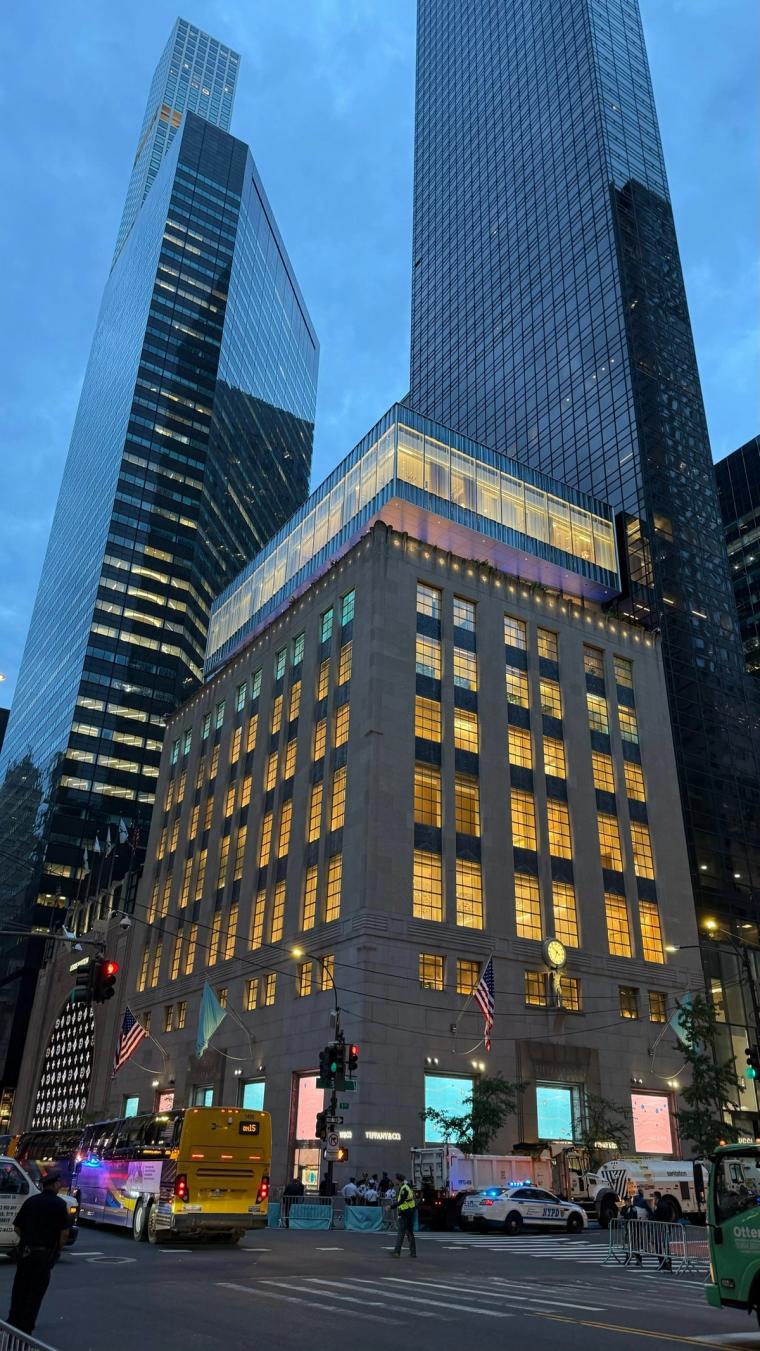
The opening scene of "Breakfast at Tiffany's" (1961) captures the romantic symbolism of Fifth Avenue in a single shot. Early in the morning, Audrey Hepburn, playing Holly Golightly, steps out of a yellow New York taxi onto a deserted Fifth Avenue. Dressed in a black Givenchy dress, she eats a croissant and drinks coffee from a paper bag while gazing into the display windows of Tiffany & Co. (The Landmark) at the 57th Street intersection. For her, Tiffany was not just a jewelry store but a refuge of perfect calm, where the weariness and anxiety of life vanished in an instant. Even today, gazing at Tiffany's blue-hued windows in the cold November morning air remains a classic ritual, a quiet way for city dwellers to reaffirm the romance of life.
Heading north past Tiffany to 58th Street, you reach Bergdorf Goodman, the department store that holds the throne of Fifth Avenue luxury shopping. It stands on the site of a late-19th-century mansion built by the Vanderbilt family, the American railroad and finance dynasty, and it transforms the aristocratic legacy of the Gilded Age into contemporary fashion. In many works about New York style and desire, including the film "Carol" and the TV series "Sex and the City," Bergdorf Goodman is portrayed as the home of high-society taste.
In mid-November in particular, Bergdorf Goodman turns its street-level windows into a handmade museum created by some of the world's top artists. The intricate holiday window displays, crafted over several months, show how a commercial space can become an art gallery for the public. The sight of many New Yorkers and visitors lining up in front of the windows to admire the sculptures, figures and lighting inside is unique to Fifth Avenue in November.
Childhood Wonder and Human Warmth: From The Plaza Hotel to FAO Schwarz at Rockefeller Center
The Plaza Hotel, at the northern end of Fifth Avenue where 59th Street meets the entrance to Central Park, is the palace-like setting in "Home Alone 2: Lost in New York" (1992), where the protagonist Kevin, separated from his family, enjoys the holiday glamour to the fullest. With its French Renaissance-style exterior and lavish Louis XV-style interiors, the hotel embodies the most dramatic fantasy and hospitality that New York has to offer.
Across from The Plaza Hotel, at 59th Street, is also the historic site where the legendary toy store FAO Schwarz stood from 1986 to 2015. The famous scene in the Tom Hanks film "Big" (1988), in which the hero plays a giant floor piano with his feet, was shot at this former 59th Street store. FAO Schwarz closed briefly in 2015 as rents soared, then moved in November 2018 to 30 Rockefeller Plaza in the heart of Midtown.
FAO Schwarz, which now welcomes customers in the middle of Rockefeller Center near 49th Street, has kept its signature giant foot piano and toy soldiers and remains the capital of childhood wonder at year's end. In the middle of a hard-edged capitalist city, it is a friendly oasis that gives adults a taste of their lost innocence and children boundless imagination.
Rockefeller Center, in the middle of Fifth Avenue, is a monumental landmark of American resilience and public hope. John D. Rockefeller Jr. built the complex during the Great Depression of the 1930s to create jobs and rebuild the city, and it reflects New York's refusal to be defeated by hardship. In late November, a Norway spruce Christmas tree more than 20 meters tall is raised in the center of the plaza, and the outdoor ice rink opens beneath the Art Deco statue of Prometheus. The laughter of skaters gliding under the glittering tree lights in the cold air is a ritual of emotional warmth and solidarity that the city offers.
A Symphony of Light and the Aesthetics of Capitalism: Saks Fifth Avenue and Luxury Boutiques (49th to 50th Streets)
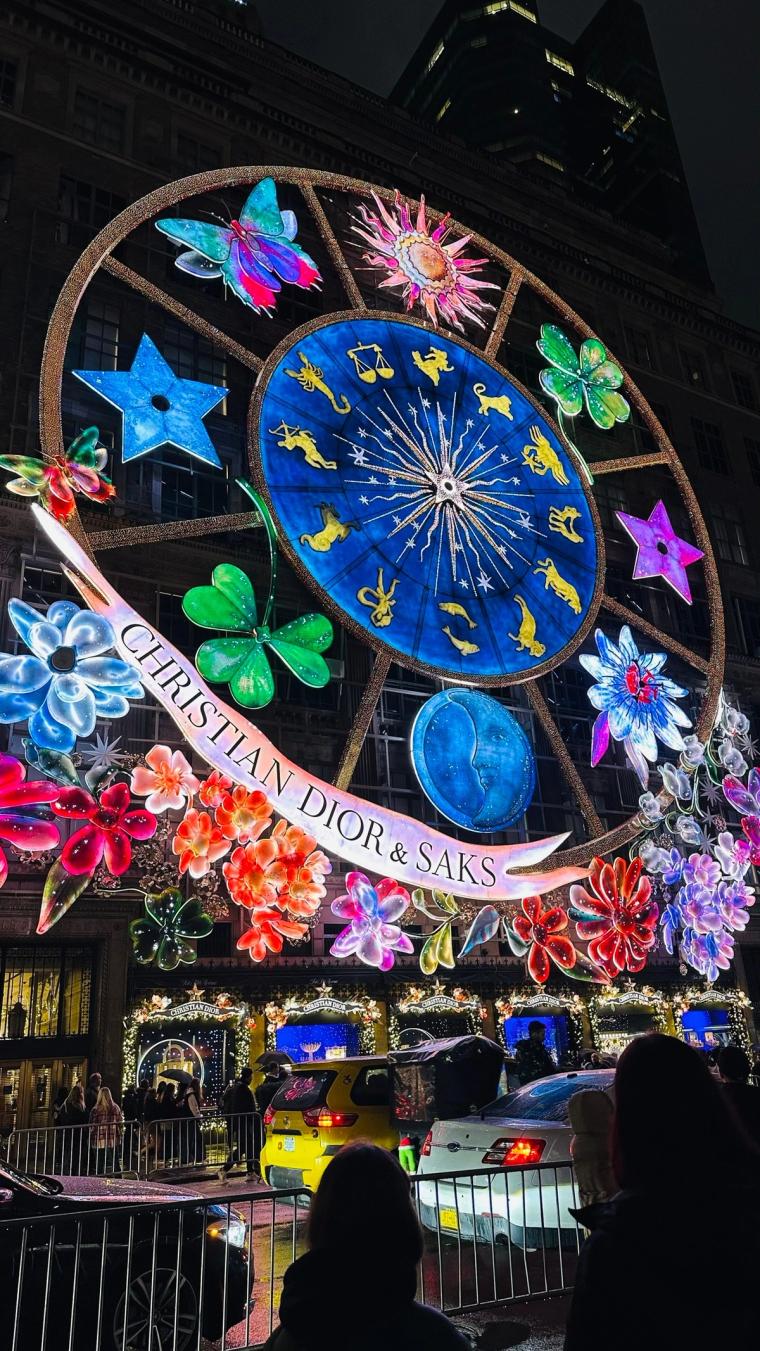
Saks Fifth Avenue, directly across from Rockefeller Center at 50th Street, stages a grand symphony of light that sets the whole city shimmering on November nights. The "Holiday Light Show," produced with tens of thousands of LED lights and speakers installed across the store's facade, is the highlight of a November visit to Fifth Avenue. As the lights flash across the entire exterior in time with majestic classical music and holiday carols, thousands of people packing the sidewalk share the same visual thrill and emotion, regardless of religion, race or social standing.
Fifth Avenue is a prime shopping district lined with the world's top luxury boutiques, such as Chanel, Louis Vuitton and Gucci. Yet it lowers the threshold of that glamour, offering cultural richness free of charge to everyone strolling the street. On this singular avenue, American capitalism has joined with compelling storytelling, popular culture and cinematic rhetoric to create a distinctive aesthetic value. Its shops and department stores become subjects of films and then come to life again in the November cityscape. Every winter, Fifth Avenue serves as the most American of pilgrimage sites, where people from around the world rediscover the romance and vitality of life.
[Key Fifth Avenue Landmarks in November]
Tiffany & Co. flagship (Tiffany & Co. - The Landmark): 727 5th Ave, New York, NY 10022 (at 57th Street; symbol of the film "Breakfast at Tiffany's")
Bergdorf Goodman: 754 5th Ave, New York, NY 10019 (at 58th Street; legacy of the Vanderbilt mansion and handmade holiday windows)
The Plaza Hotel: 768 5th Ave, New York, NY 10019 (at 59th Street; setting of "Home Alone 2" and a French Renaissance landmark)
FAO Schwarz: 30 Rockefeller Plaza, New York, NY 10111 (inside Rockefeller Center near 49th Street; keeps the giant foot piano from the film "Big")
Rockefeller Center: 45 Rockefeller Plaza, New York, NY 10111 (49th to 50th Streets; symbol of recovery from the Great Depression; giant Christmas tree and outdoor ice rink in November)
Saks Fifth Avenue: 611 5th Ave, New York, NY 10022 (at 50th Street; facade light show and shop windows, opening every year in mid-November)