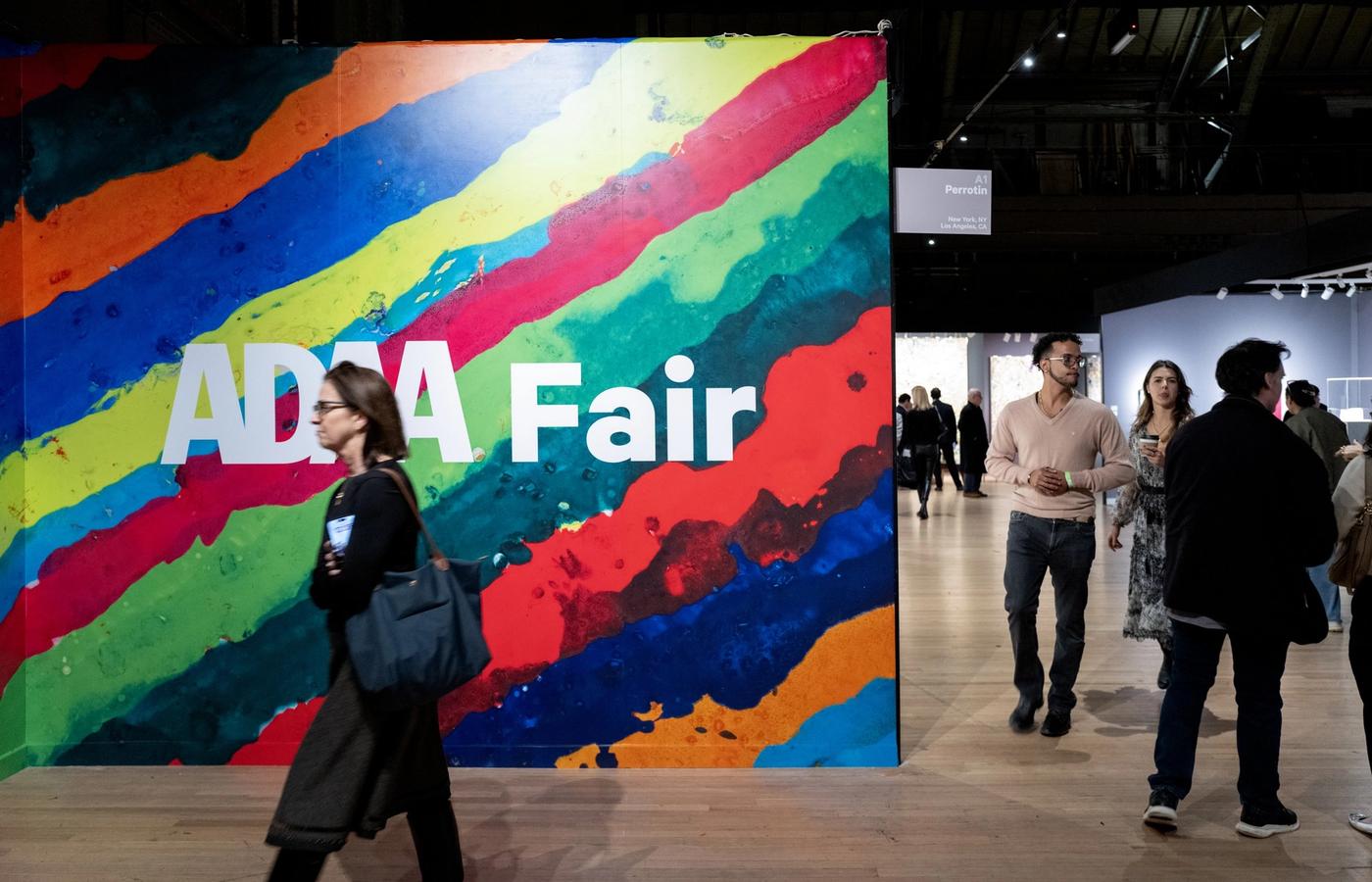
After a year off, the Art Dealers Association of America (ADAA) has brought its art fair back to the Park Avenue Armory in Manhattan under a new name, the ADAA Fair. The number of participating galleries has dropped from 75 in 2024 to 63, and 39 of them are based in New York. As galleries report sales since the opening, Charles Moffett's booth, C10, is showing two square paintings by Julia Jo, a painter born in Seoul and based in Brooklyn. An Upper East Side gallery walk is also scheduled for Saturday, Nov. 14, and the fair continues through Monday, Nov. 16.
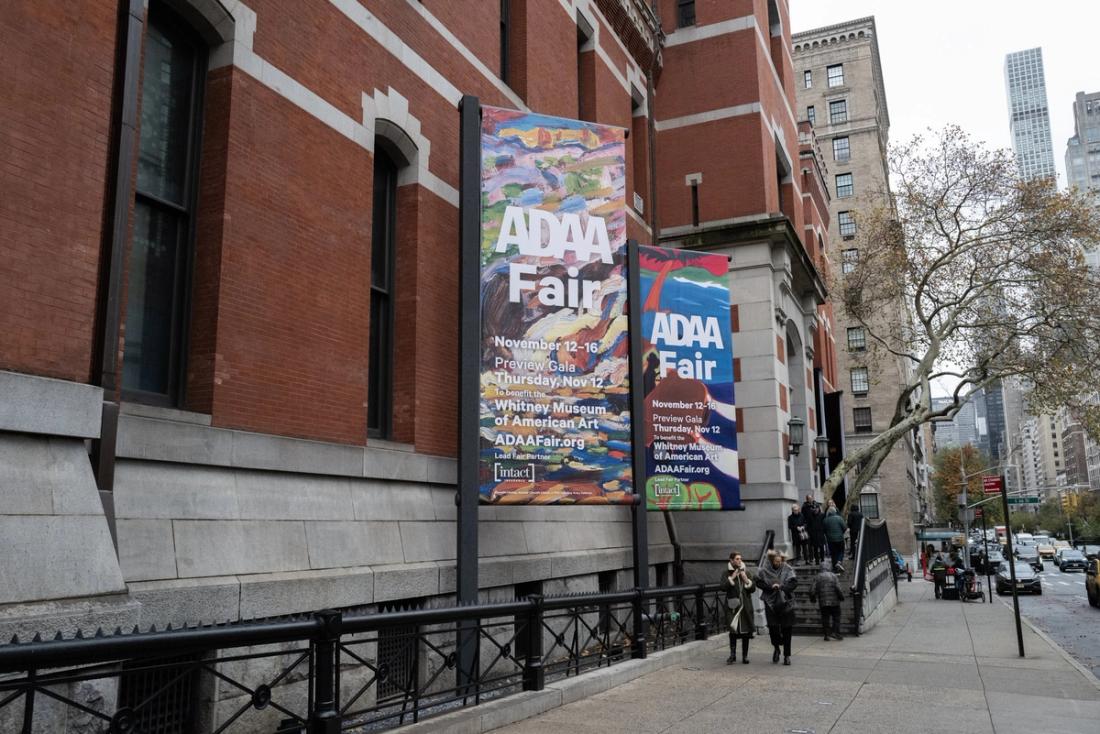
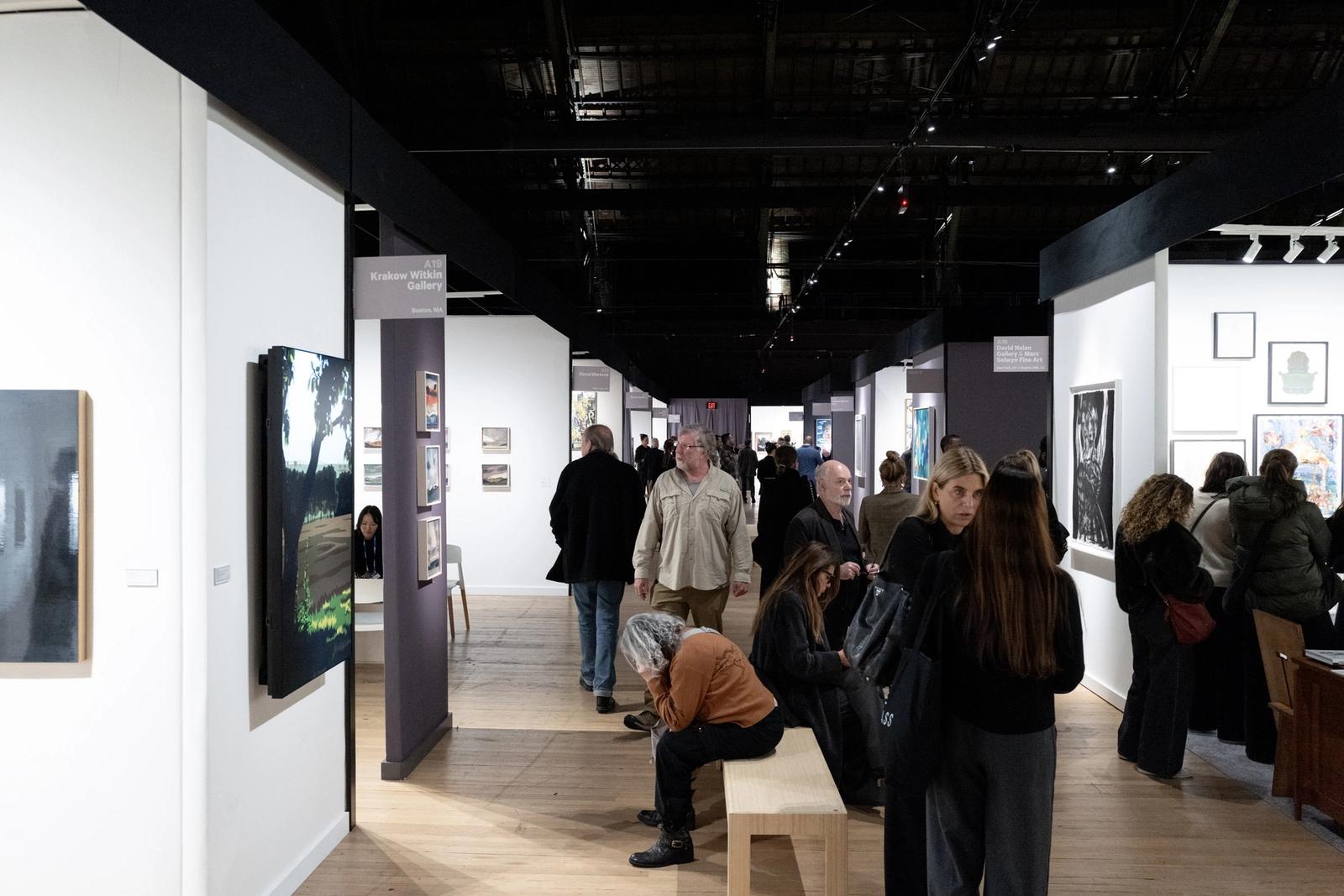
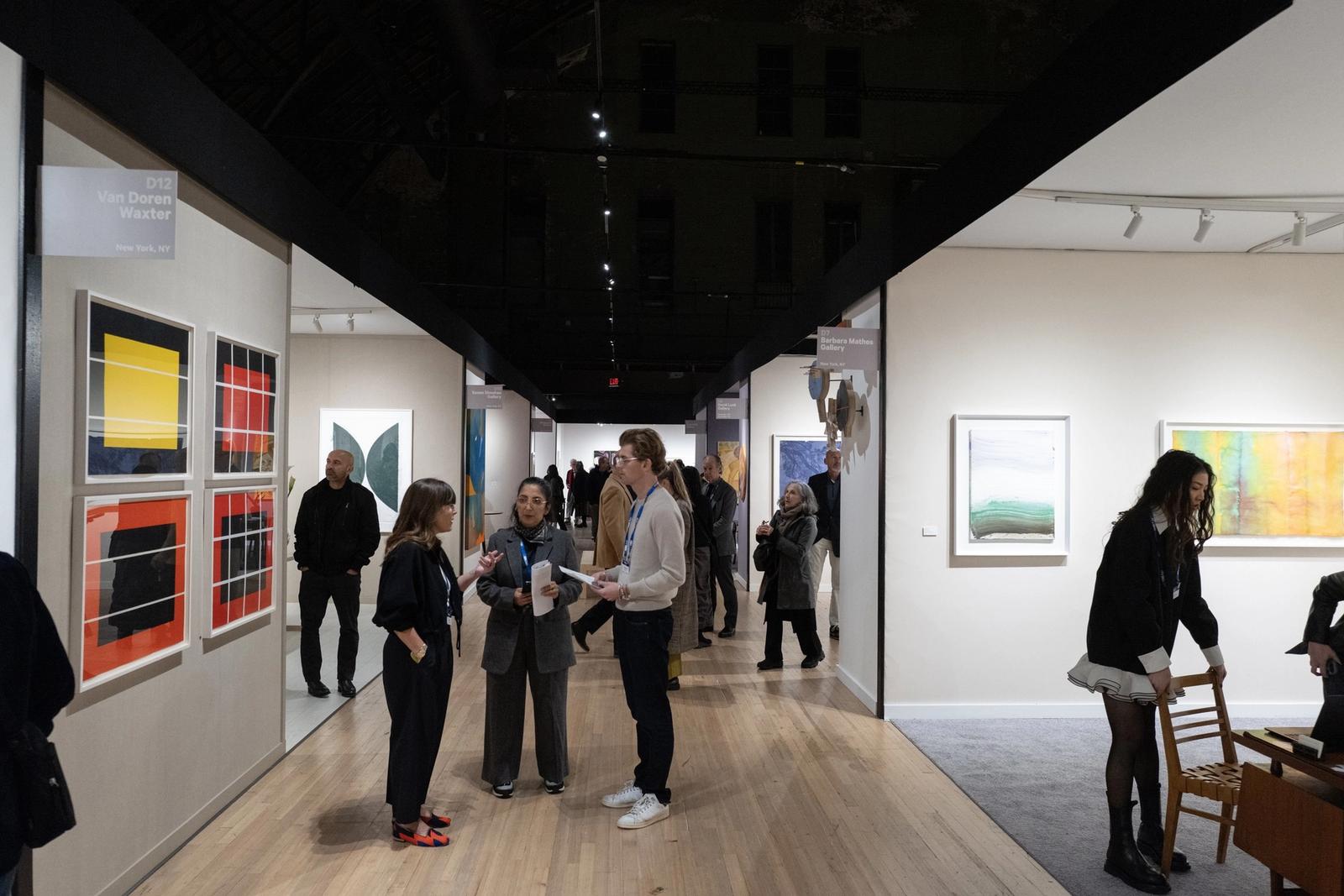
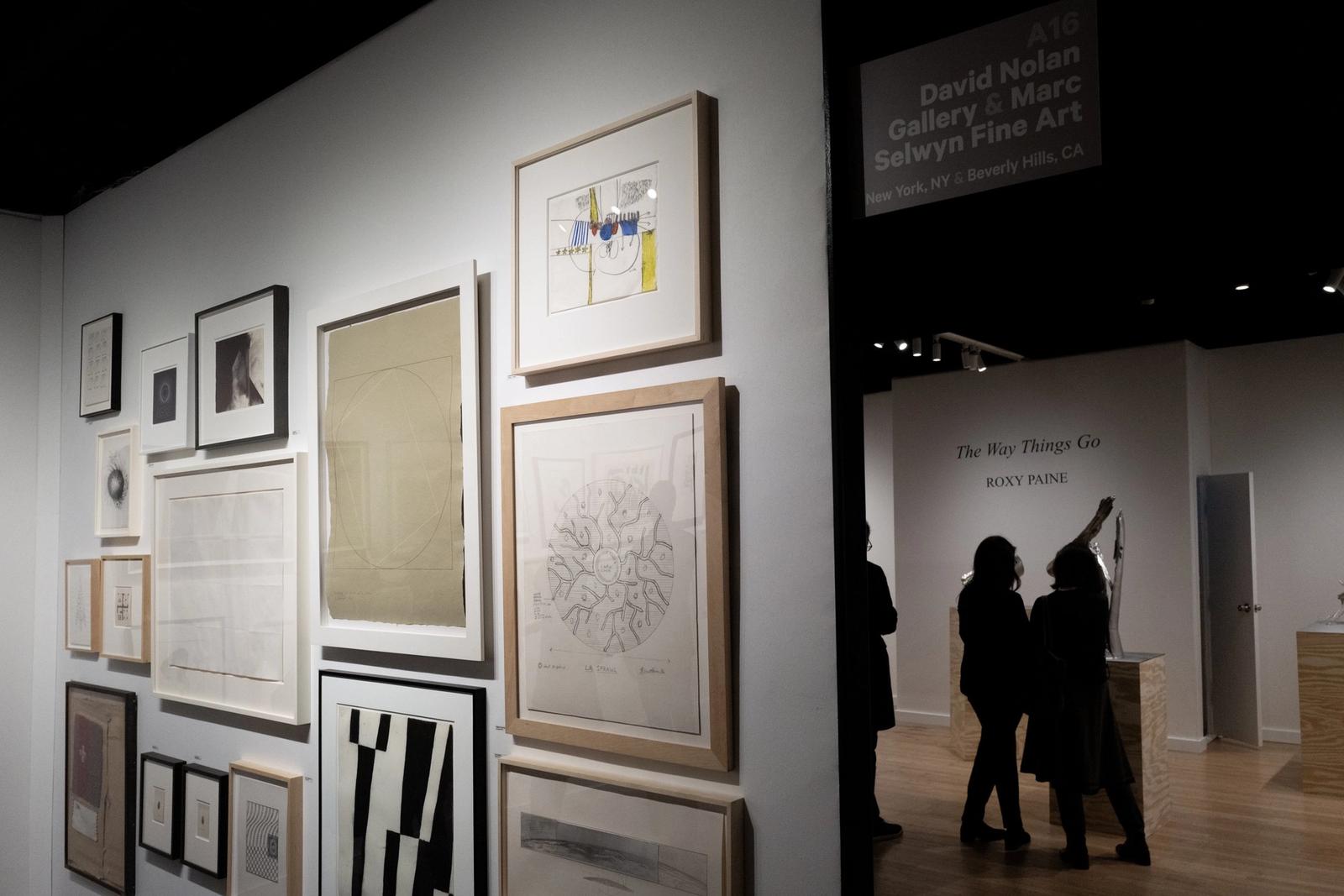
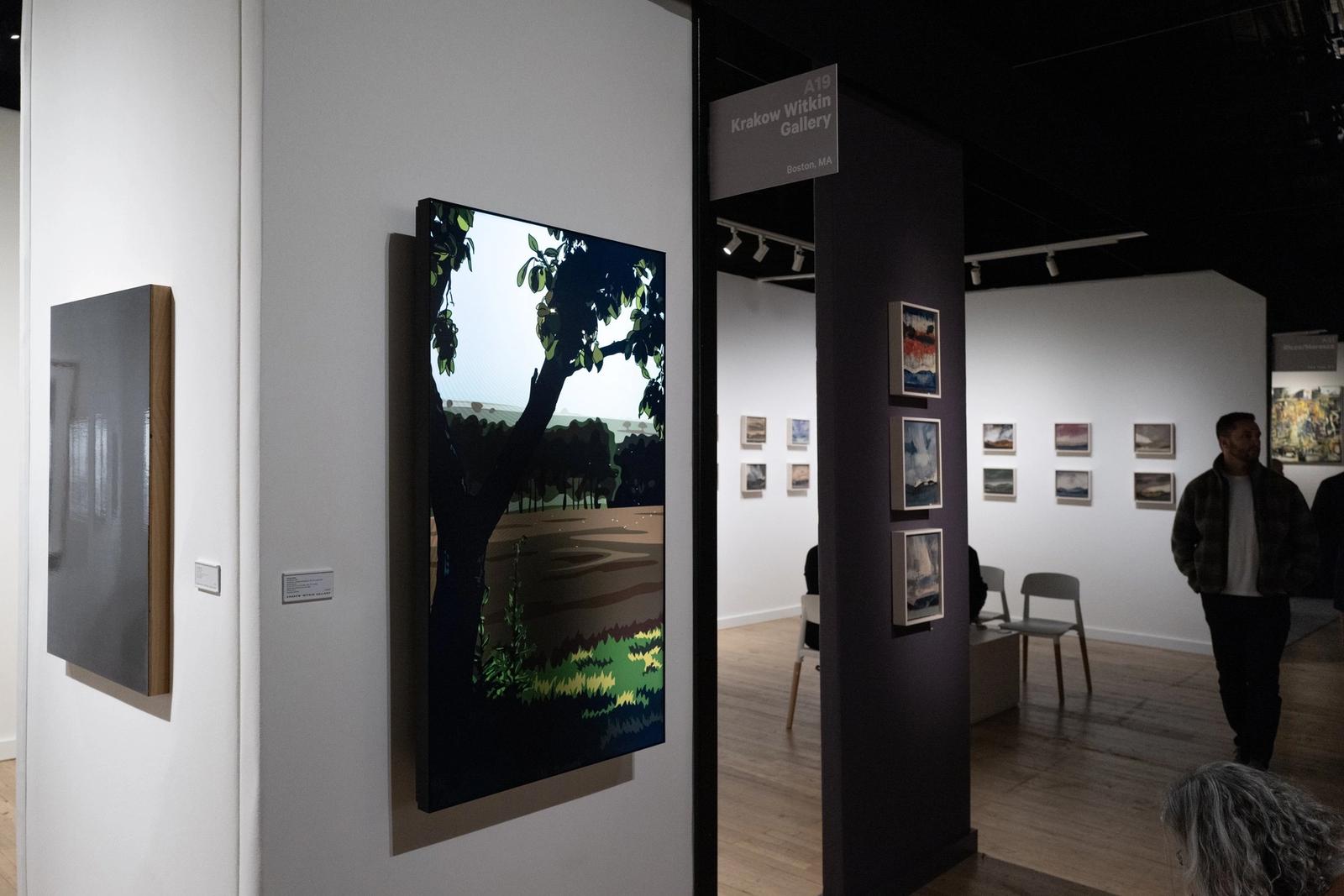
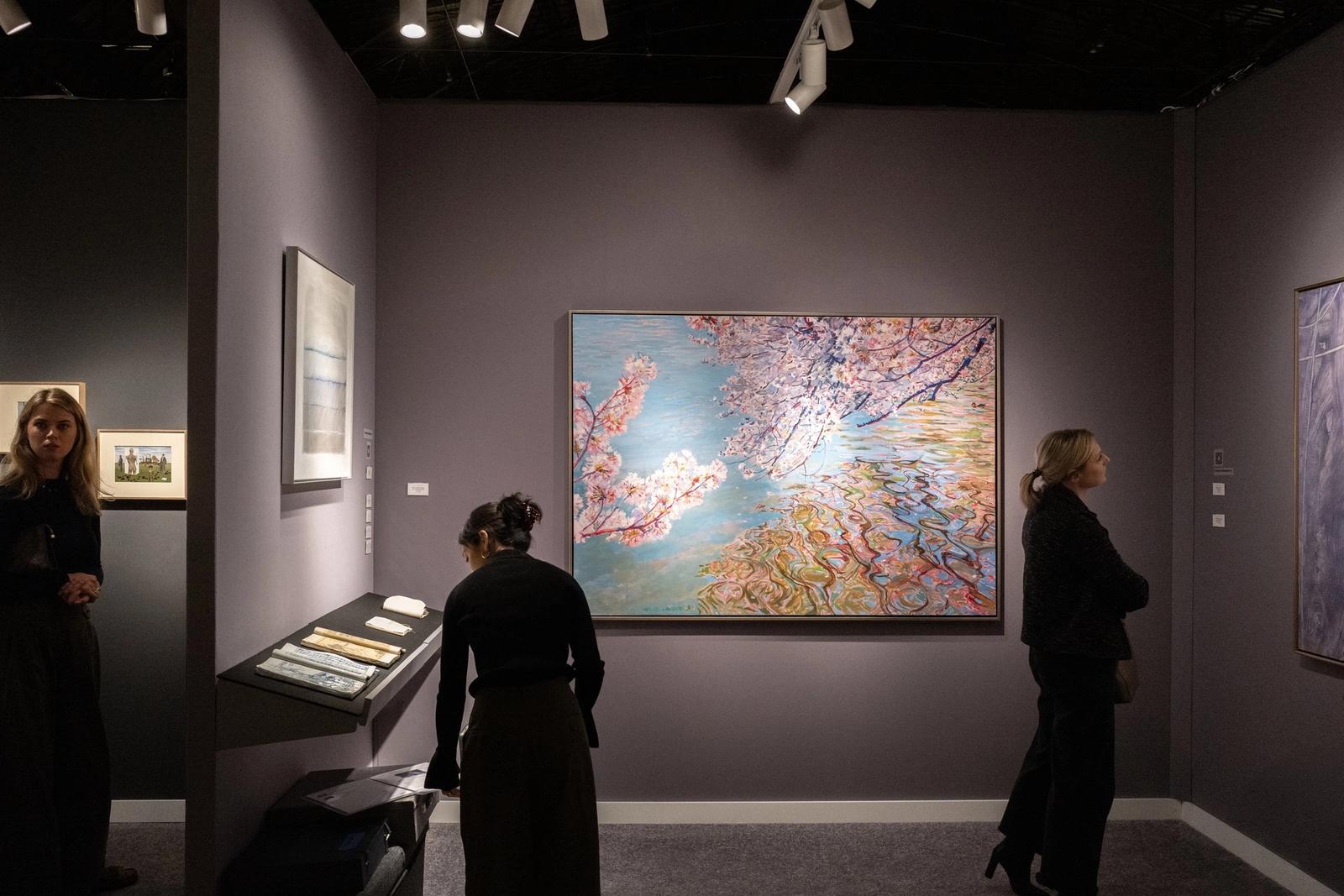
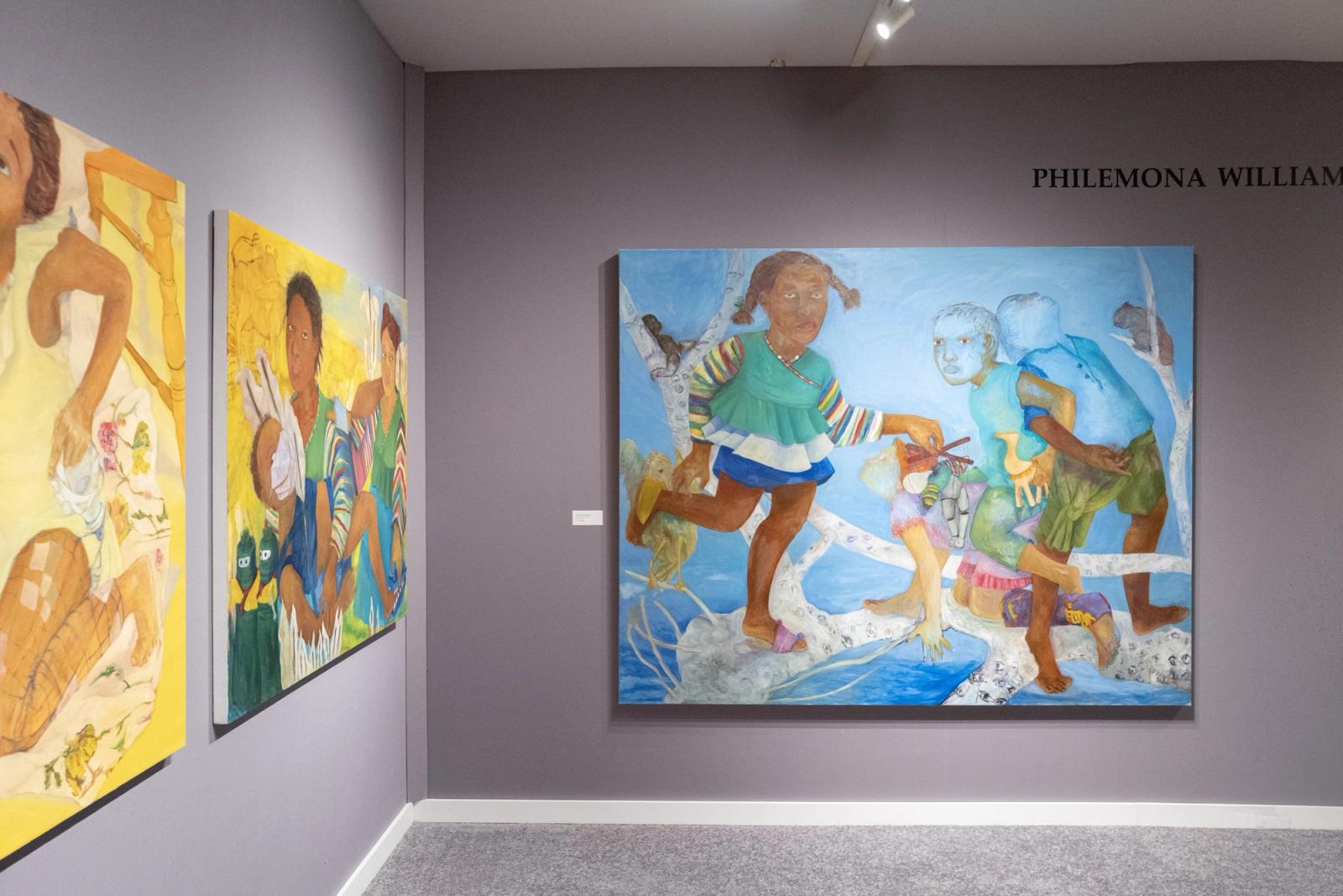
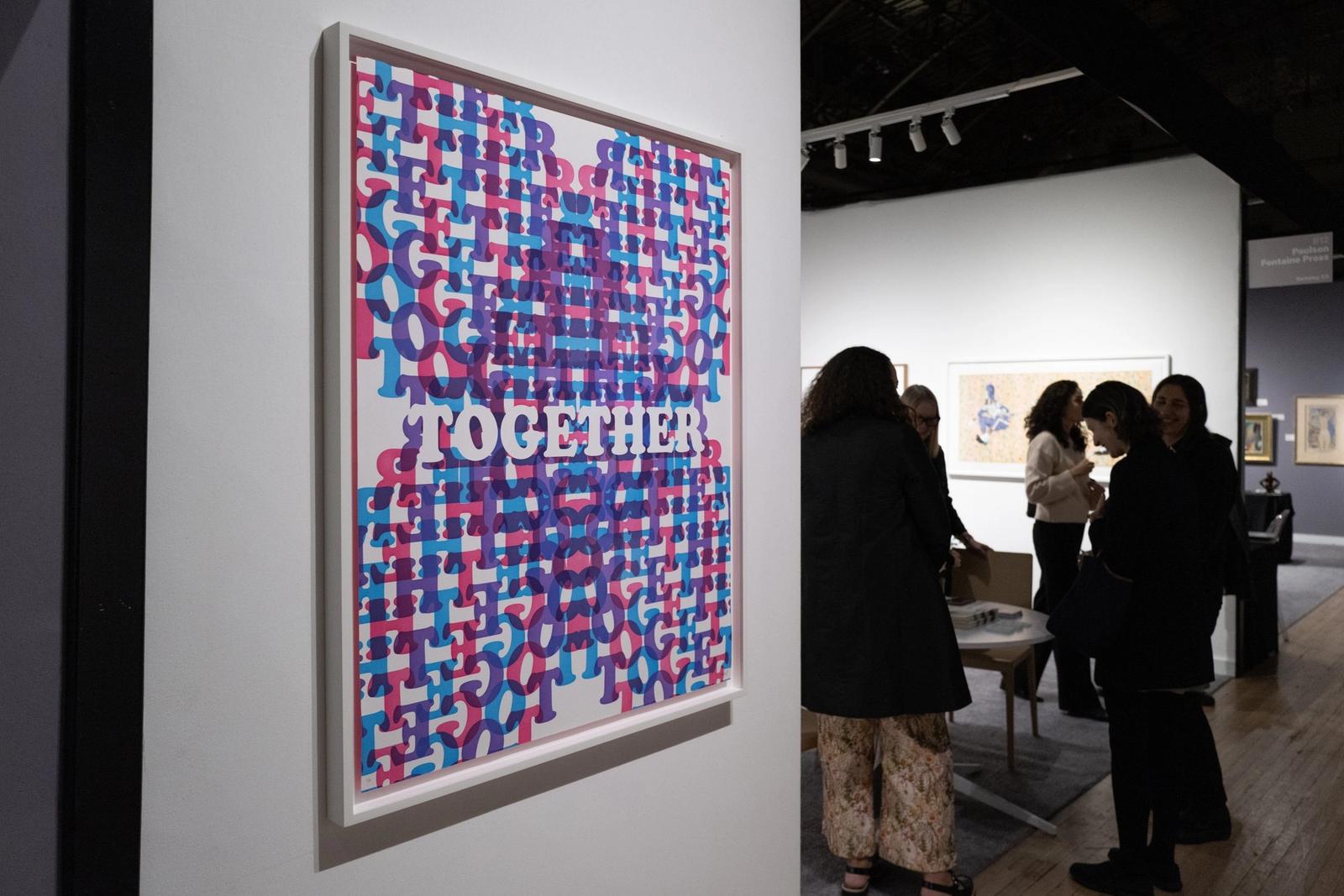
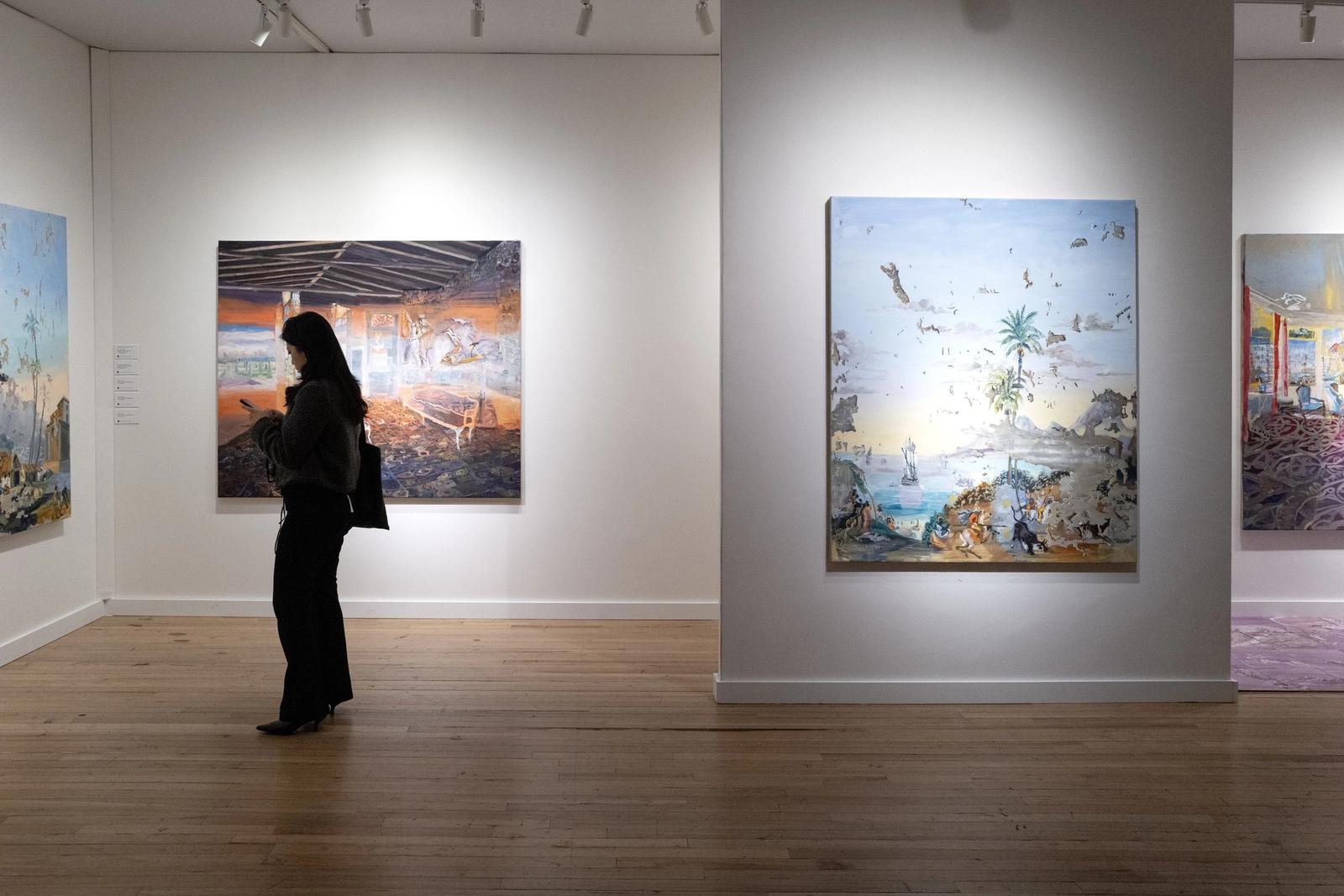
Colorful banners hang on the red-brick facade of the Park Avenue Armory on Park Avenue on Manhattan's Upper East Side. They mark the ADAA Fair, the art fair of the Art Dealers Association of America (ADAA). The ADAA Art Show, which has run since 1989, sat out last year and has returned under a new name. A Whitney Museum benefit preview gala took place Thursday, Nov. 12, and general admission began Friday, Nov. 13. Visitors are still arriving on Saturday, Nov. 14. Sixty-three member galleries from across the country have set up booths. From prints and drawings by Picasso and Miró to paintings by young artists who are only now getting attention, the building holds a cross-section of more than a century of the American art market.
At a Glance
After a Year Off, the 'Art Show' Returns as the 'ADAA Fair'
The ADAA Art Show began in 1989 at the same venue and is one of the oldest art fairs in the United States. Only member galleries may take part. By tradition, galleries accepted after review by the association build "curated booths" focused on one or two artists. Last year, less than four months before opening, the association canceled the event, citing a "strategic pause." Back after a year, the fair now has a new name, the ADAA Fair, and a smaller roster of 63 galleries.
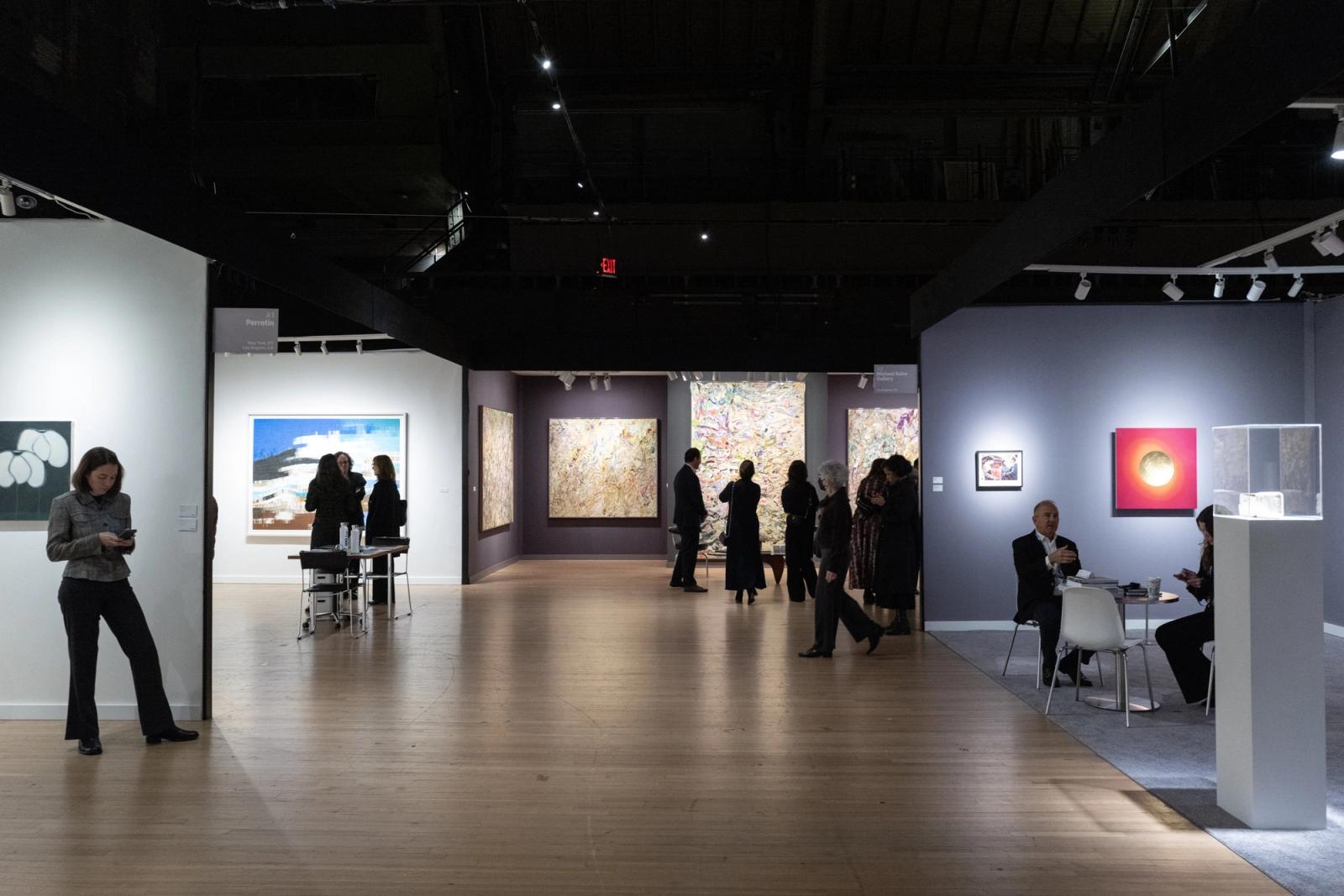
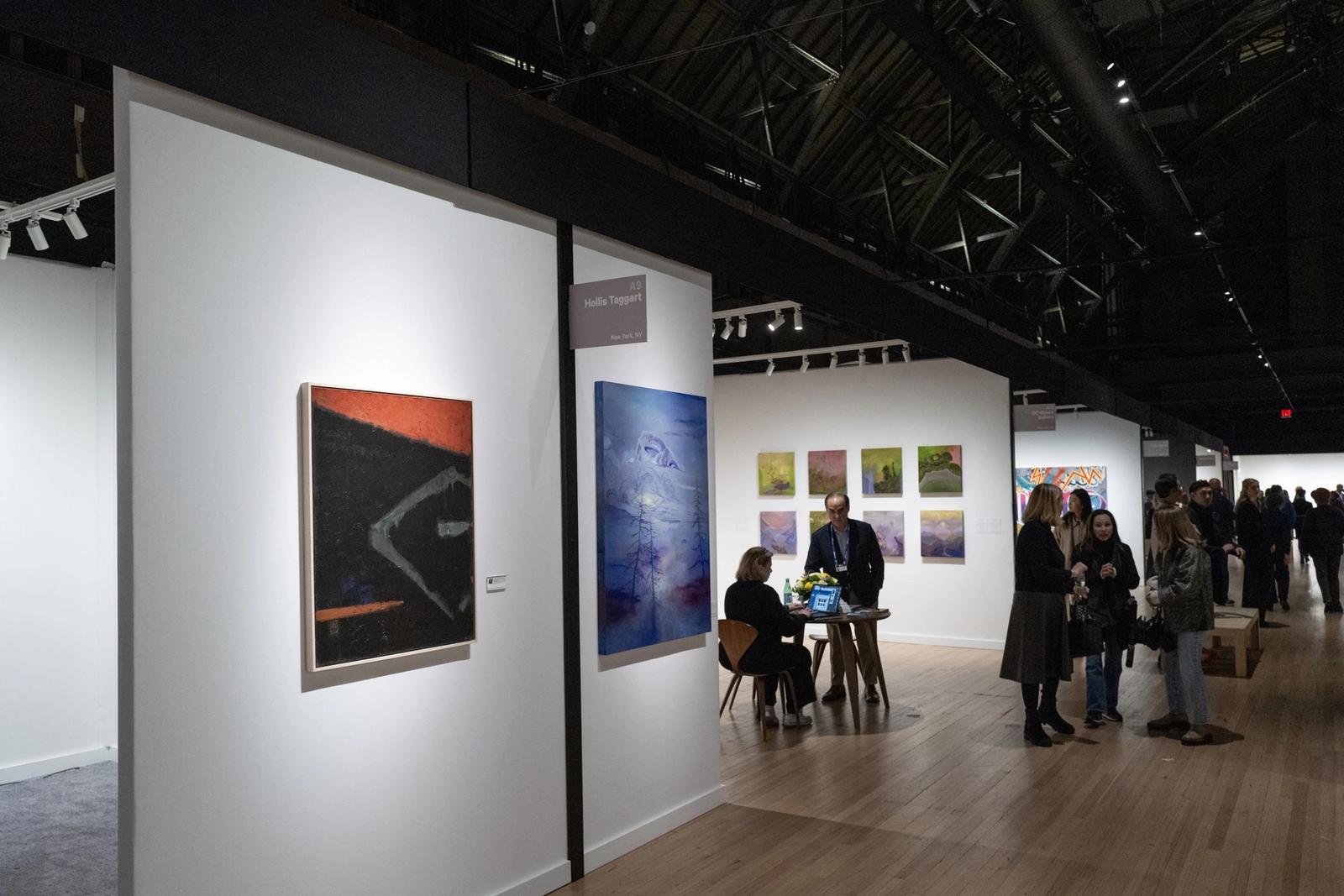
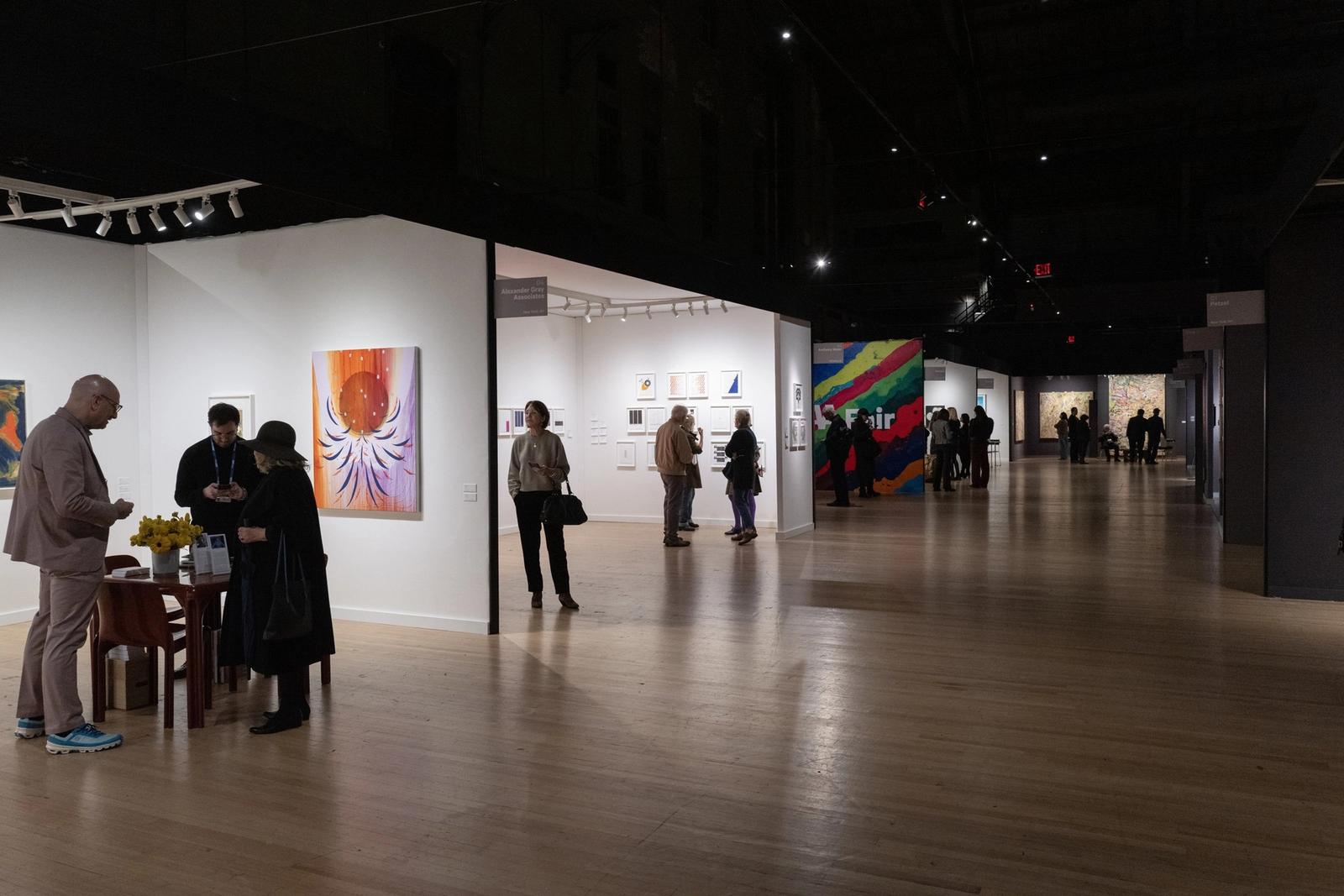
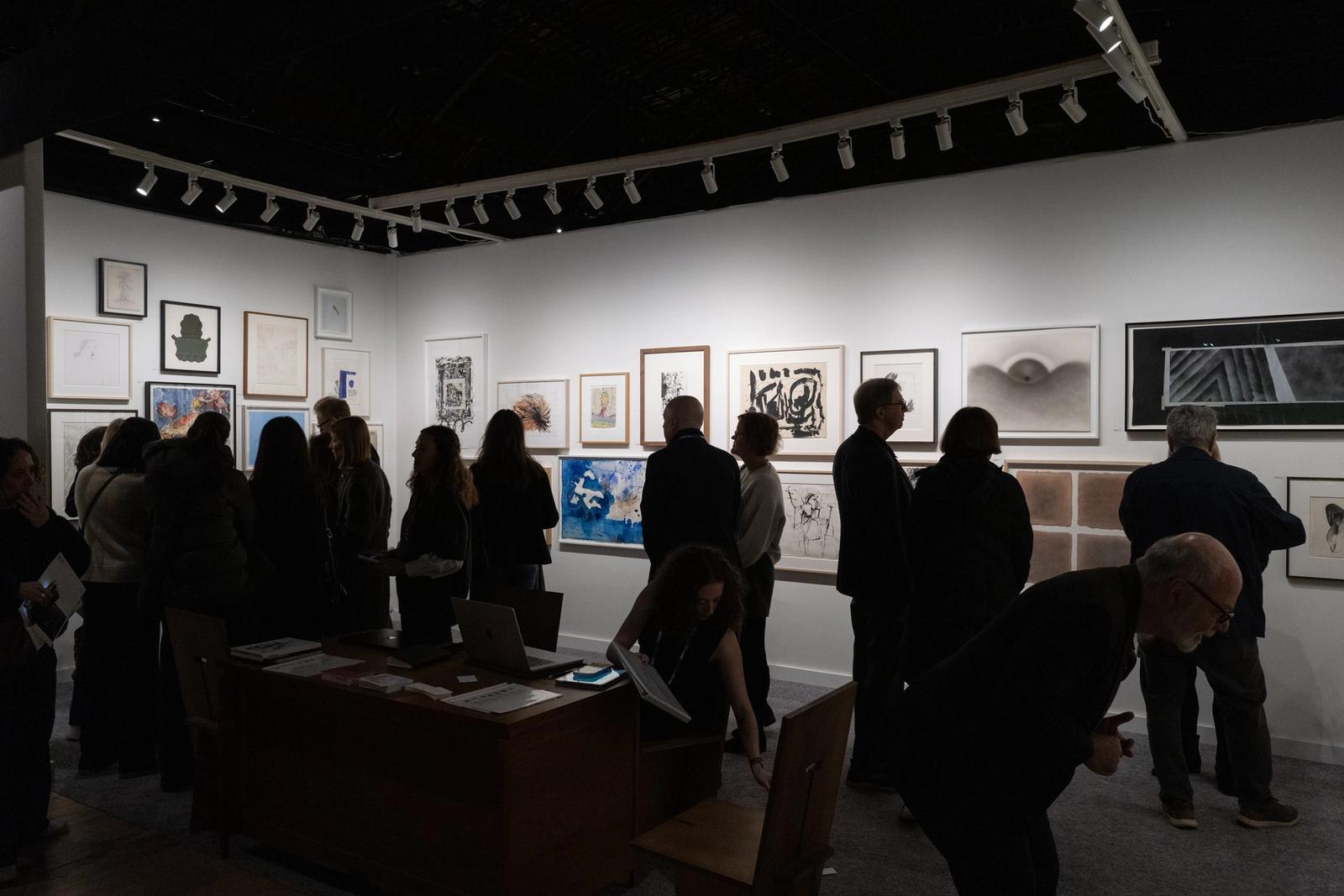
Kinsey Robb, the association's executive director, who is leading the event for the first time this year, told The Art Newspaper it was "a continuation and an evolution." She added, "It was a chance to take stock at a time when everyone is exhausted by too many art fairs." The smaller scale has opened up space around the round bar in the middle of the hall, and walking the three rows of aisles is noticeably easier. Dorsey Waxter of Van Doren Waxter gallery, a former ADAA president, told Hyperallergic, "We all know each other very well," describing it as "a fair that isn't so big you can't talk to the gallery owner."
What Has Changed Since 2024
The biggest change is the beneficiary. The Art Show had long donated proceeds from its preview gala to Henry Street Settlement, a social services agency on the Lower East Side. In 2024, the last edition, it raised more than $1 million, bringing total donations to more than $37 million. This year the Whitney Museum has taken over that role, and gala proceeds will support the museum's education and arts programs. The Art Newspaper reported that galleries saw more young visitors than in past years after the partnership with the Whitney. The fair was also moved about two weeks later than usual so that it overlaps with New York Art Week.
39 of 63 Galleries Are Based in New York: A Regional Breakdown
Sorted by headquarters (the first location listed), 39 of the fair's official participating galleries are from New York, more than 60% of the total. Add three galleries from elsewhere that keep a New York branch (Avery of Pennsylvania, Thomas Colville of Connecticut and Gray of Chicago), and 42 have exhibition space in the city. California is second with 10 galleries, split evenly between the San Francisco Bay Area and the Los Angeles area at five each. Florida, Illinois, Connecticut, Texas and Pennsylvania follow with two each, and Maryland, Massachusetts, Tennessee and Missouri have one each.
Charles Moffett's Booth C10 and Seoul-Born Julia Jo
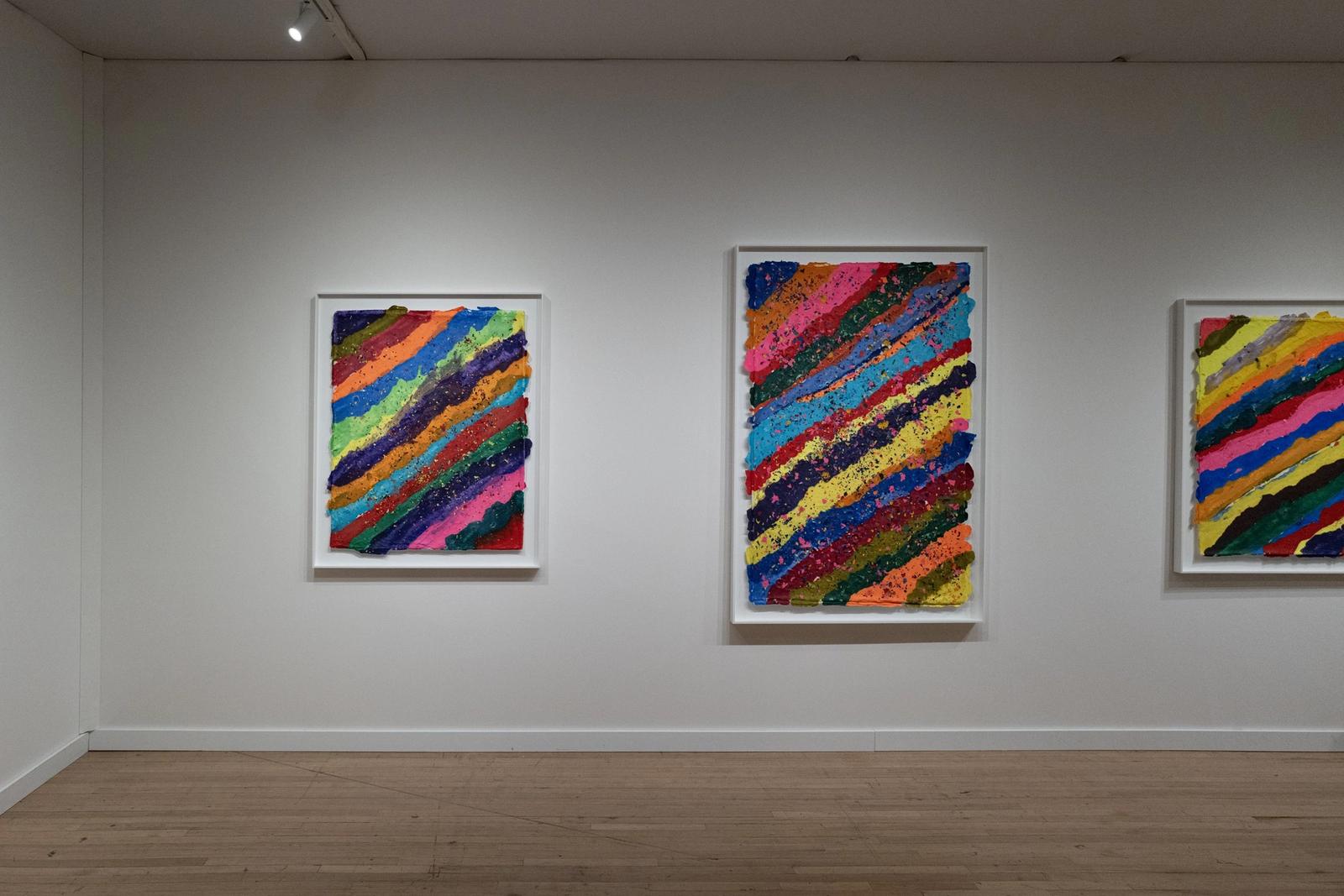
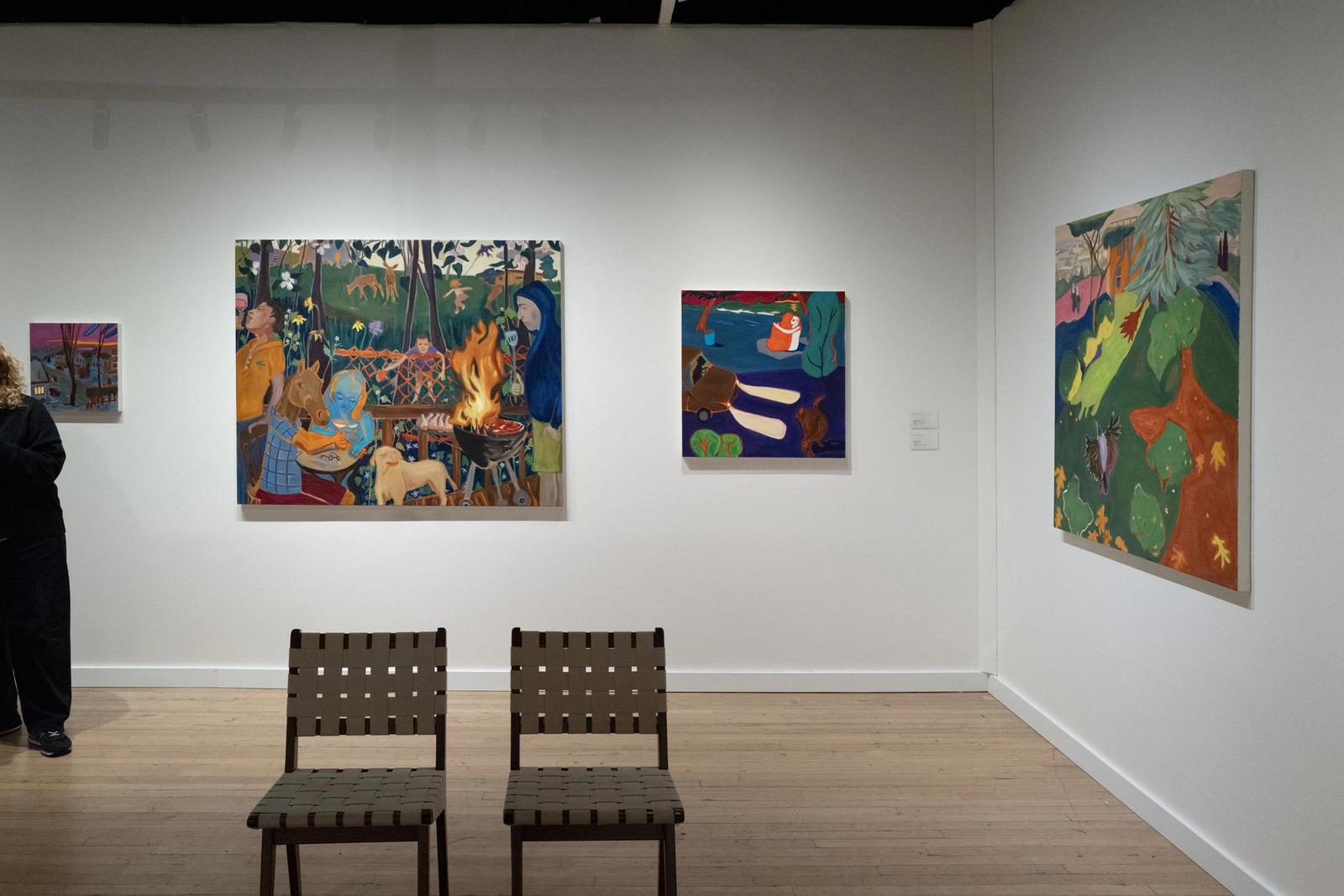
Korean American visitors may want to find Booth 10 in Aisle C first. On the central wall of the booth of Tribeca's Charles Moffett Gallery, two square paintings with swirling strokes of purple, pink and orange hang side by side. They are the work of Julia Jo, a painter born in Seoul who now works in Brooklyn. At first glance they look like abstractions of rushing water or whirling petals, but the gallery says human figures and familiar objects are hidden among the brushstrokes.
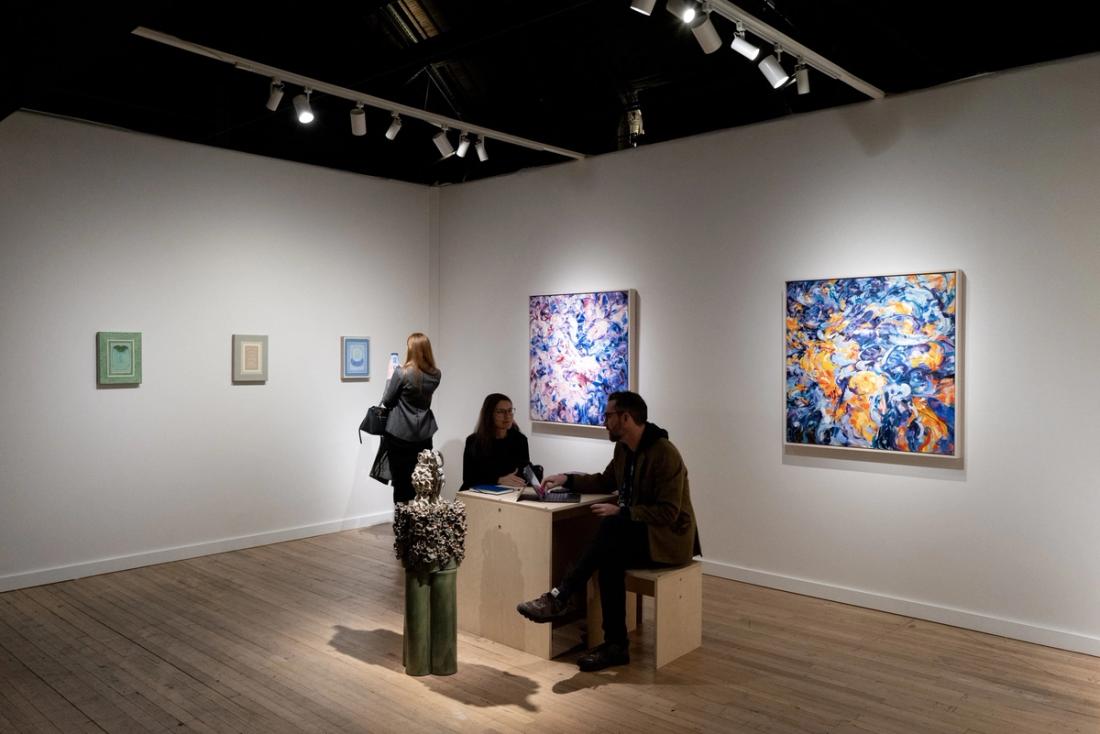
According to the gallery, Jo was born in Seoul in 1991 and spent her childhood and teenage years moving between Korea and several U.S. states. She graduated from Smith College and earned a master's degree at Parsons School of Design. She takes as her starting point what she experienced in those years: "moments lost in translation," social misalignments and the distance between people. Self-doubt, conflict and misunderstanding in relationships underlie the paintings. The human figures and familiar objects in them are at once revealed and hidden by lines, color and shadow. Oil pastel and oil stick layered over oil paint leave the texture of the thick brushwork intact.
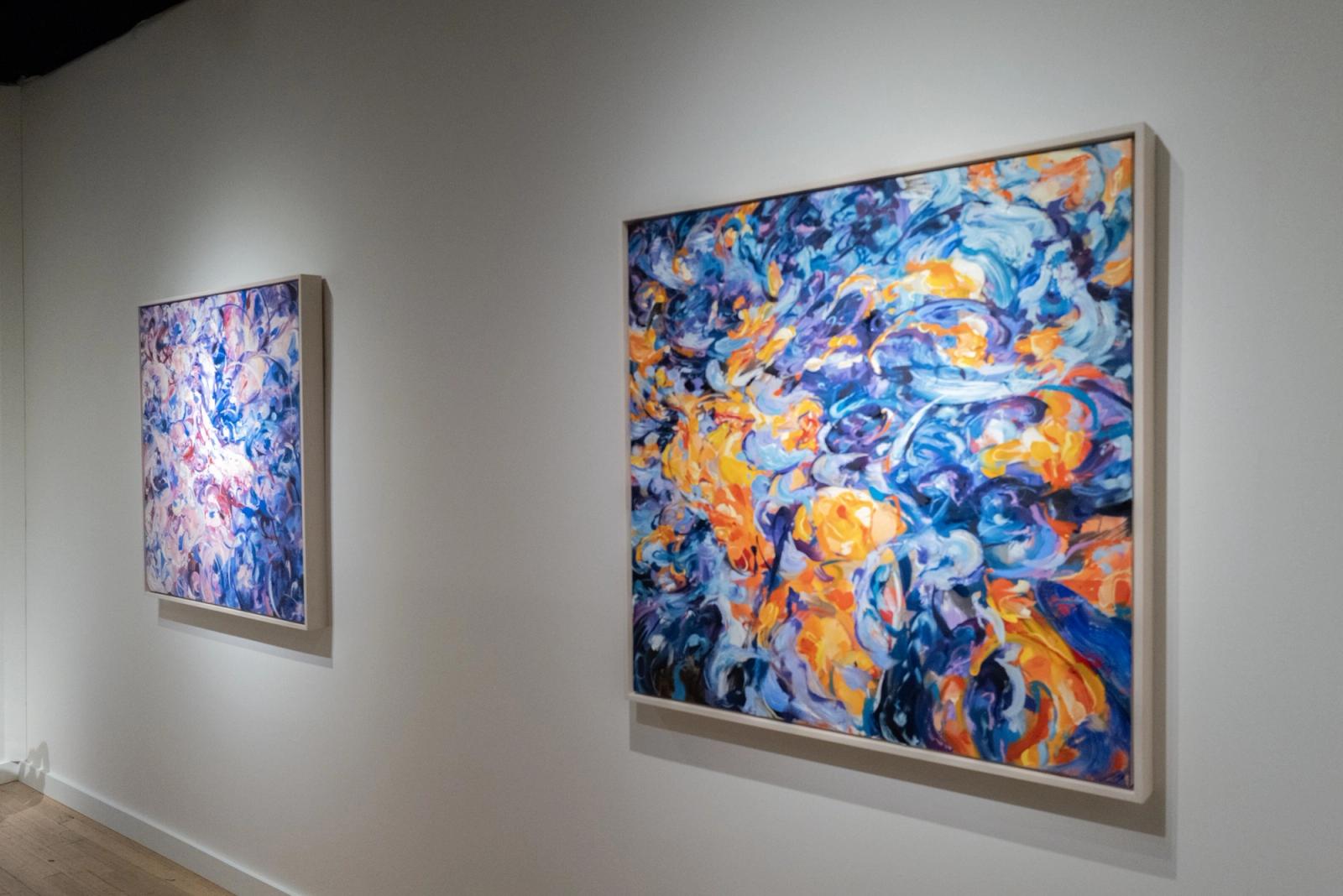
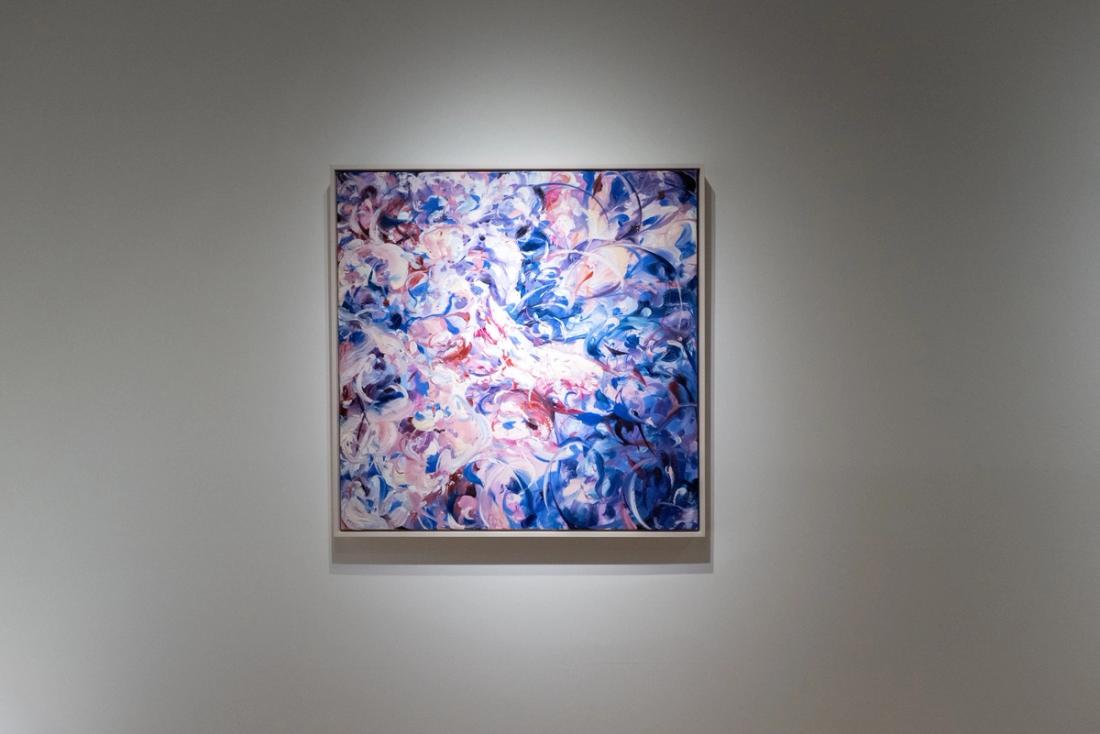
Jo has had three solo shows at Charles Moffett: her first, "Riptide," in 2023, followed by "Torrent" in 2024 and "Beckon" this February and March. She has also had a solo show at James Fuentes Gallery in Los Angeles. Her work is in the collections of the Institute of Contemporary Art, Miami (ICA Miami) and the High Museum of Art in Atlanta. According to The Art Newspaper, Charles Moffett sold three of Jo's paintings at the opening gala for $30,000 each, and also sold two paintings by Lily Stockman, from the same booth, for $20,000 each. Charles Moffett, which is taking part in the fair for the second time after 2024, welcomed the fact that the association does not pressure galleries to participate, saying it "feels like a group where every gallery wants the others to do well."
Another Asian Artist's Booth: Masako Miki's Yokai
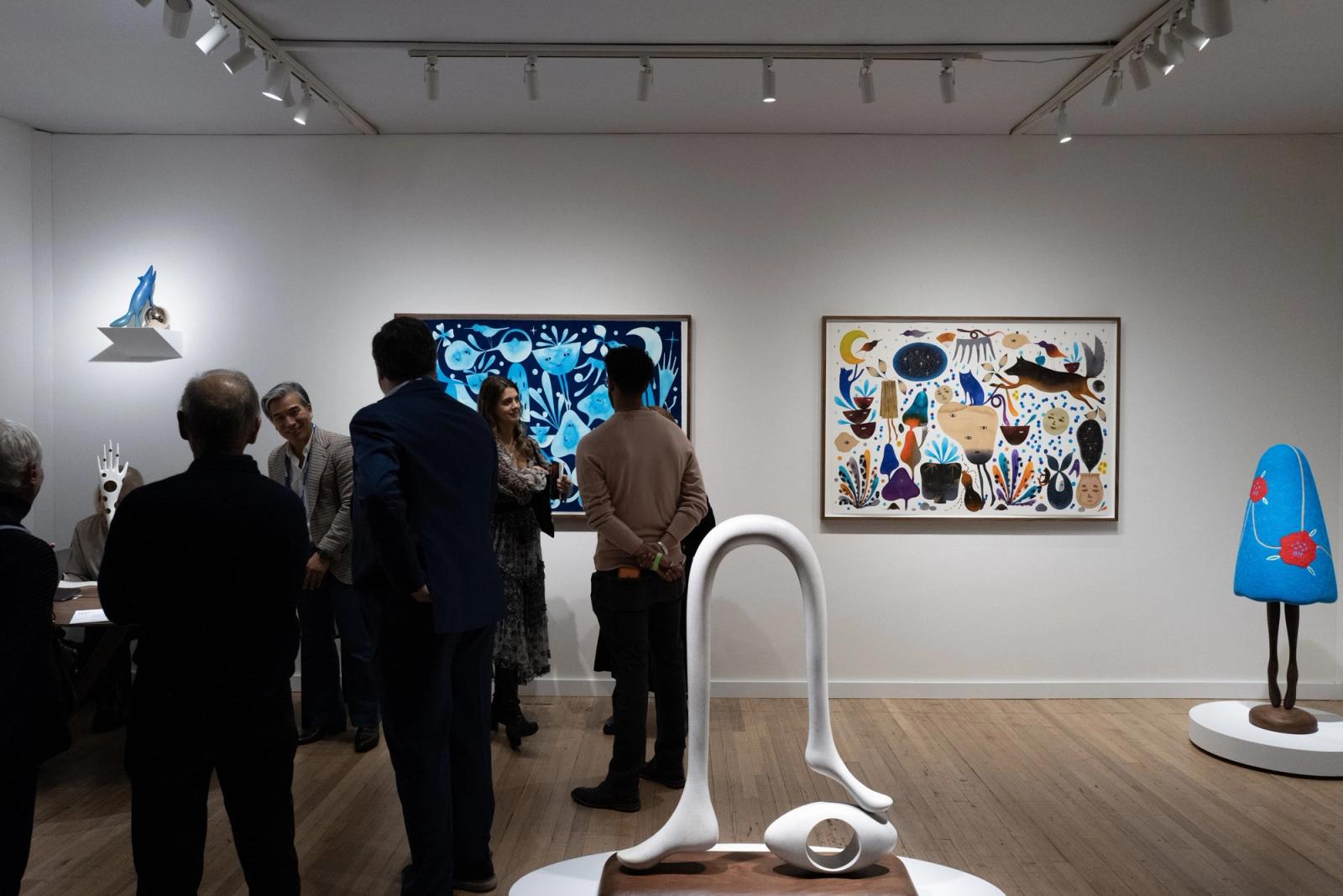
Among Asian artists, the work of Masako Miki, who was born in Osaka, Japan, and works in Berkeley, California, also stood out. Represented by Chelsea's Ryan Lee Gallery, she makes sculptures and two-dimensional works inspired by the Shinto idea of yaoyorozu no kami (eight million gods) and by yokai, the supernatural creatures of Japanese folklore. Miki moved to the United States at 18 and has used the image of "shape-shifting beings" to express her experience between two cultures.
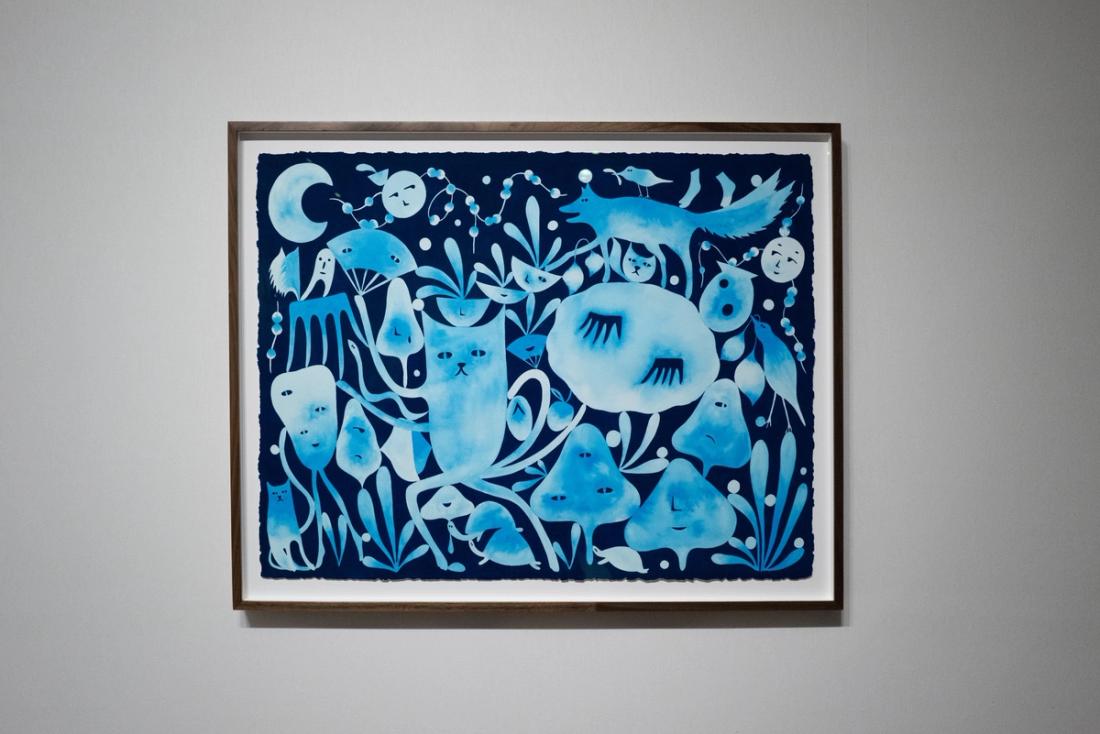
From Modern Masters to Contemporary Artists
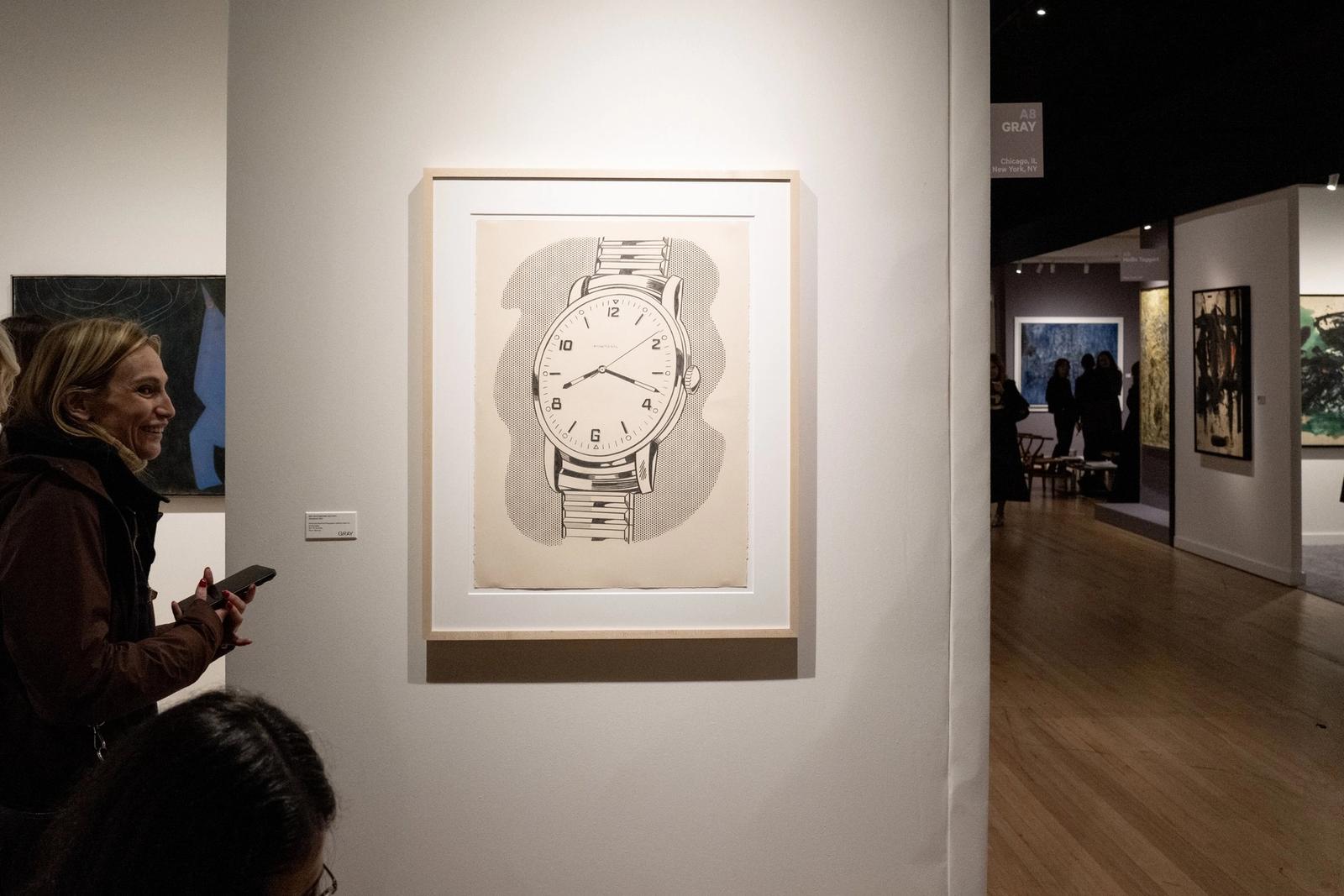
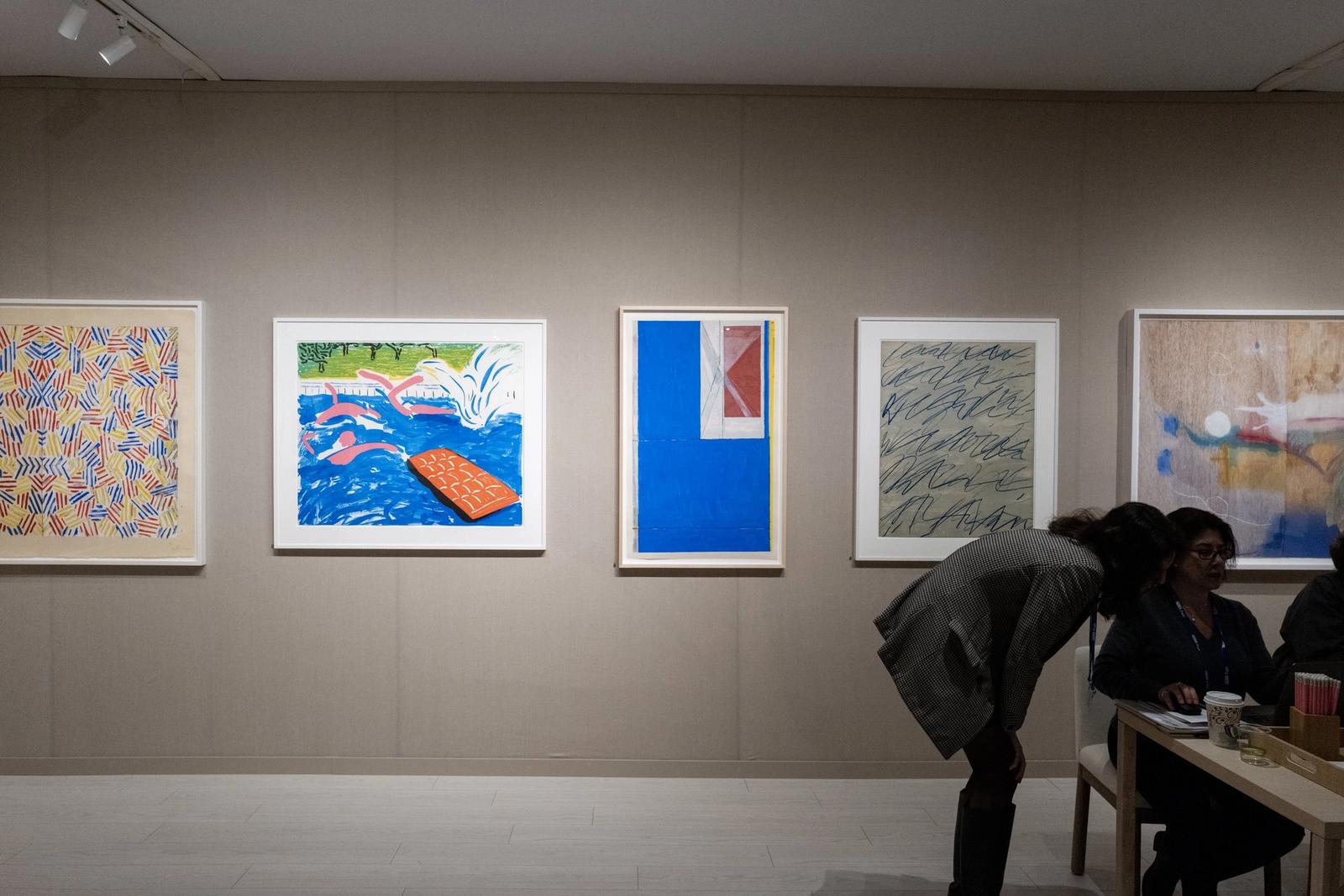
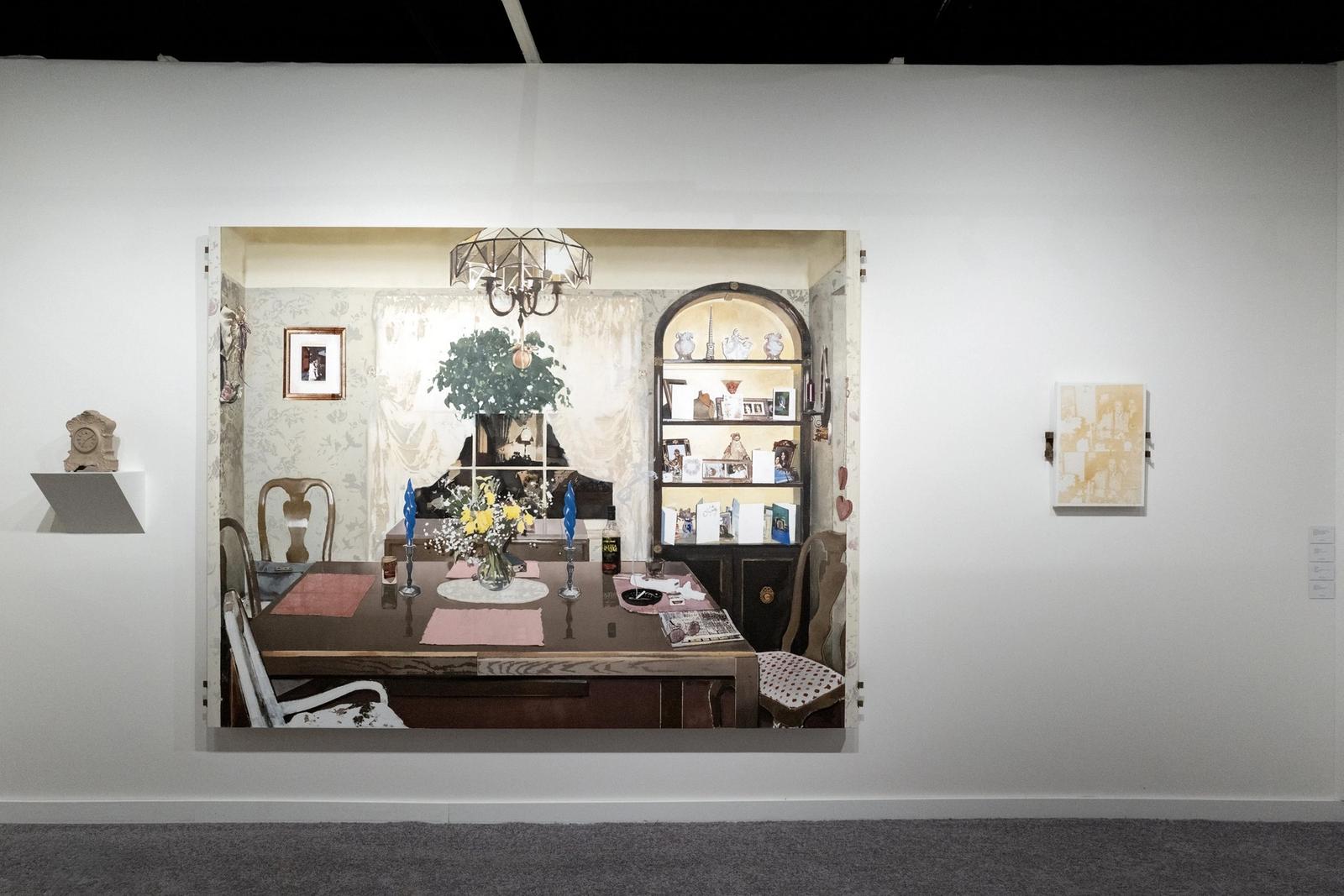
Observers say this year's fair leans more on modern and postwar works than on new ones. The John Szoke gallery is showing "Françoise," a 1946 lithograph by Pablo Picasso of his lover Françoise Gilot, along with a 1962 linocut. At the AH Arts booth, visitors can see a 1938 work by Joan Miró in watercolor and ink on paper. AH Arts sold a work on paper by Helen Frankenthaler for $75,000.
Jonathan Boos has gathered 20th-century American modernists including Jacob Lawrence, Beauford Delaney, Milton Avery and Charles Burchfield. According to The Art Newspaper, the most expensive work among the deals reported so far hangs at this booth: Agnes Pelton's 1932 painting "The Well of Peace," with an asking price of $2.4 million. Delaney's "Untitled (Paris)" was also offered, at $1.6 million. The Whitney Museum of American Art happens to be showing a Burchfield exhibition, which makes a worthwhile companion visit.
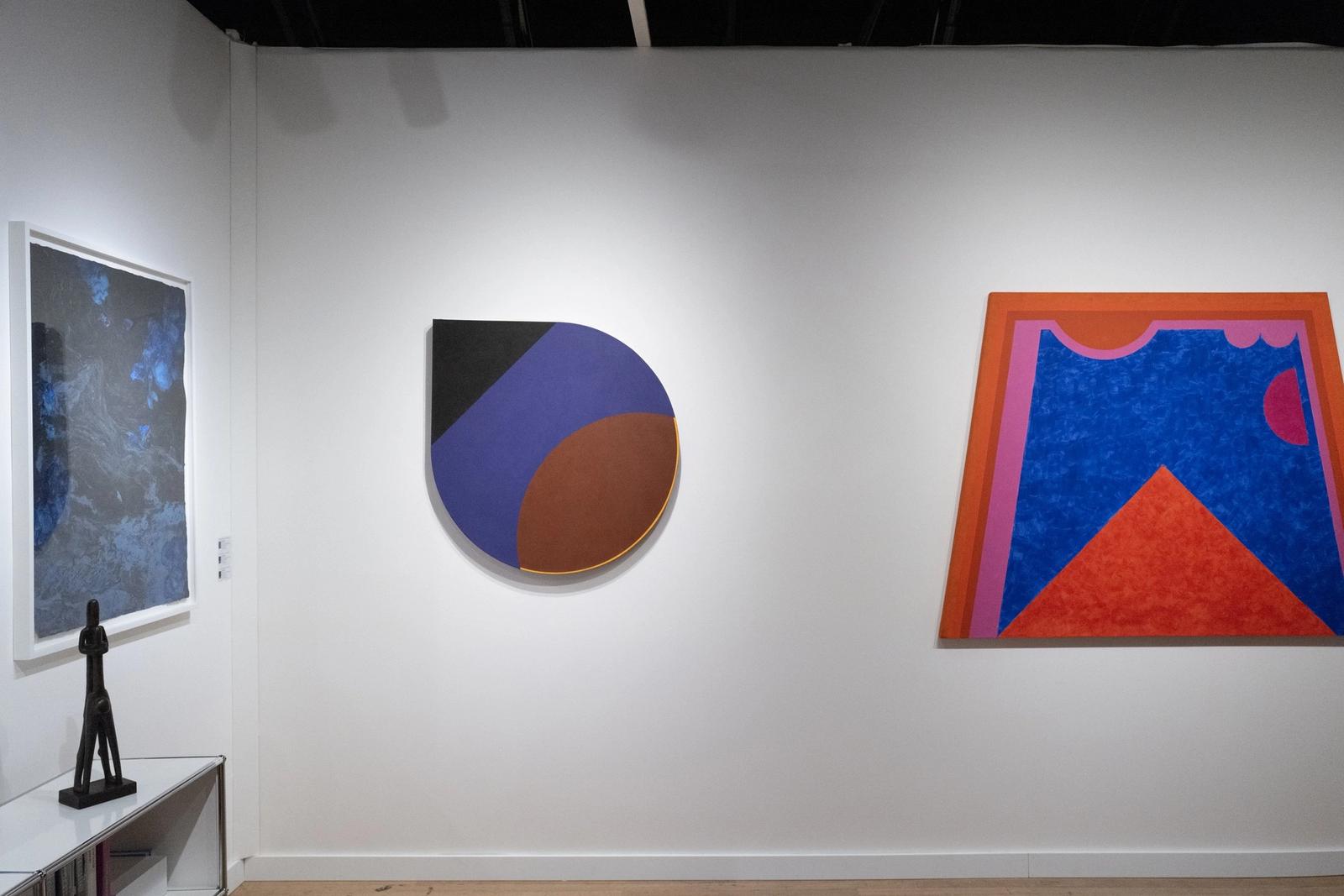
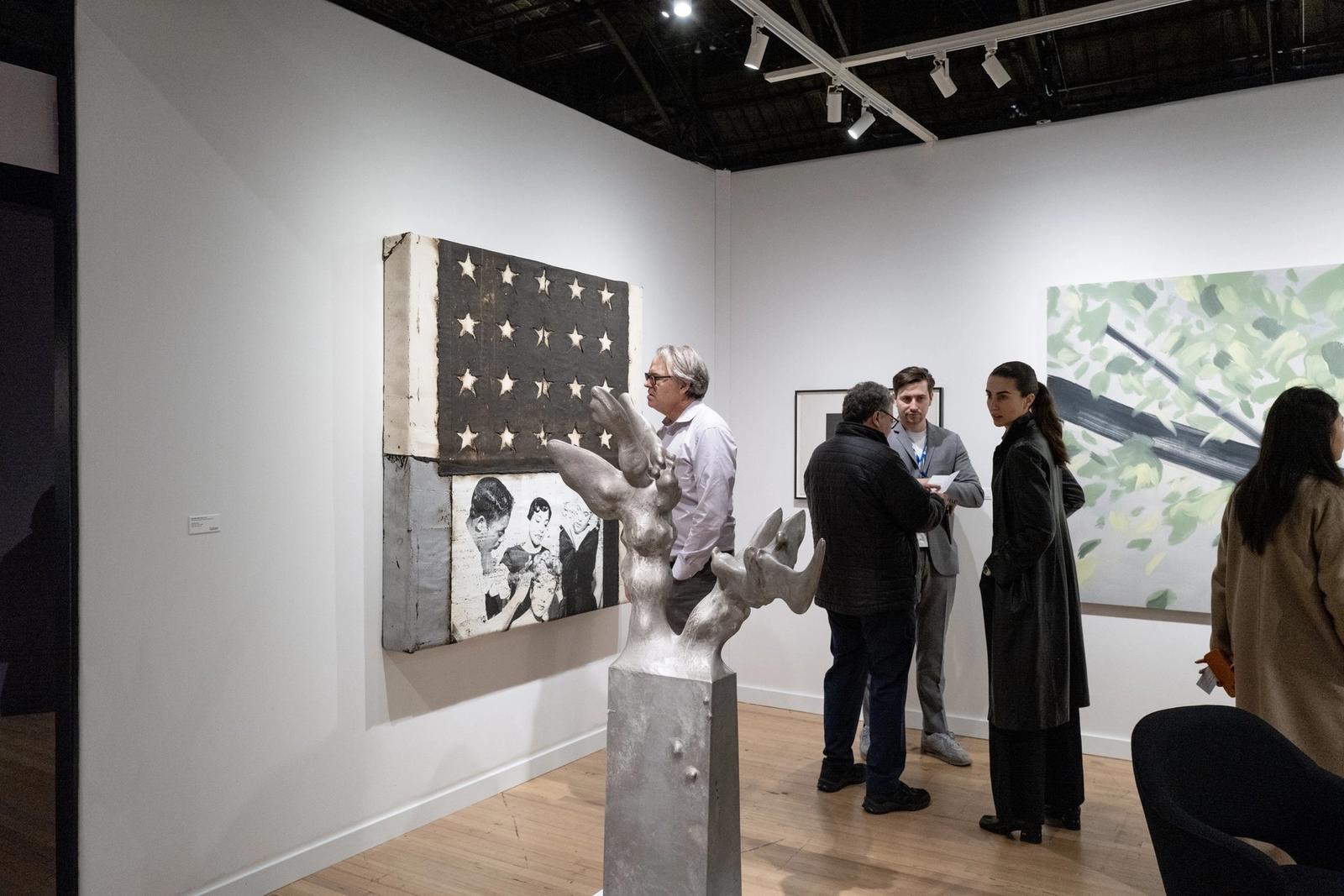
Day Three: Sales Reports Keep Coming
The fair is smaller, but galleries say sales are going well. According to The Art Newspaper, Kraushaar Galleries sold two works priced in the six figures and several priced under $2,000. Connecticut's James Barron Art sold works by Beverly Pepper, Kenneth Noland and Kikuo Saito for $40,000 to $85,000, and Perrotin sold two paintings by Japanese artist Susumu Kamijo for $30,000 to $45,000. Jessica Silverman said it sold eight new works by Julie Buffalohead on the evening of opening day for $22,000 to $50,000. Note, however, that the prices galleries disclose are asking prices, so actual sale prices may differ.
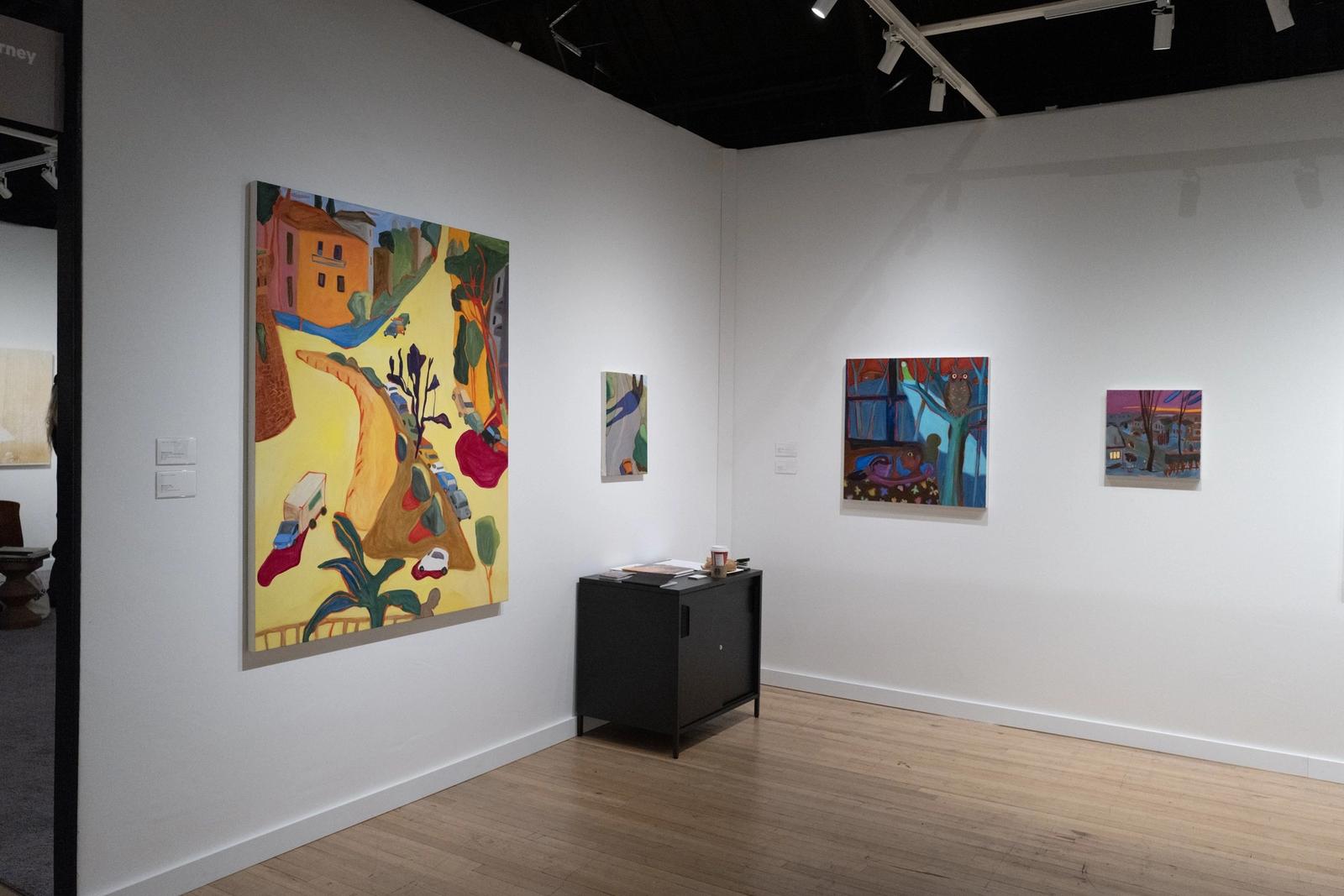
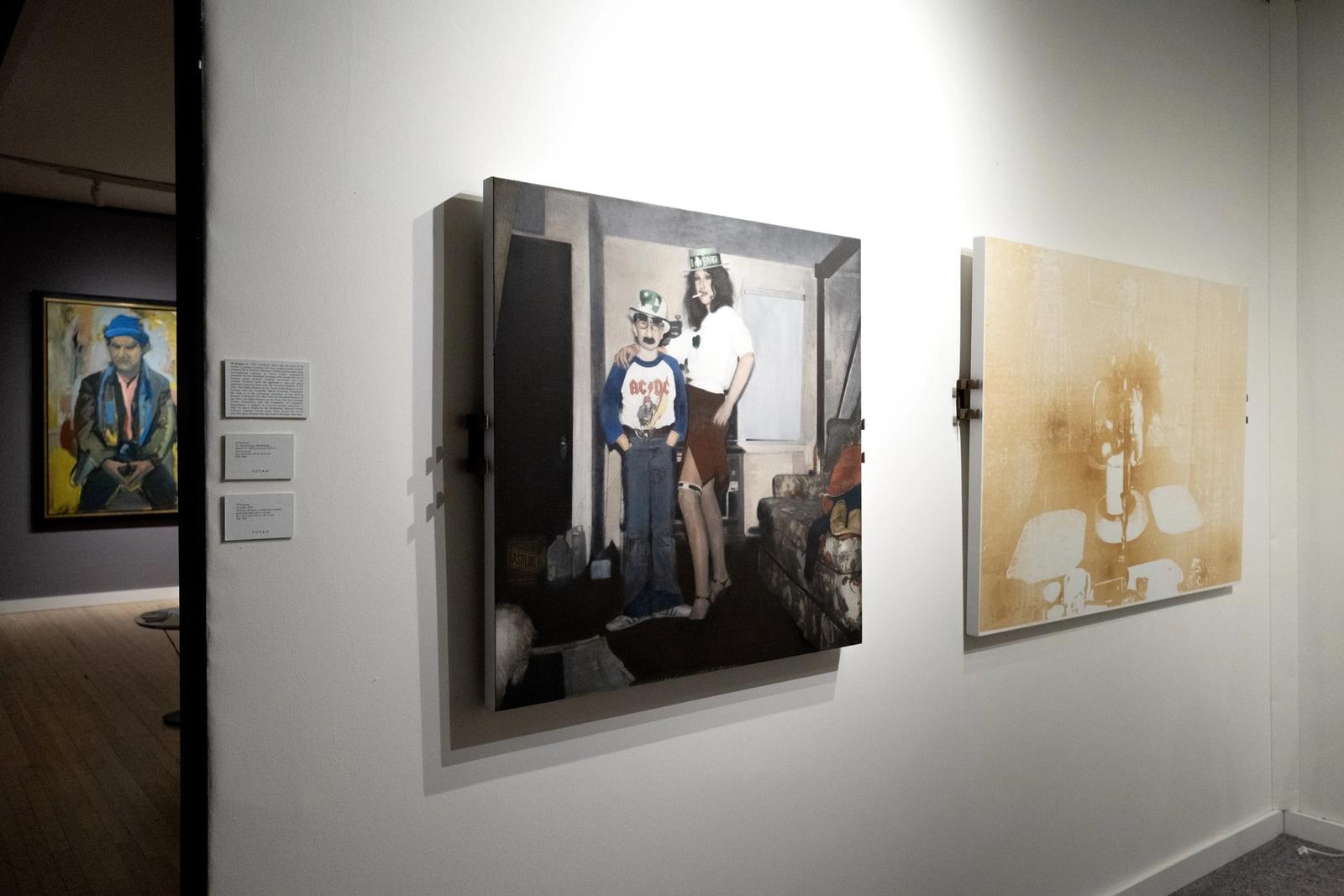
Booths Singled Out by Art Media
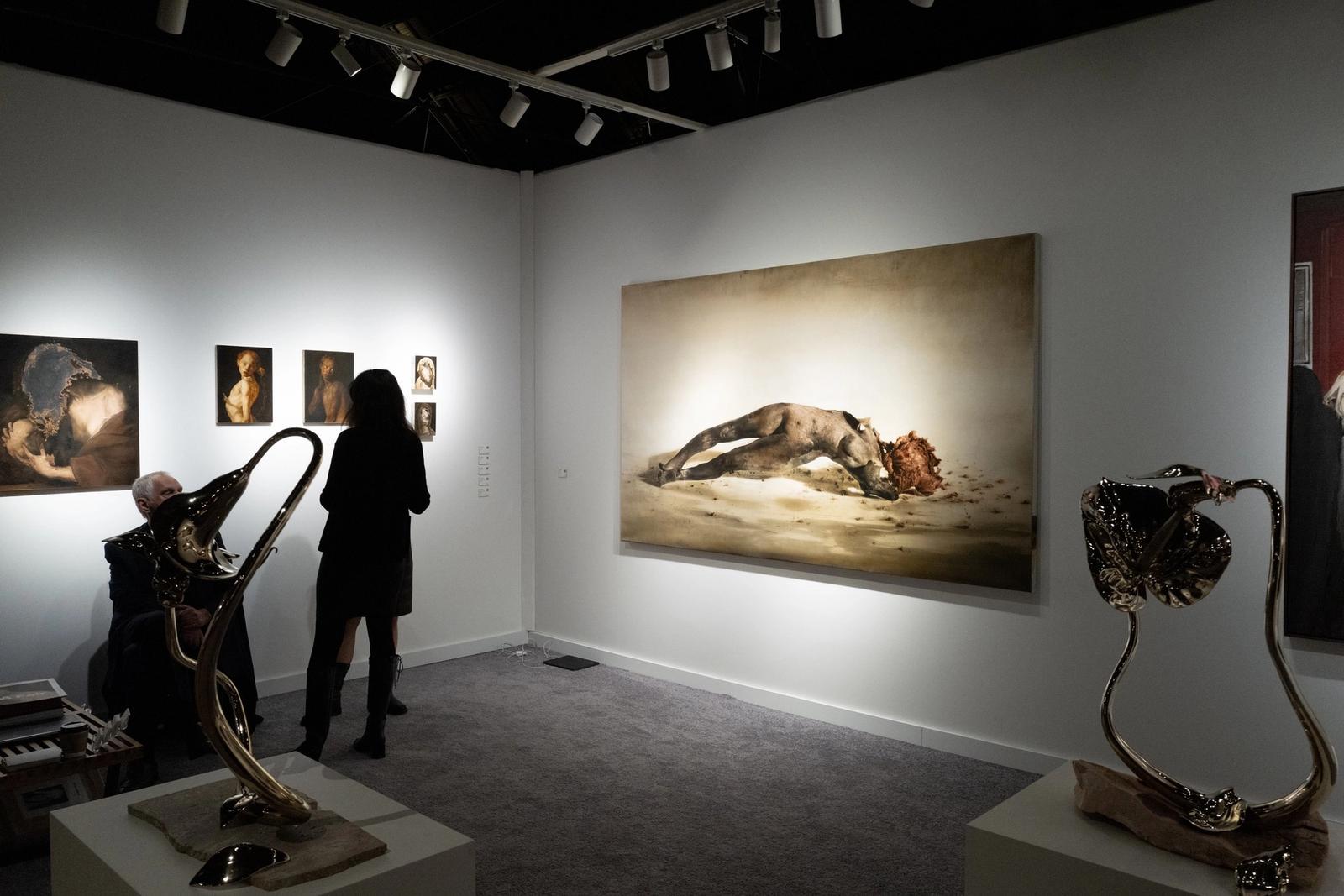
The art publication Artsy named five standout booths this year. Topping its list is Roberts Projects (B1), which brought together more than 60 years of work by assemblage artist Betye Saar, who died in July, four days before her 100th birthday. The booth includes a piece that hung in her 1975 solo show at the Whitney Museum. Also on the list are Piero Atchugarry Gallery (B9), with glass, stone and steel sculptures by Brazilian sculptor Tulio Pinto, and Jessica Silverman (B7), which is showing new work by Julie Buffalohead. The other two are Berry Campbell (C6), with women Abstract Expressionist painters including Elaine de Kooning, and Yares Art (A5), with late abstract paintings by Larry Poons.
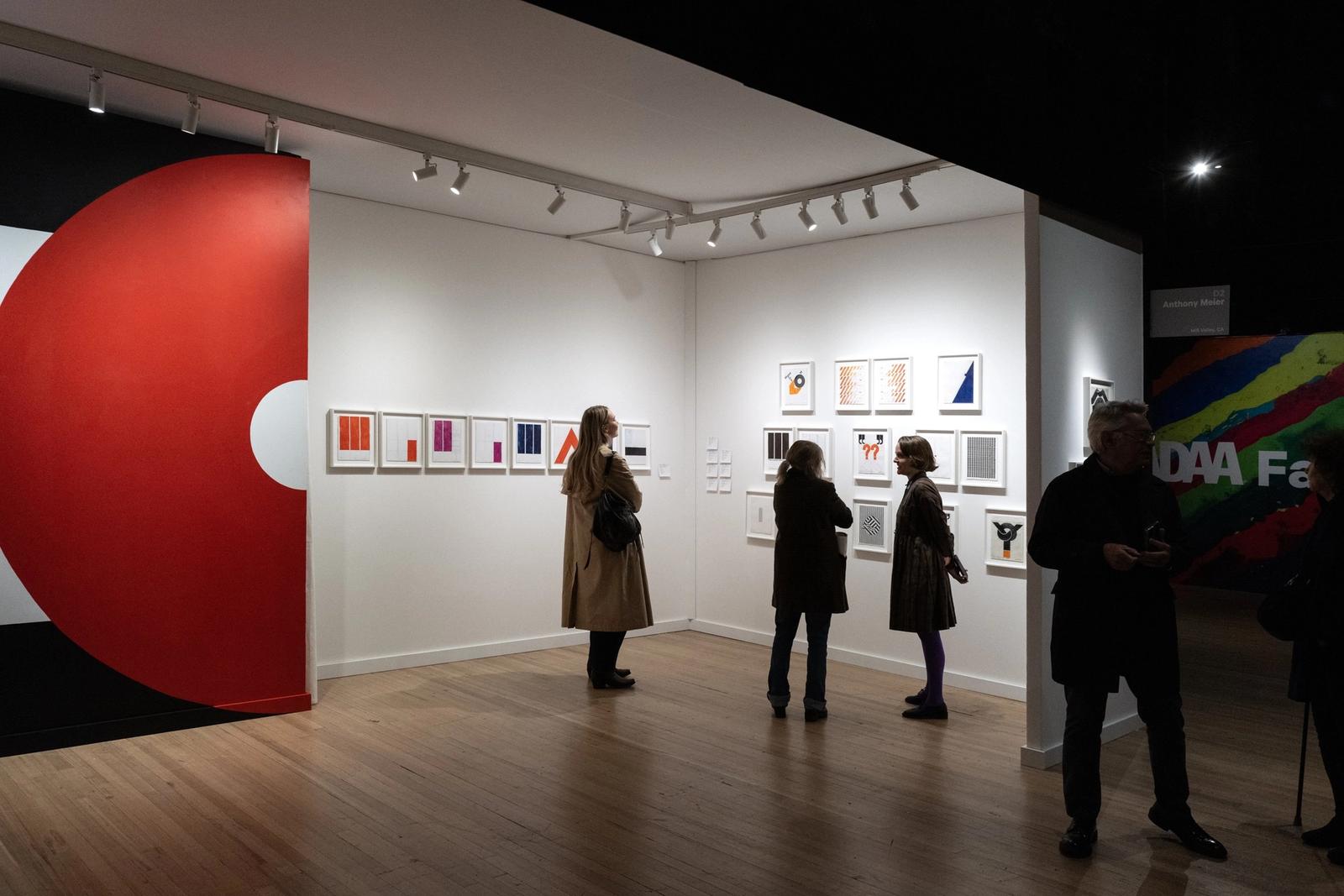
The association's preview also points to a range of other highlights. Hosfelt Gallery is showing the "Sonambient" series by Harry Bertoia, known for his sound-making sculptures, while Anthony Meier is presenting drawings and collages by graphic designer Barbara Stauffacher Solomon. It is her first solo presentation in New York in nearly 60 years. Susan Inglett Gallery has revived work Maren Hassinger first showed at the Los Angeles County Museum of Art (LACMA) in 1981.
Visitor Tips
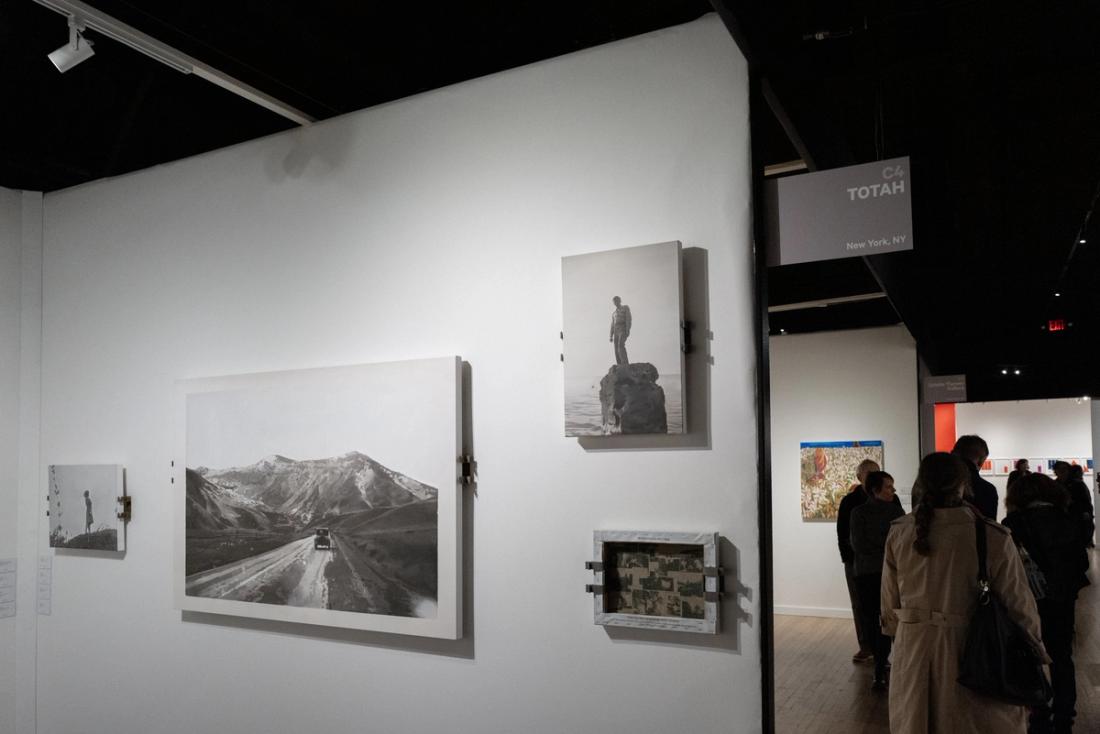
The fair is compact, and you can comfortably see all 63 booths in two to three hours. Booth numbers run in rows from A to D, so it helps to pick the galleries you want to see in advance from the exhibitor list on the official website. Scanning the QR code on the label beside a work brings up that gallery's list of works. Another advantage of a members-only gallery fair is that you can ask the staff at each booth directly about prices or the artists. A round bar and café tables in the middle of the hall make a good spot to take a break.
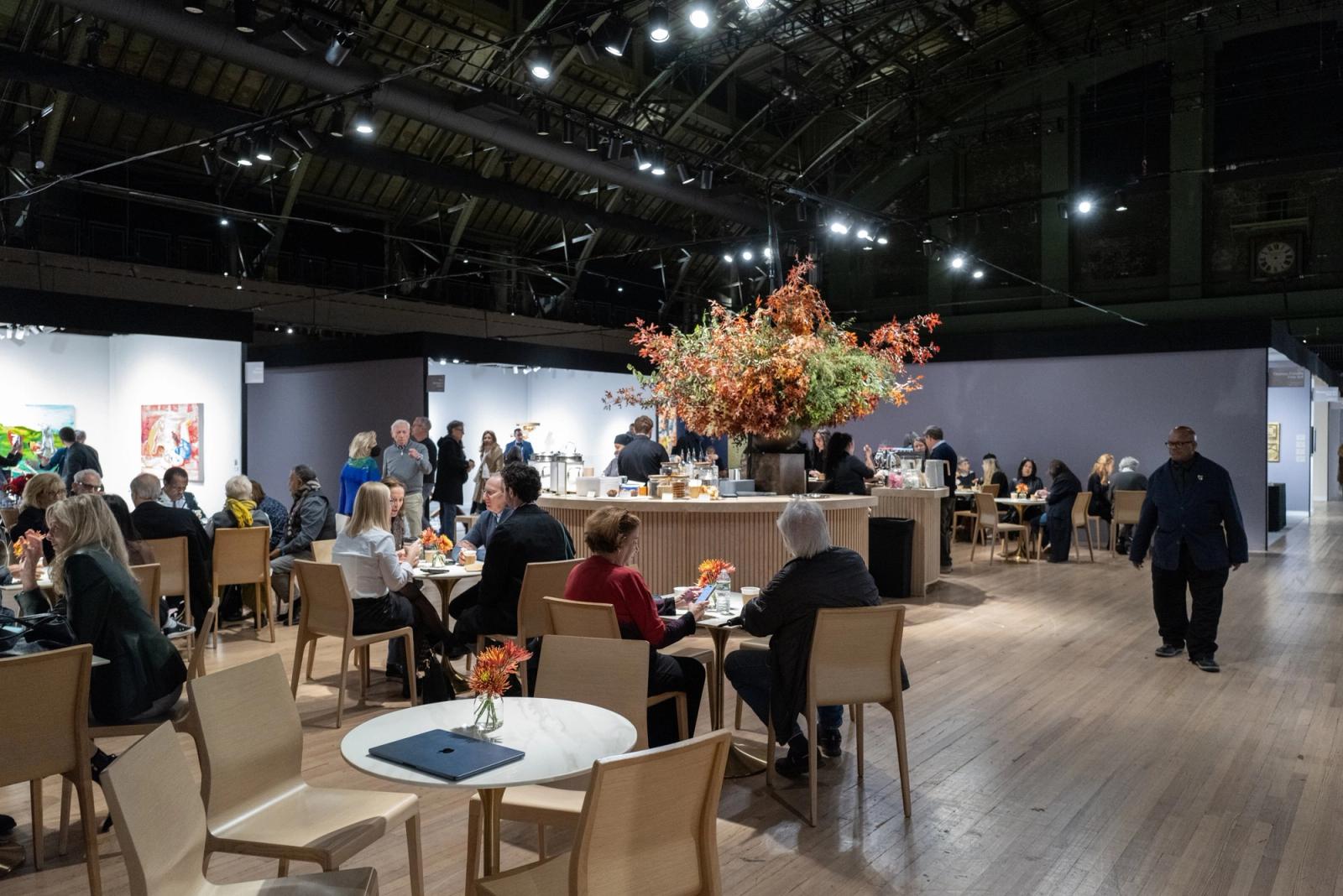
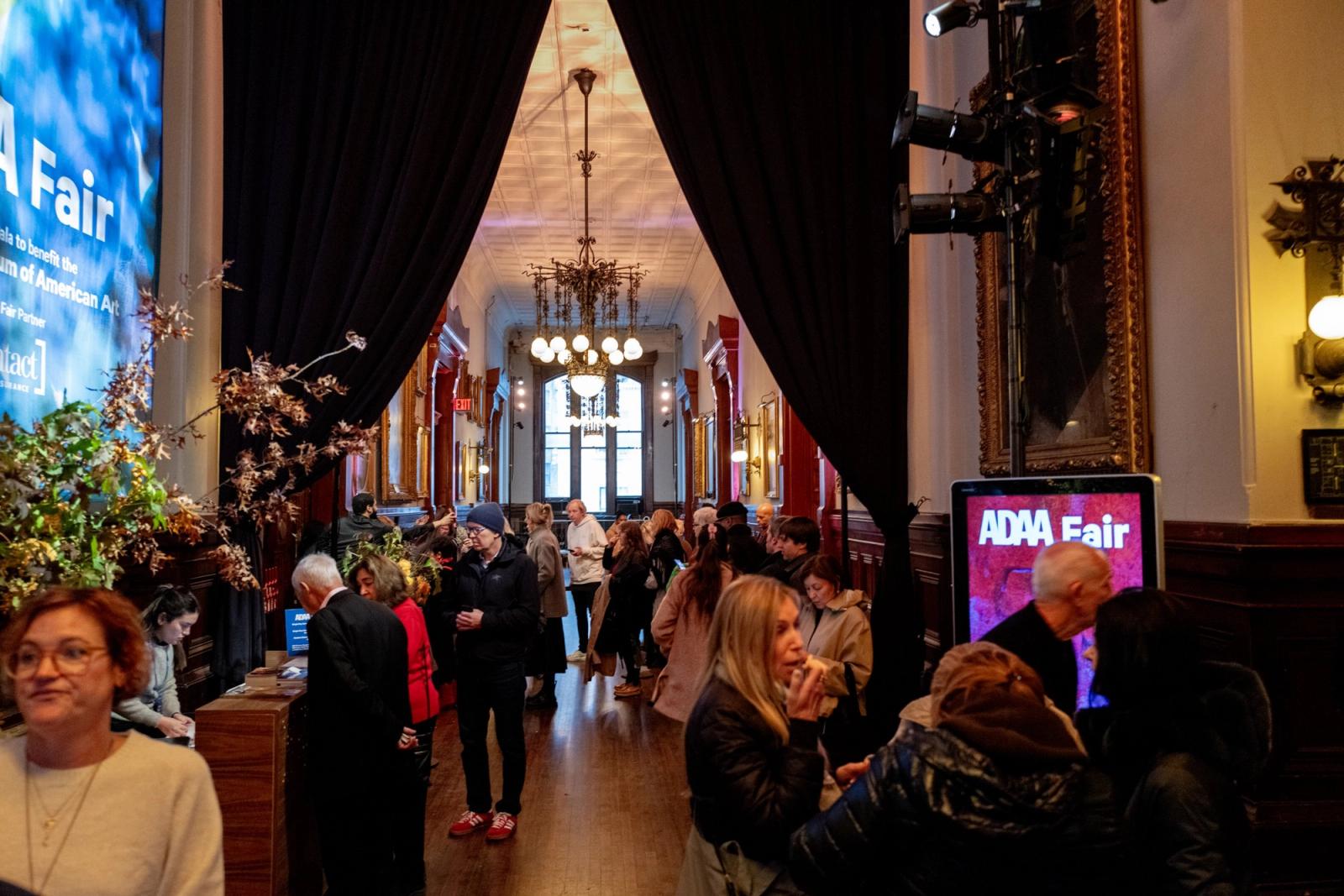
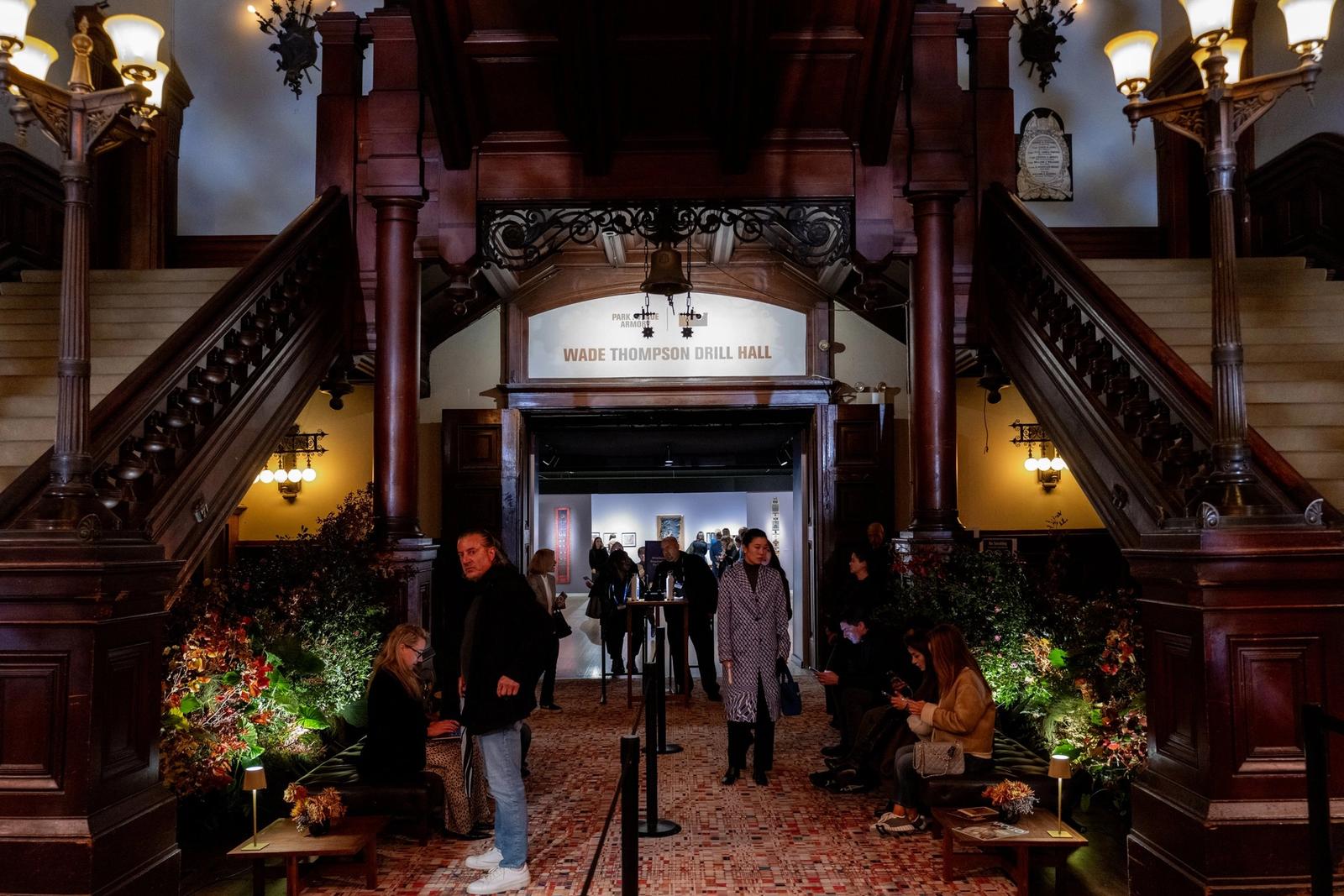
The Armory building is worth a look in its own right. Built in the late 19th century as an arsenal for the New York National Guard's Seventh Regiment, it still has its wood paneling, chandeliers and portraits in the lobby and hallways. The Drill Hall, which serves as the exhibition space, is a vast room whose roof is supported by steel arches with no columns. Today, Saturday, Nov. 14, the association is holding a Gallery Walk of its Upper East Side member galleries, so visitors can plan a route that takes in neighborhood galleries before heading to the Armory.
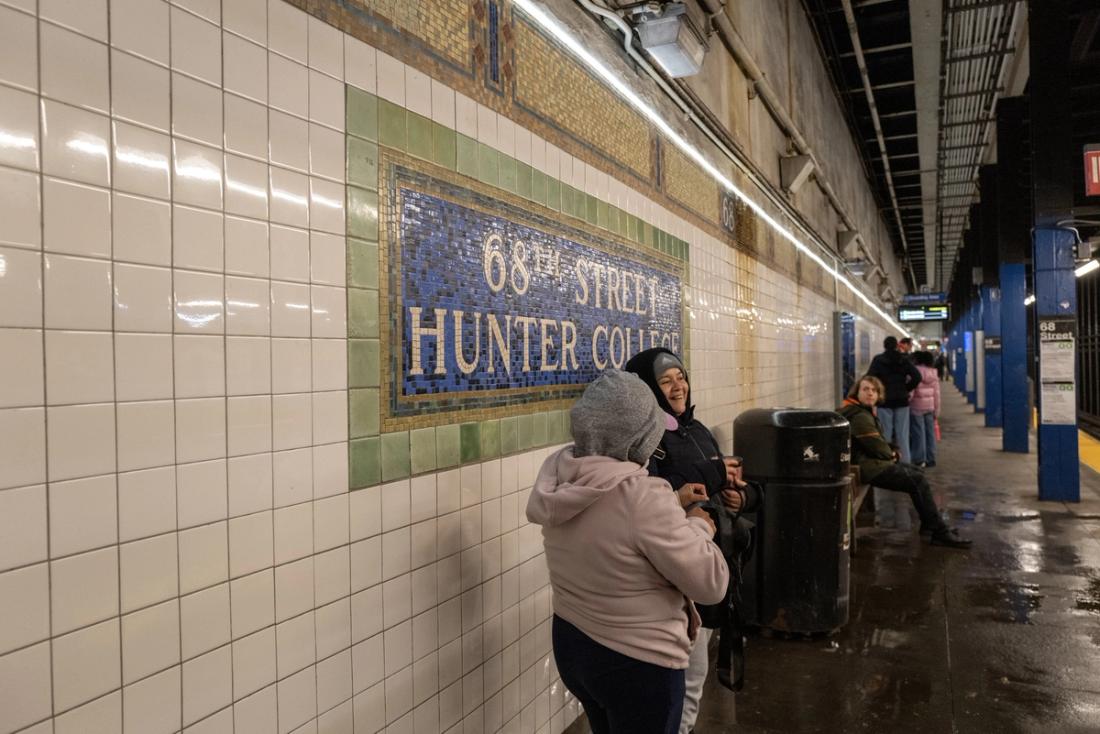
To get there, take the 6 train to 68th St–Hunter College and walk a little over two blocks. The ADAA fair runs through 5 p.m. Monday, Nov. 16. Tickets and the exhibitor list are available on the official website (adaafair.org).