
In November, ahead of Black Friday and the Christmas holiday season, the biggest shopping period on the East Coast, Korean consumer goods are pouring into East Coast gateway ports, including the major logistics terminals under the Port Authority of New York and New Jersey (PANYNJ) and ports overseen by the Connecticut Port Authority.
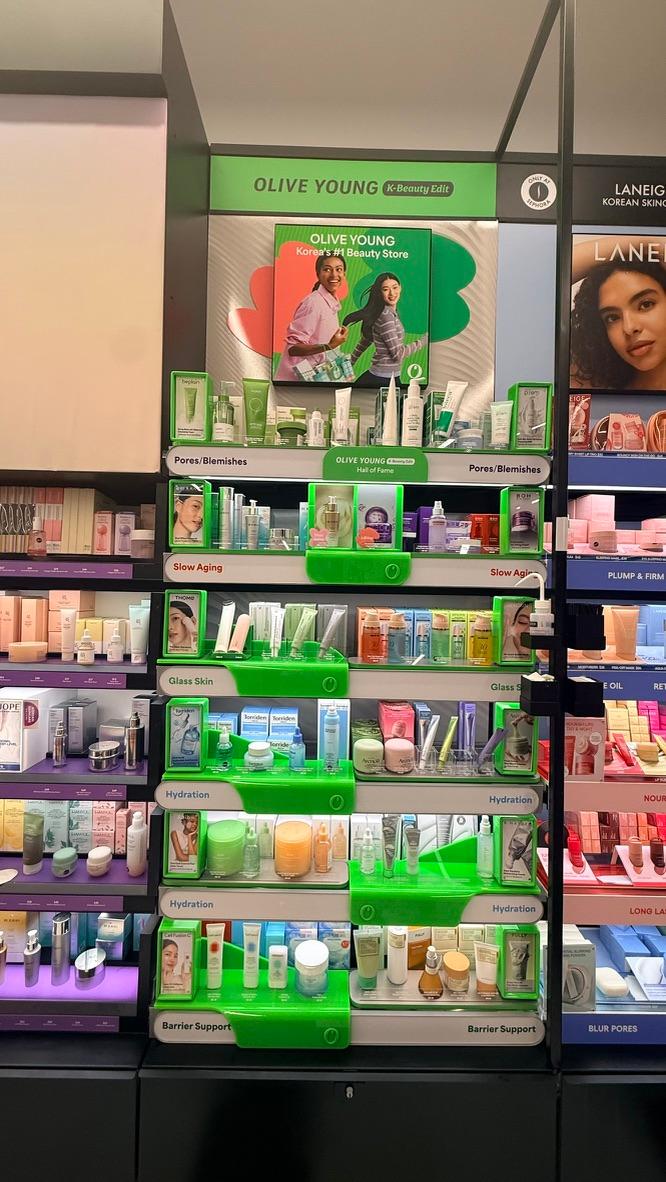
In November, ahead of Black Friday and the Christmas holiday season, the biggest shopping period on the East Coast, Korean consumer goods are pouring into East Coast gateway ports, including the major logistics terminals under the Port Authority of New York and New Jersey (PANYNJ) and ports overseen by the Connecticut Port Authority. Import volumes have grown markedly in both scale and range compared with last year, and Korean products are now taking over year-end shelves not only in ethnic markets centered on Korean neighborhoods but also across mainstream U.S. retailers such as Target, Sephora, Costco and Amazon.
According to the latest trade statistics from the Korea Customs Service, the Ministry of Agriculture, Food and Rural Affairs, the Korea Health Industry Development Institute (KHIDI) and other agencies, Korea's K-food and K-beauty exports to the U.S. this year have been setting new all-time highs every month compared with the same period last year.
U.S. Overtakes Greater China as No. 1 Market Worldwide, With K-Beauty Exports to U.S. Up 40.6%
The product group showing by far the steepest increase in year-end import volume is K-beauty (cosmetics). According to KHIDI and Korea Customs Service tallies, Korea's total cosmetics exports reached $11.1 billion cumulatively through the third quarter of 2026, a record high.
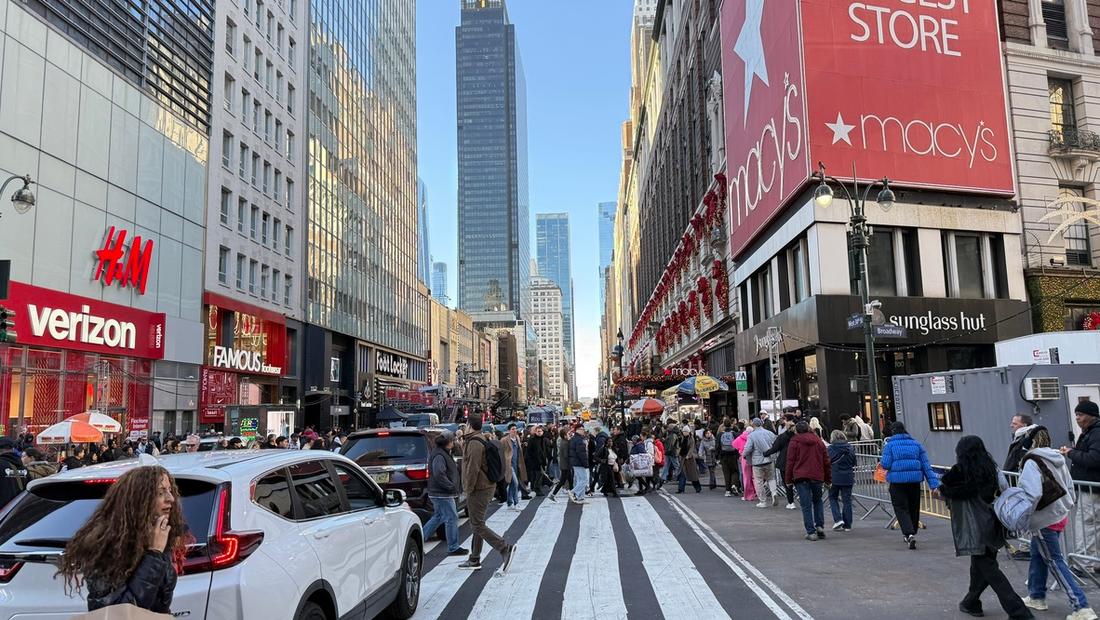
In particular, the U.S. has overtaken China, previously the largest market, to become the top destination for Korean cosmetics worldwide, accounting for 21.1% of total exports. Cosmetics exports to the U.S. this year have surged 40.6% from the same period last year, continuing an explosive growth trend. The core driver of the volume surge is basic skincare. Among total cosmetics exports, basic skincare products rose 45.1% year over year, and high-performance products such as sunscreens, hydrating serums and soothing pads are arriving in bulk for beauty shelves in Midtown Manhattan and Brooklyn.
An official at KHIDI's Americas center also noted that in the U.S. market, K-beauty is no longer confined to ethnic markets or to merchandise for temporary K-pop fandoms. Armed with high performance and reasonable prices, it now occupies the center of year-end shelves at major U.S. retail chains and is establishing itself as a new standard in skincare.
Rice-Based Processed Foods Up 42.6%, Sauces Up 31.8%: K-Food Expands Into the Mainstream
K-food (agricultural and fishery products) is also capturing the year-end market, with import volumes far exceeding last year's levels. According to figures from the Ministry of Agriculture, Food and Rural Affairs and the Korea Agro-Fisheries & Food Trade Corporation (aT), agrifood exports to the U.S. in the first half of this year totaled $1.1449 billion, up 11.0% from the same period last year and a record high.
The categories with the most notable growth were rice-based processed foods and sauces. Thanks to the successful localization of frozen gimbap and fusion tteokbokki, which began as TikTok social media crazes, exports of rice-based processed foods to the U.S. jumped 42.6% from a year earlier. K-sauces such as gochujang, Buldak seasoning and sesame oil rose 31.8% year over year, reclaiming space on local consumers' kitchen condiment shelves. Ramen exports also grew more than 22% year over year, remaining the mainstay of K-food exports to the U.S., while kimchi exports to North America rose 15.3% to $30.6 million.
An official at aT's Americas regional headquarters noted that K-food recipe challenges spread through social media are leading to actual import contracts with major local retailers. The official added that rice-based processed foods such as frozen gimbap and fusion tteokbokki, in line with gluten-free and wellness trends, have firmly established themselves as an everyday alternative meal for local consumers.
New Jersey 3PL Cold-Chain Logistics Infrastructure Ramps Up as Year-End Distribution Runs at Full Capacity
To handle the surging volume of Korean consumer goods, logistics facilities near the Port Authority of New York and New Jersey (PANYNJ), the largest logistics hub on the East Coast, which handles about 8.9 million TEUs annually, are also operating at a busy pace. To avoid congestion at West Coast ports and the cost of overland transport, containers arriving on direct East Coast all-water route vessels are moving quickly through Port Newark and the Elizabeth terminals to bonded warehouses in New Jersey's central logistics corridor.
With a sharp rise in arrivals of fresh and frozen foods such as frozen gimbap, frozen dumplings and kimchi in particular, the occupancy rate of large cold-chain freezer logistics centers in New Jersey has surged. Imported cargo passes through sophisticated third-party logistics (3PL) delivery systems and is supplied on time to large shopping malls across the New York metropolitan area and to Amazon FBA fulfillment centers. With the year-end shopping season under way, East Coast retailers are running promotions that put K-food and K-beauty products front and center.
FDA MoCRA and FSVP Regulatory Hurdles: Pre-Clearance Needed to Avoid Demurrage Charges
Behind the explosive growth in import volume lies a structural risk: stricter year-end customs and clearance standards. As of 2026, U.S. Customs and Border Protection (CBP) and the Food and Drug Administration (FDA) are operating a customs governance system that scrutinizes safety and legal compliance more closely than the speed of cargo clearance.
For K-beauty exporters, facility registration (FD&C Act Section 607) and product listing under the FDA's Modernization of Cosmetics Regulation Act (MoCRA) are mandatory. Functional products such as sunscreens in particular must meet the FDA's over-the-counter (OTC) monograph to avoid customs holds. K-food shipments, too, face an immediate import hold at the port of entry if documents under the Foreign Supplier Verification Program (FSVP) of the Food Safety Modernization Act (FSMA) or Prior Notice filings are missing.
A customs expert at an East Coast international logistics and customs brokers association explained that in November, when year-end peak-season volume is concentrated, even a single missing FDA MoCRA facility registration number or FSVP verification document can lead to a customs hold of several days at the port. In that case, demurrage charges of several hundred dollars per container per day are incurred, adding to logistics costs, so the expert stressed that pre-arrival customs clearance procedures and a dual strategy using New Jersey bonded warehouses should be put in place proactively.