
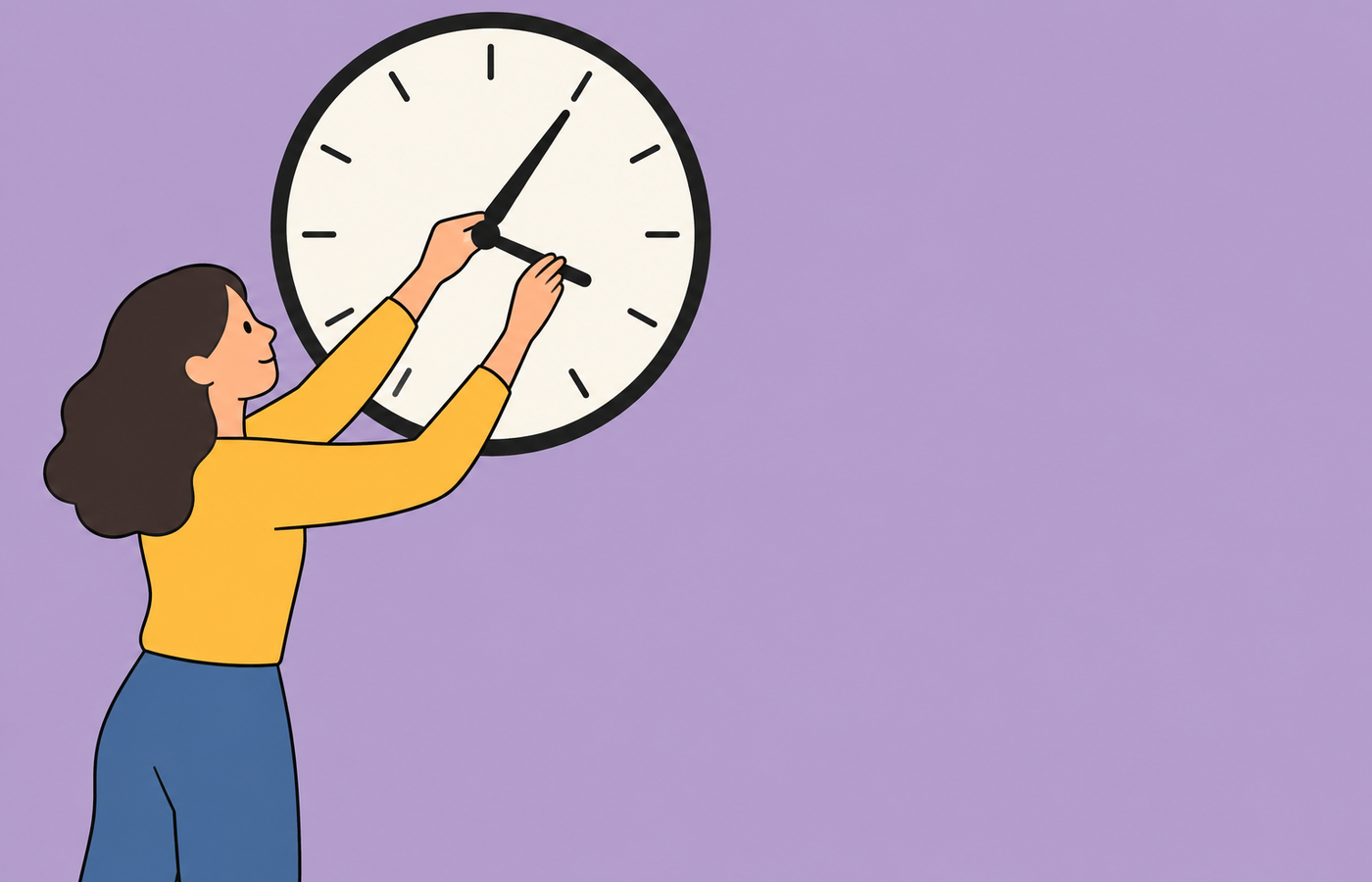
Daylight saving time in the U.S. ends at 2 a.m. on Sunday, Nov. 1. Set your clocks back one hour to 1 a.m. and enjoy an extra hour of sleep. New York switches from Eastern Daylight Time (EDT) to Eastern Standard Time (EST), and the time difference with Korea, which does not observe daylight saving time, widens from 13 hours to 14 hours. Sunsets suddenly come an hour earlier, making the evening commute darker.
Daylight saving time ends at 2 a.m. on Sunday, Nov. 1. At that moment, clocks go back to 1 a.m. You get an hour back, so you can sleep an hour longer than usual that morning.
Cellphones and computers update automatically. Wall clocks, car dashboards, ovens, microwaves and wristwatches have to be changed by hand. It is easiest to set them back on Saturday night before going to bed.
Time Difference With Korea Changes Overnight
For Korean Americans, this is the more practical change. Korea does not observe daylight saving time. New York is currently 13 hours behind Korea, but starting Nov. 1 it will be 14 hours behind.
If you call Korea at 8 p.m. New York time now, it is 9 a.m. the next day there. After Nov. 1, the same 8 p.m. will be 10 a.m. in Korea. If your family has a set time for calls with relatives in Korea, those times will shift by an hour starting that day. The same goes for calls to Korean banks and government offices.
Evening Commute Suddenly Gets Darker
The biggest change you will notice is the time of sunset. Through Oct. 31, the sun sets in the 5 p.m. hour; from Nov. 1, it sets in the 4 p.m. hour. With the sunset moving up an hour in a single day, the trip home from work and school can feel suddenly pitch dark.
Pedestrian accidents increase during this period. Drivers keep going as if it will still be light, but the roads are already dark. If your children walk to and from school, make sure they wear bright clothing or reflective stickers on their bags. Pedestrians should also make sure cars have stopped before crossing the street.
Changing your clocks is also a good time to take care of another task: replacing the batteries in your smoke and carbon monoxide detectors. This is the season when people start turning on their heating, which coincides with a rise in carbon monoxide incidents. If you replace the batteries twice a year when you change your clocks, you won't forget.