
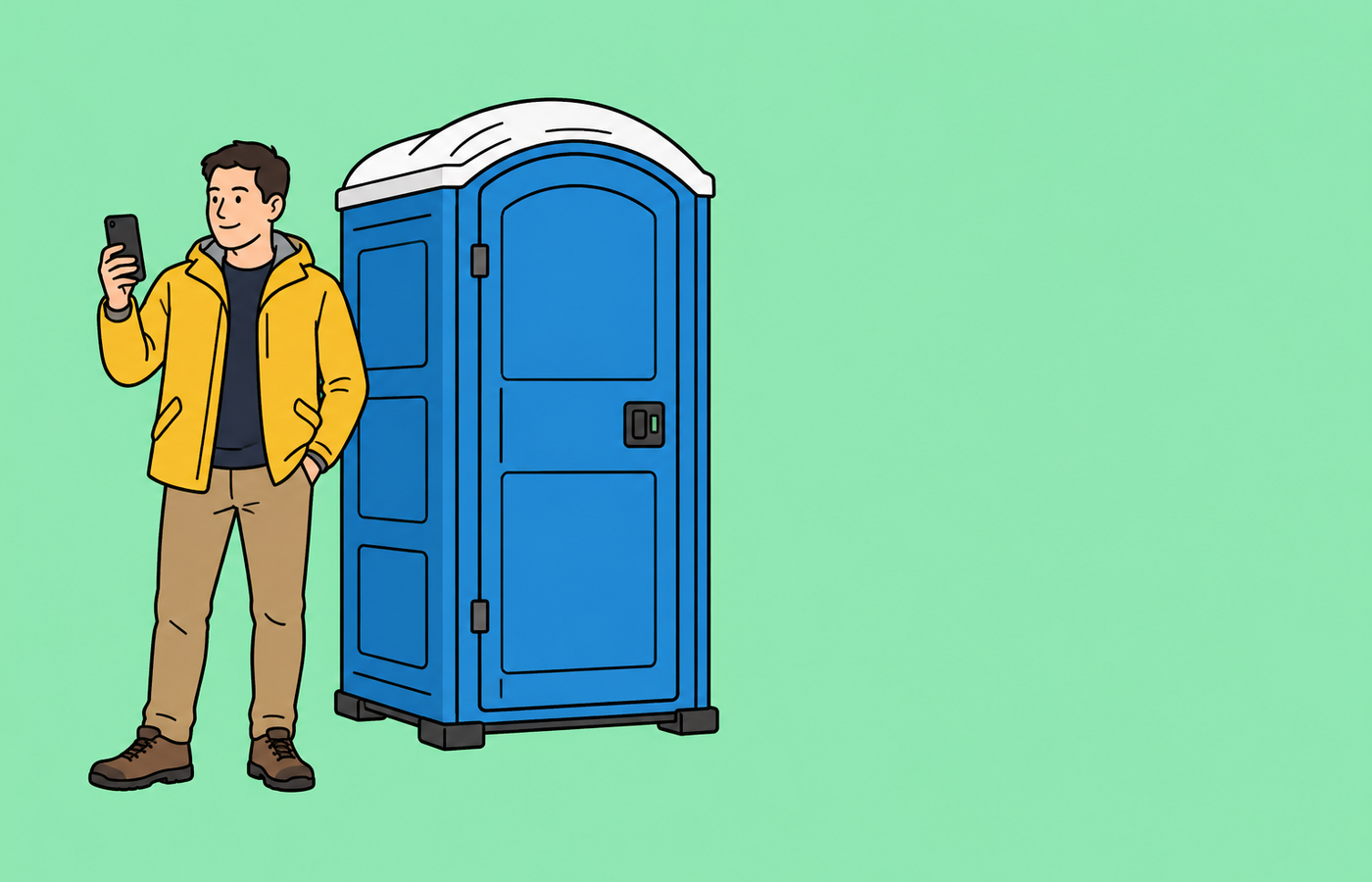
New York City will install 17 free modular public restrooms across the five boroughs. The doors open by text message, QR code, a dedicated app or a tap card, and each visit is limited to 10 minutes. The restrooms will be open daily from 7 a.m. to 10 p.m., are accessible to people with disabilities, and come with sinks, baby changing tables and heating and air conditioning. The one-year pilot program will cost about the same to install all 17 as it would to build a single public restroom the traditional way, according to the city.
Nearly everyone in New York City has ducked into a café and bought a cup of coffee just to use the restroom. Now the city is tackling the problem. Mayor Zohran Mamdani announced on Sept. 16 that the city will install 17 free modular public restrooms across the five boroughs, which will open in phases starting this month.
The restrooms will be operated by Throne Labs. The doors can be opened by text message, QR code, a dedicated app, or a tap card distributed through nearby stores and other locations. Each visit is limited to 10 minutes, after which the door opens following a brief grace period. The restrooms will be open daily from 7 a.m. to 10 p.m.
Sinks, Baby Changing Tables, Heating and Cooling, and Cleaning After a Set Number of Uses
The restrooms are accessible to people with disabilities and are free to use. They are equipped with a sink, a toilet, heating and air conditioning, and a baby changing table, and will be cleaned after a set number of uses. A system is also in place to respond right away when users report problems in real time. The city said the cost of installing these 17 restrooms is about the same as building one public restroom the old way.
Flushing and Bayside, both popular with Korean Americans, are not among the 17 sites. The Queens locations are concentrated in Astoria, Woodside and Jackson Heights. The area near Koreatown in Manhattan is also not on the list. Because this is a one-year pilot and any expansion will depend on the results, residents who want a restroom in their area may wish to share their views with their City Council member's office.
New York City has long been regarded as having far too few public restrooms for its population. The shortage is felt most by tourists, by delivery and construction workers who spend all day on the street, and by parents with young children. The city presented the project as an example of its approach of "solving things that directly affect daily life rather than offering big slogans."