
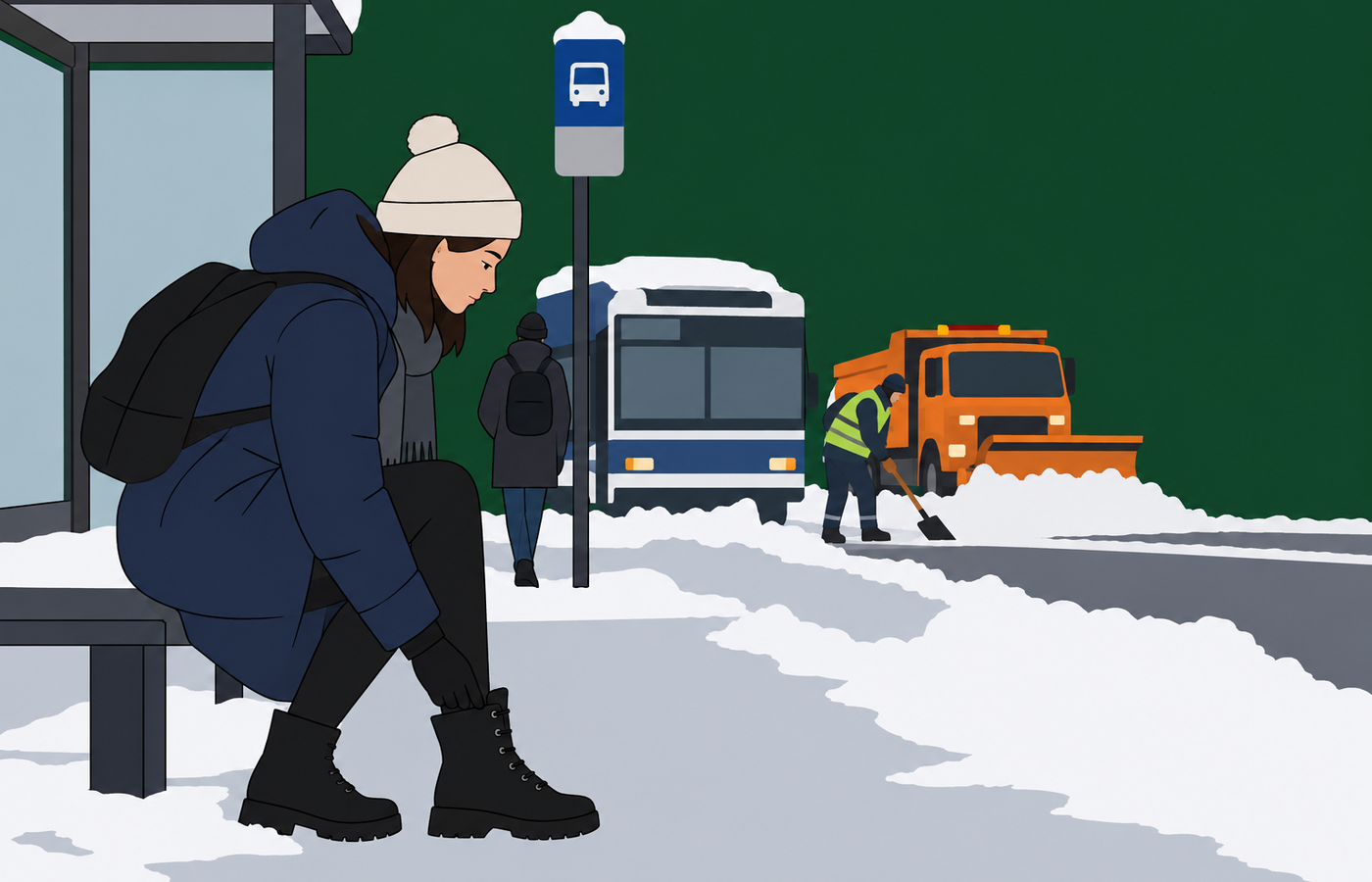
Mayor Zohran Mamdani announced on Monday, the 9th, that the city will spend $25 million on its cold-weather response this winter. The city will add street outreach workers for homeless New Yorkers, shelter beds and mobile medical teams, and will reorganize snow removal to focus on bus stops and crosswalks.
According to amNewYork, Mayor Zohran Mamdani announced Monday that he will use $25 million in city funds to expand the city's cold-weather response this winter. The plan includes several hundred more street outreach workers who seek out homeless people, 800 shelter beds for use in cold weather, and an expansion of mobile medical teams. The city will also add snow removal routes and equipment, with greater emphasis on clearing pedestrian areas such as bus stops and crosswalks.
The expansion applies to the Code Blue system, which triggers protective measures for homeless people when temperatures, including wind chill, fall to or below freezing (32 degrees Fahrenheit, 0 degrees Celsius). According to City Hall, more than 300 outreach workers will staff walking and vehicle routes across the five boroughs, covering 75% of the locations where homeless people are known to stay. They will approach anyone they encounter who needs help, rather than sticking to a predetermined list. NYC Health + Hospitals will deploy up to 55 mobile medical vehicles staffed by a nurse or nurse practitioner to provide care and transport people indoors to warming centers, hospitals and other locations. The city said it has secured more than 600 single and double rooms, which will provide 800 beds during the coldest stretches. However, the locations of these rooms, when they will be available, and how the $25 million will be divided among outreach, medical care and shelter have not been disclosed.
At the highest emergency level, the Department of Homeless Services (DHS) will operate four new warming centers and up to 20 warming buses, and all 11 NYC Health + Hospitals facilities will open as warming sites. Four syringe service providers will also extend their hours so people can use their spaces for warmth overnight. On the snow side, the Department of Sanitation (DSNY) added eight plow routes in steep areas of Staten Island, cutting the distance per route by more than 25%. Citywide, the department has obtained 120 snow blowers for use at bus stops and crosswalks, and has fitted 678 plows and salt spreaders with new blades that follow the road surface more closely. At a City Council oversight hearing on Monday, the 2nd, Sanitation Commissioner Gregory Anderson said about 20,000 corners, including those near transit hubs and busy intersections, have been designated as priorities for clearing, but he said he could not promise specific clearing times because snow conditions vary. According to City Hall, more than 3,000 people have signed up for the emergency snow removal workforce, and Mayor Mamdani announced in September that he is raising their base hourly pay from $19.14 to $30.
The measures follow last winter's casualties. According to amNewYork, as of mid-February, 19 people had been found dead outdoors in the cold and seven had died of hypothermia inside private residences. Not all of the outdoor deaths have been confirmed as caused by the cold. At a City Council hearing on Feb. 10, testimony indicated that police had determined that about 22% of the 2,679 Code Blue reports received from Jan. 19 to Feb. 8 did not require an emergency medical response, and council members questioned this. Meanwhile, the National Oceanic and Atmospheric Administration (NOAA) said in its October outlook that a strong El Niño makes it likely that much of the East will be warmer and wetter than normal, but it did not forecast snowfall.
This plan is New York City policy and does not apply to New Jersey. Because the street outreach workers and snow removal equipment cover the five boroughs and the entire city, residents who live in or commute through the city, including in Queens, may be affected by the stepped-up snow removal at bus stops and crosswalks.