
This year, Thanksgiving falls on Thursday, Nov. 26. The date changes every year, but this one is special. It lands on the very day, 237 years ago on Thursday, Nov. 26, 1789, that President George Washington set aside as the first national day of public thanksgiving under the new Constitution.
This year, Thanksgiving falls on Thursday, Nov. 26. The date changes every year, but this one is special. It lands on the very day, 237 years ago on Thursday, Nov. 26, 1789, that President George Washington set aside as the first national day of public thanksgiving under the new Constitution. Beyond that, 2026 marks the 250th anniversary of the Declaration of Independence, and the Macy's Thanksgiving Day Parade in Manhattan steps off for the 100th time.
With three milestones converging, this Thanksgiving invites us to ask again what the holiday is for: what we are thankful for, with whom we share it, and which memories we should carry with us. New York and New Jersey sit at the center of that question.
New York, 1789: A National Holiday Born of Gratitude for a Constitution
When the new federal government began in 1789, New York City was the first capital, and Congress met at Federal Hall on Wall Street. That September, New Jersey Rep. Elias Boudinot introduced a resolution asking the president to designate a national day of thanksgiving, and Congress approved it.
On Oct. 3, Washington issued a proclamation naming Nov. 26 a "day of public thanksgiving and prayer." The document is signed from "the City of New York," and the National Archives and Records Administration (NARA) says it was most likely signed at Federal Hall, where Congress was then sitting. The proclamation did not give thanks for a good harvest. It gave thanks for the peace that followed the Revolutionary War and for the fact that the people had been able to establish, peacefully, a government for their own safety and happiness. From the start, Thanksgiving was a civic holiday.
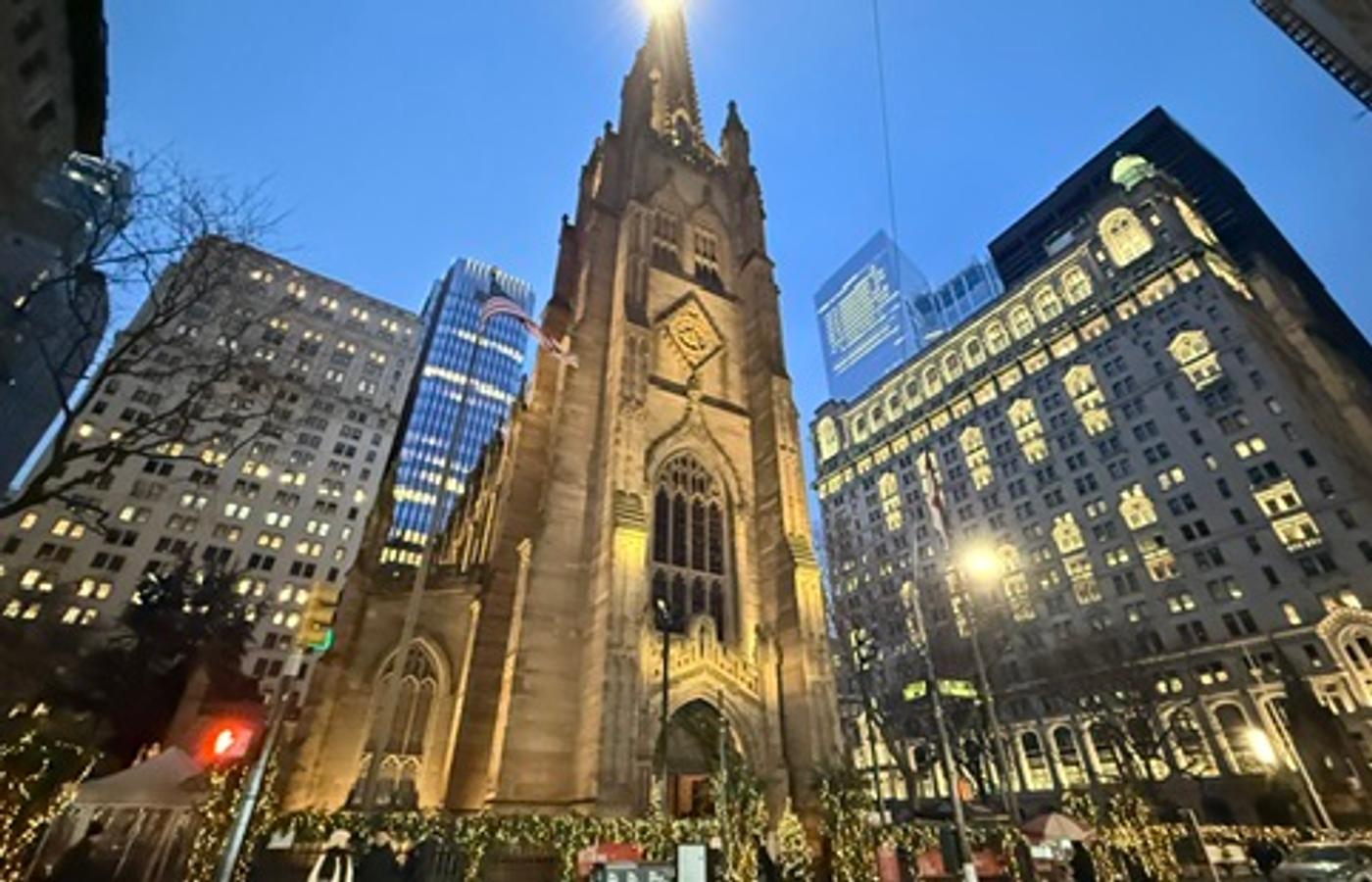
Washington himself attended services that day at St. Paul's Chapel in Lower Manhattan and sent beer and food to New Yorkers jailed for debt. On the first day of thanks the nation ever set aside, the president's first thought was for those at the very bottom of society, a detail worth pondering even 237 years later. St. Paul's Chapel still stands on the same spot.
Plymouth, 1621: Between Fact and Myth
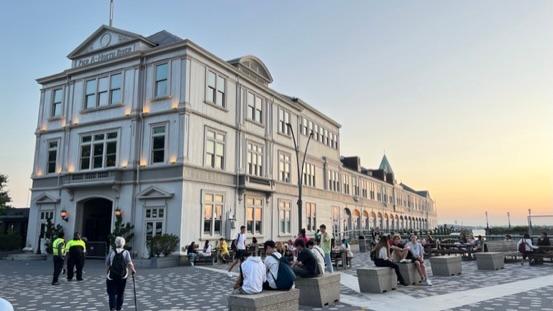
The scene most often cited as the origin of Thanksgiving is set in Plymouth, Massachusetts. The Pilgrims, who sailed on the Mayflower, arrived there in late 1620. In the fall of 1621, about 50 survivors of a brutal first winter held a feast to celebrate their first harvest. Wampanoag leader Massasoit (Ousamequin) joined them with about 90 men, who by record brought five deer, and the groups shared food for three days.
The settlers, however, did not call the feast "Thanksgiving." For them, a day of thanks was a religious observance built around fasting and prayer. The 1621 feast became the "first Thanksgiving" only much later. Since 1970, Native Americans have gathered every year at noon on Thanksgiving at Cole's Hill, which overlooks Plymouth Rock, to observe the National Day of Mourning. In this 250th anniversary year, the table of thanks and the hill of mourning deserve to be remembered together as two faces of the same history.
New Netherland's Days of Thanks, and Lenape Land
New York and New Jersey have thanksgiving records that are older still. Authorities in the Dutch colony of New Netherland proclaimed a day of thanks ("dankdag") whenever something significant happened. In 1645, the government of Director Willem Kieft set Sept. 6 as a colony-wide day of thanks to celebrate peace with Native Americans, and his successor, Peter Stuyvesant, likewise proclaimed days of thanks, including in August 1654 and March 1662.
Yet the "peace" of 1645 followed Kieft's War (1643–1645), which lasted more than two years. The fighting, in what is now Manhattan, Staten Island and the Hackensack area of New Jersey, devastated Native communities in the region, including the Lenape. The thanksgiving tradition of New York and New Jersey thus carried both relief at peace and the wounds of war from the beginning.
Gratitude in the Midst of War: 1777 and 1863
Thanksgiving was called upon again in some of America's hardest times. In October 1777, the Continental Army accepted the surrender of British forces at Saratoga, New York. In a Nov. 1 proclamation, the Continental Congress then set Dec. 18 as a national day of thanksgiving, the first observed by all 13 states. Washington's army marked the day at Gulph Mills, Pennsylvania, and set out the next day for its winter camp at Valley Forge. New Jersey, known as the "Crossroads of the American Revolution," hosted the Morristown winter encampment and the battles of Trenton, Princeton and Monmouth around this time.
On Oct. 3, 1863, in the midst of the Civil War, President Abraham Lincoln proclaimed the last Thursday of November a national day of thanksgiving. The proclamation was the fruit of a long petition campaign by Sarah Josepha Hale, editor of the women's magazine Godey's Lady's Book. By coincidence, it was the same Oct. 3 as Washington's proclamation. In 1939, President Franklin D. Roosevelt moved the date up a week to lengthen the holiday shopping season, which left states celebrating on different days. In 1941, Congress fixed the "fourth Thursday of November" as a legal public holiday, and Roosevelt signed the resolution on Dec. 26 that year.
The 100th Parade and the Garden State's Table
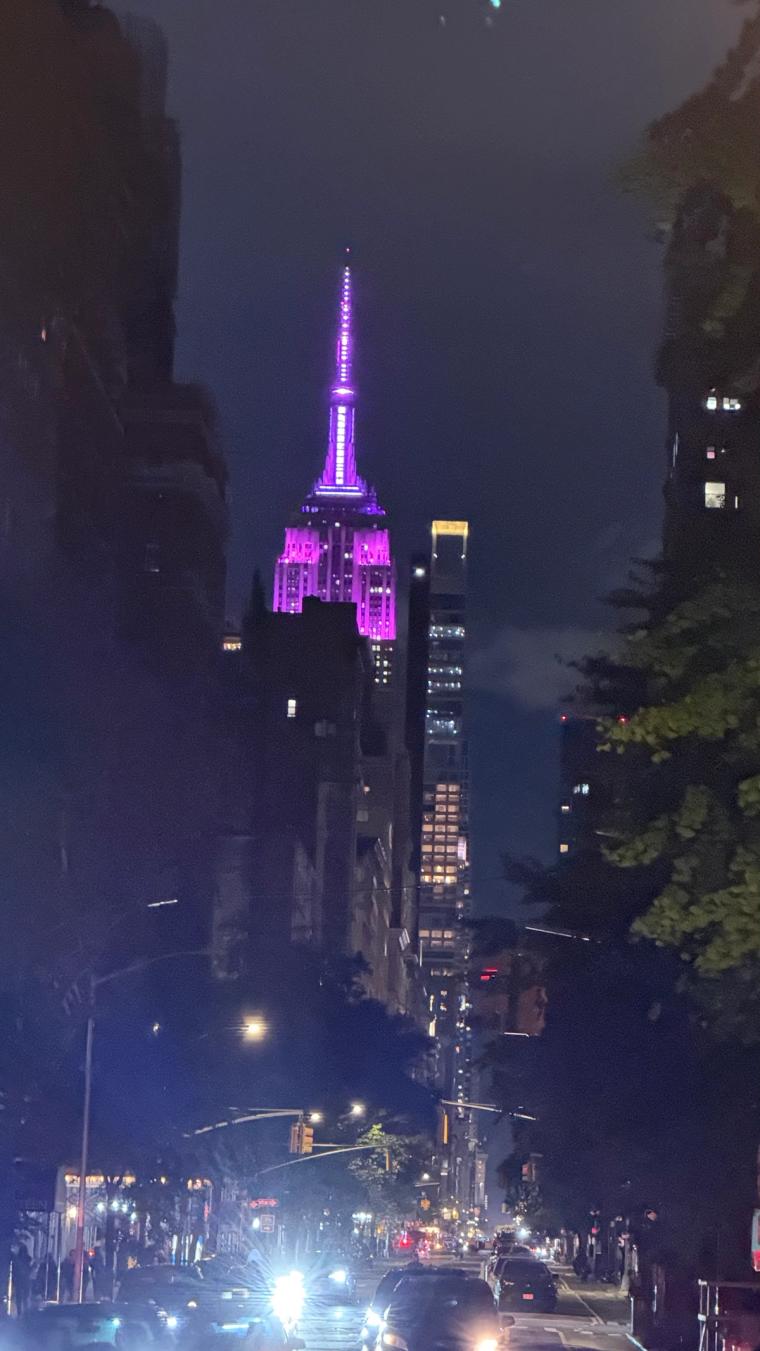
The Macy's Thanksgiving Day Parade began in Manhattan in 1924. It was suspended for three years during World War II, from 1942 to 1944, so this year's parade, 102 years after the first, is only the 100th. It starts at 8:30 a.m. on Nov. 26. Over a century, through the wartime suspension and a scaled-down 2020 during the pandemic, the parade has become one of the ways New York celebrates the simple act of gathering together.
The agriculture of New Jersey, the Garden State, is also tied to the Thanksgiving table. New Jersey is one of the country's leading cranberry producers, and all of the state's commercial cranberries are grown in the Pinelands (Pine Barrens) region of the south. Production reached about 58.8 million pounds in 2021, and the state ranks third or fourth nationally from year to year. The "rubies of the Pinelands," nurtured by its acidic sandy soil and wetlands, end up on tables across the East Coast.
What Thanksgiving 2026 Should Leave Us With
This 250th-anniversary Thanksgiving leaves three questions. First, what are we thankful for? In 1789, Washington's proclamation gave thanks less for a good harvest than for the people's ability to establish a government peacefully. Citizens with differing views building one community was itself reason for gratitude.
Second, with whom do we share it? Just as the president looked after the tables of imprisoned debtors on the first national day of thanks, gratitude means the most when it reaches those in the shadows first. Food banks, churches and community groups across New York and New Jersey do the same every year at this time.
Third, whose memory is missing? The Wampanoag of Plymouth, the Lenape of Manhattan and New Jersey, and the many immigrants who spent their first Thanksgiving in a new land: this holiday cannot be contained in a single story. We hope this year's Thanksgiving, falling on the same date as 237 years ago, will be remembered as more than a day of turkey and parades, a day to relearn how to live together.