
Installation artist Do Ho Suh will present "I dream in another language" at the Guggenheim Museum in New York from Feb. 19 to Aug. 1, 2027. It is his first major solo exhibition at a New York museum, featuring more than 50 works, including a new piece that recreates, at full scale, the Chelsea apartment where he lived for nearly 20 years. The piece will be shown publicly for the first time anywhere in the world. We previewed the retrospective currently on view at the National Museum of Modern and Contemporary Art (MMCA) in Seoul.
Do Ho Suh (64), the artist who builds houses out of fabric, is returning to New York. The Guggenheim Museum announced on the 9th that it will present his solo exhibition "I dream in another language" from Feb. 19 to Aug. 1, 2027. It is the first large-scale solo show at a New York museum to examine his body of work in depth.
The main attraction is the new work "Rubbing/Loving: Apartments A and B, 348 West 22nd Street, New York" (2014–2026). The installation recreates at full scale the Chelsea, Manhattan, apartment where Suh lived and worked for nearly 20 years, and visitors can walk inside it. The work will be unveiled at the Guggenheim for the first time anywhere in the world.
A Chelsea Garden-Level Home, Rubbed onto Paper
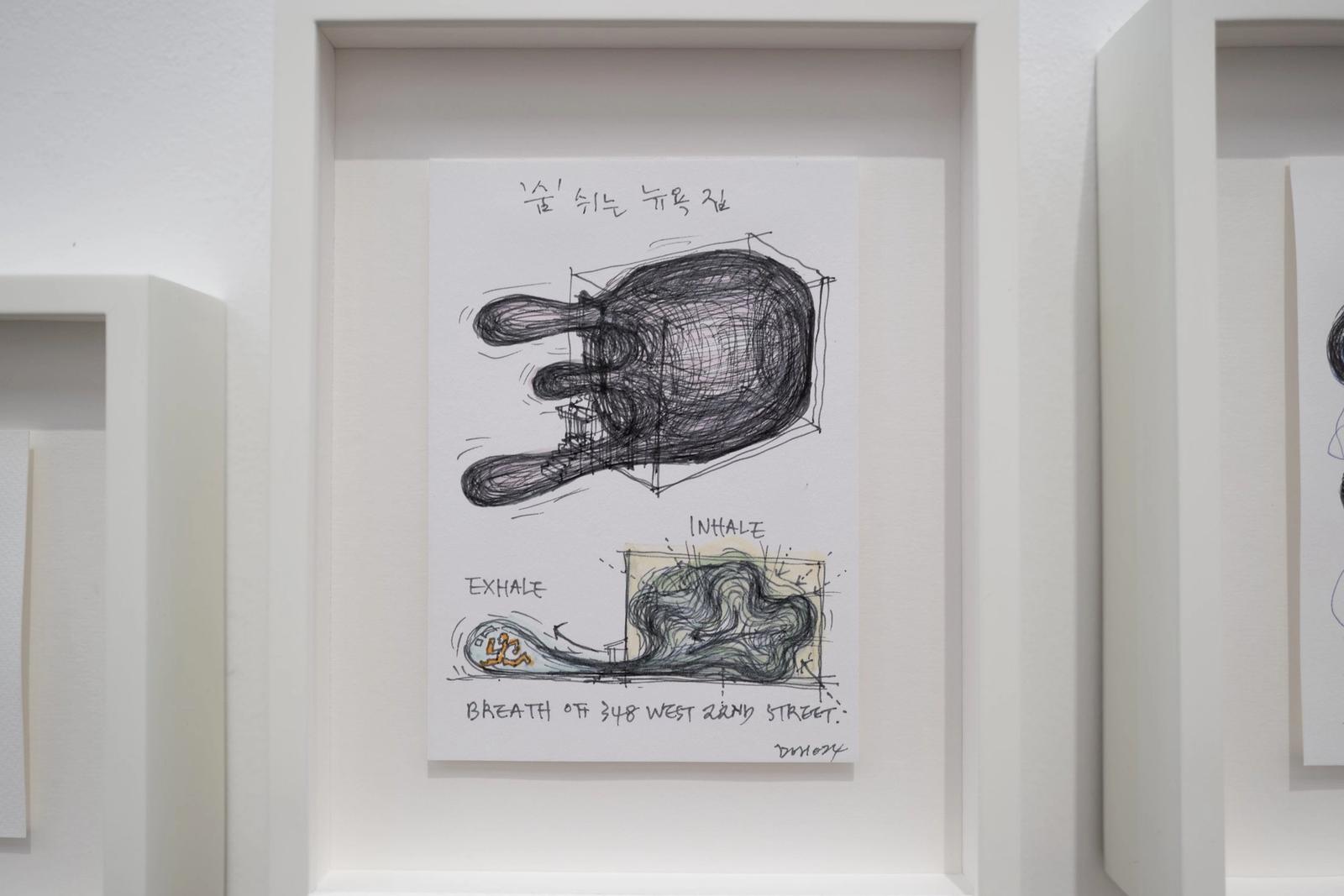
The Guggenheim sits on Fifth Avenue on Manhattan's Upper East Side, but the starting point of this exhibition is Chelsea. In 1997, Suh rented a garden-level studio apartment in a building there, and it became the longest he has ever lived in one home. Over many years, he covered the interiors of the two apartments where he lived and worked with paper, then rubbed them with pastels and colored pencils, transferring every trace of the walls, doors, electrical switches and moldings.
"In 1997, I began renting a garden-level studio apartment in Chelsea. It is still the longest I have ever lived in one home," the artist said through the Guggenheim. "I am deeply moved to show, for the first time, a work made by taking an impression of the inside of that building, in a city I called home for so long. New York is a place that sharpened many of my thoughts, and I will always be indebted to this city."
Kyung An, curator at the Guggenheim's Asian Art Initiative, who organized the exhibition, described "Rubbing/Loving" as "a work about arrival and departure, love and mourning," and "a love letter to New York."
About 50 Works, from a Dog-Tag Suit of Armor to Passageways of Fabric
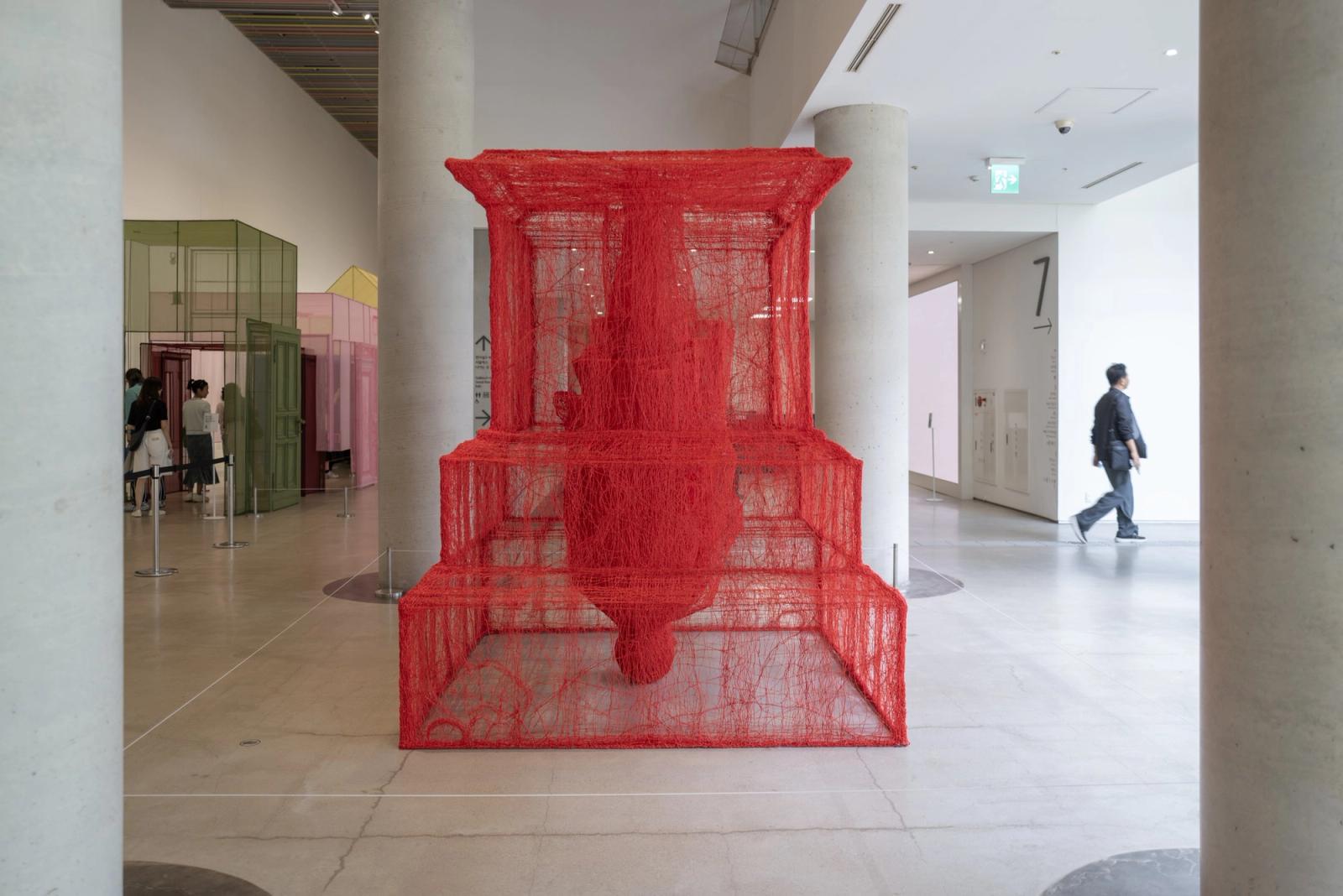
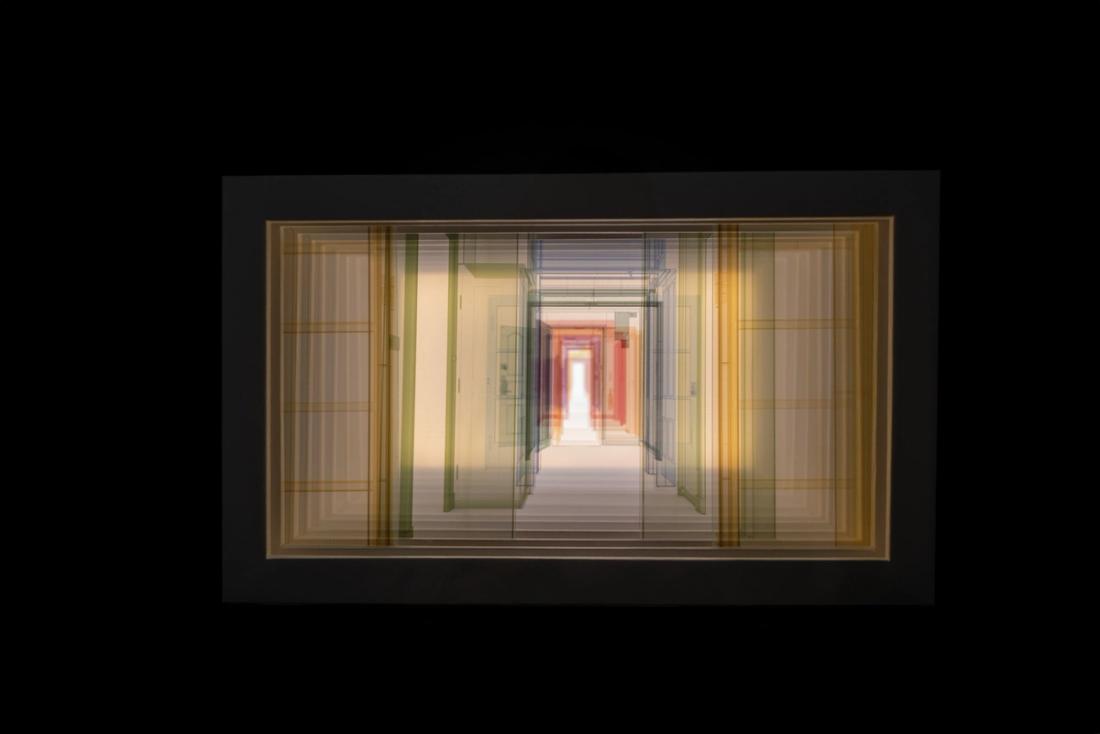
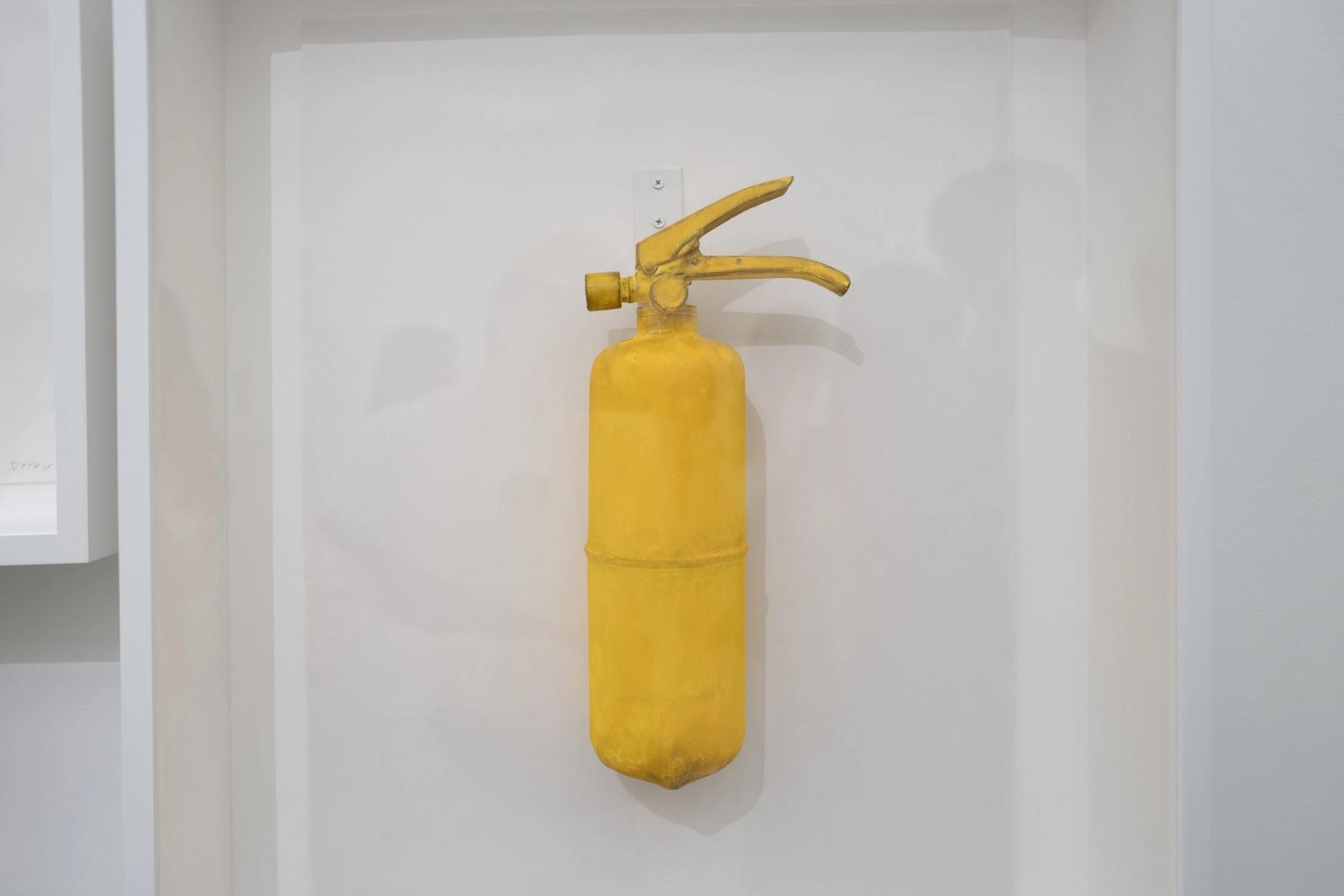
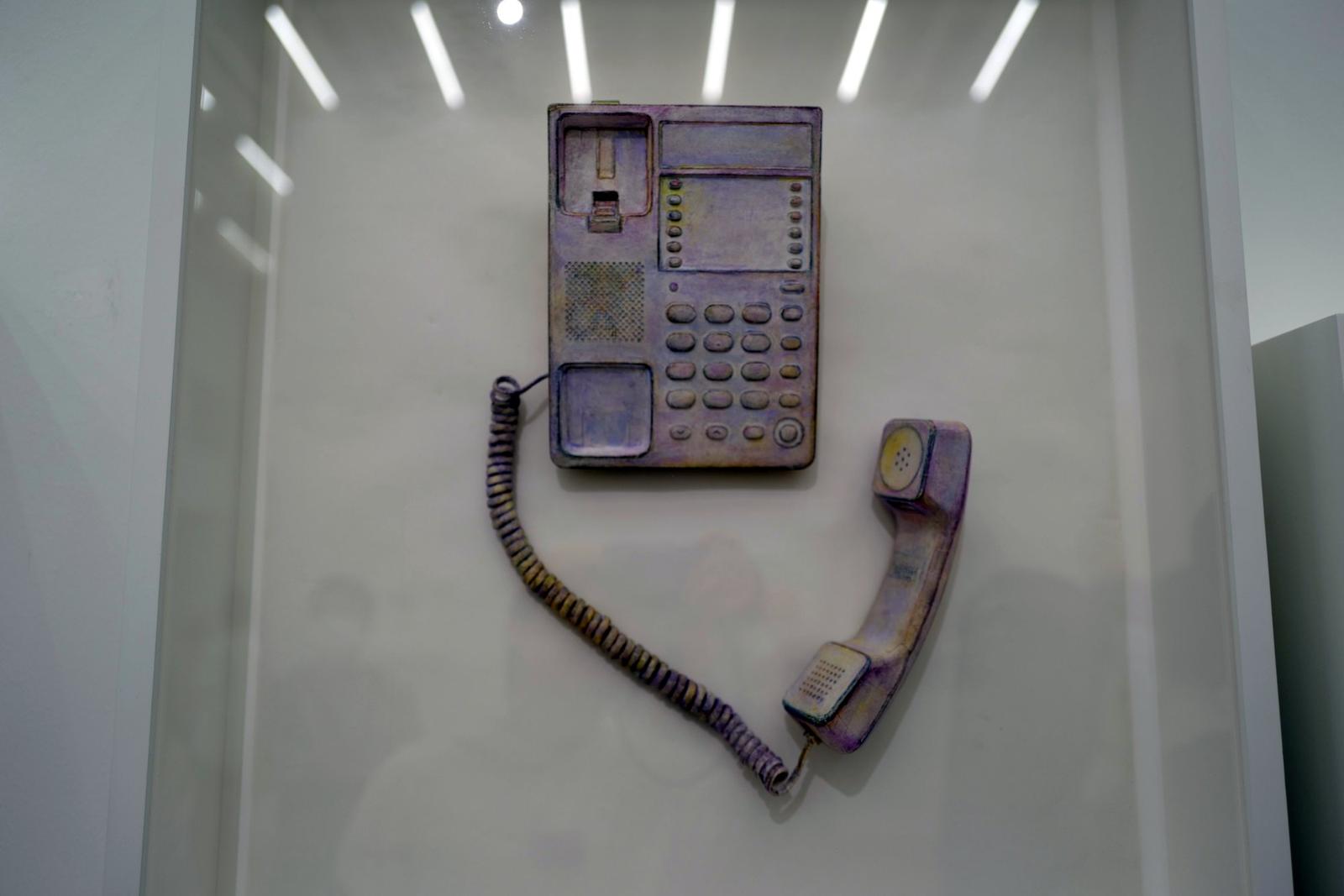
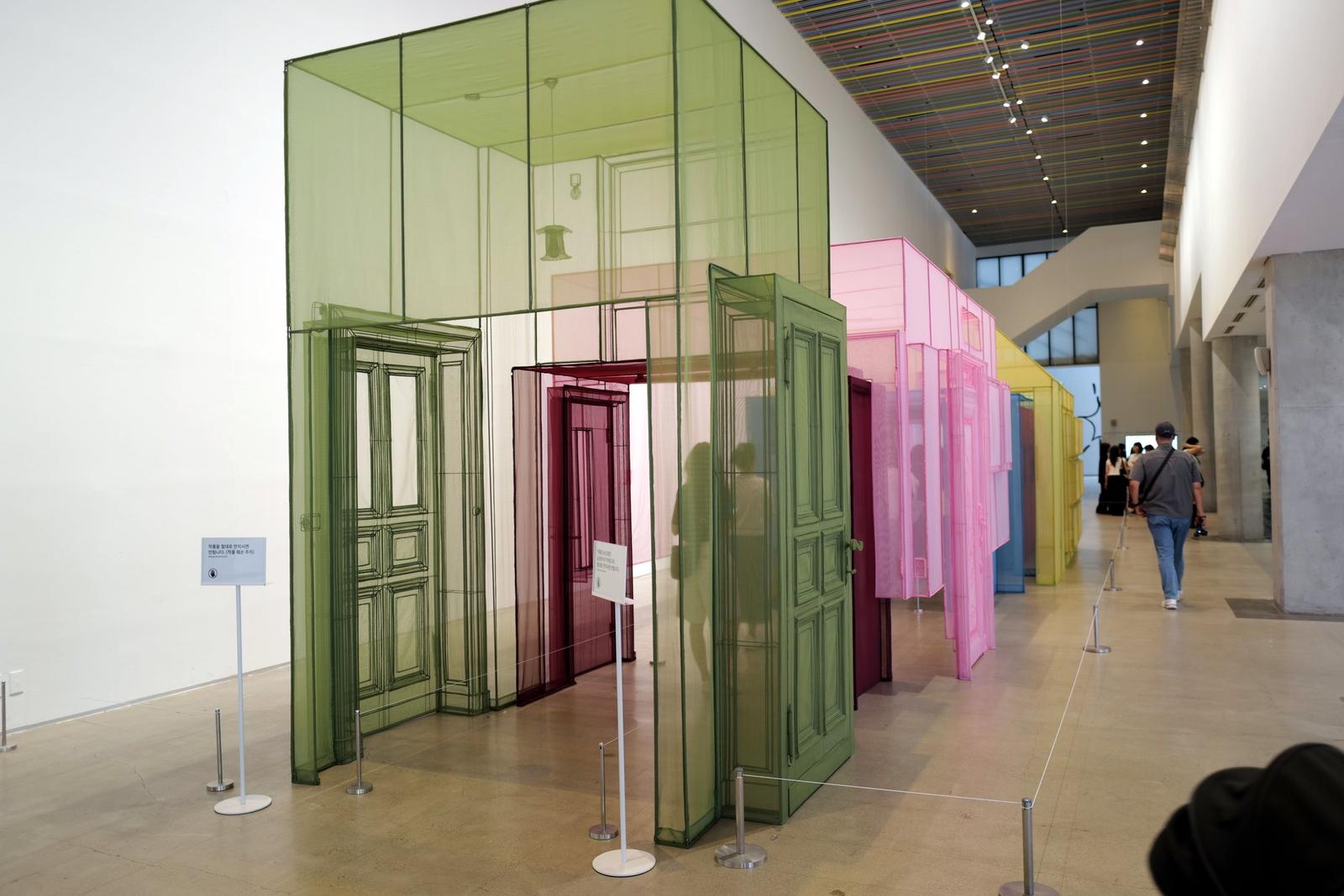
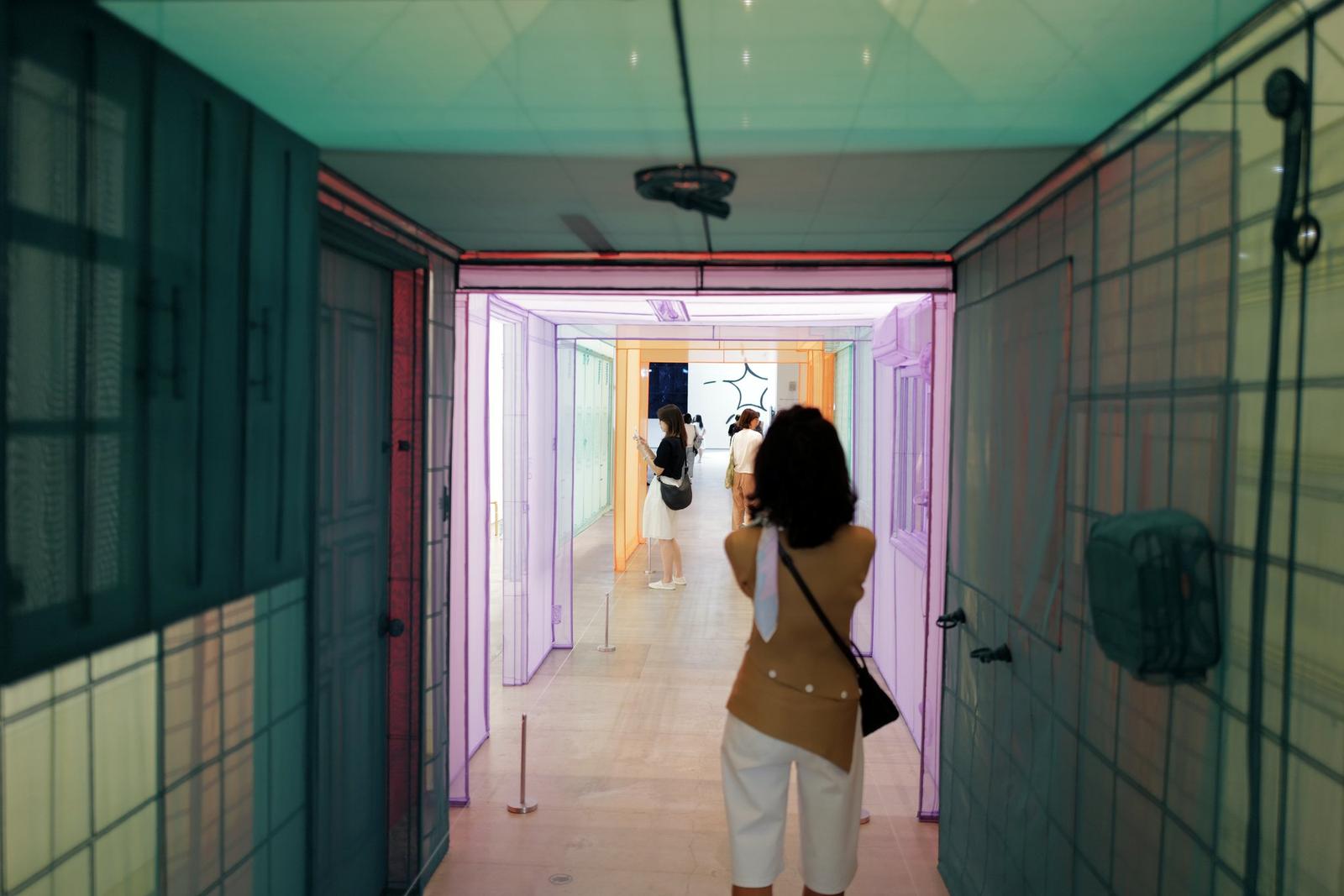
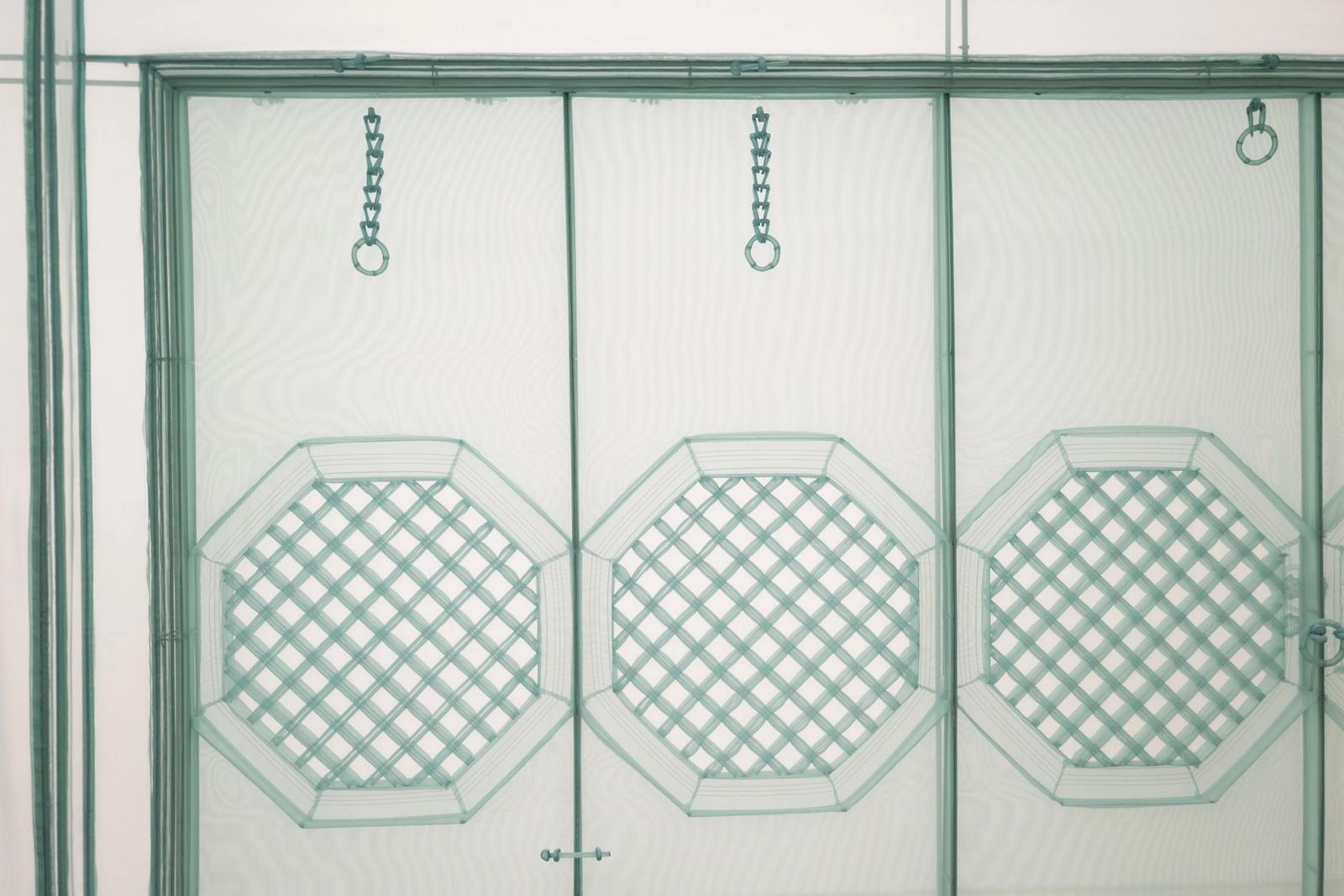
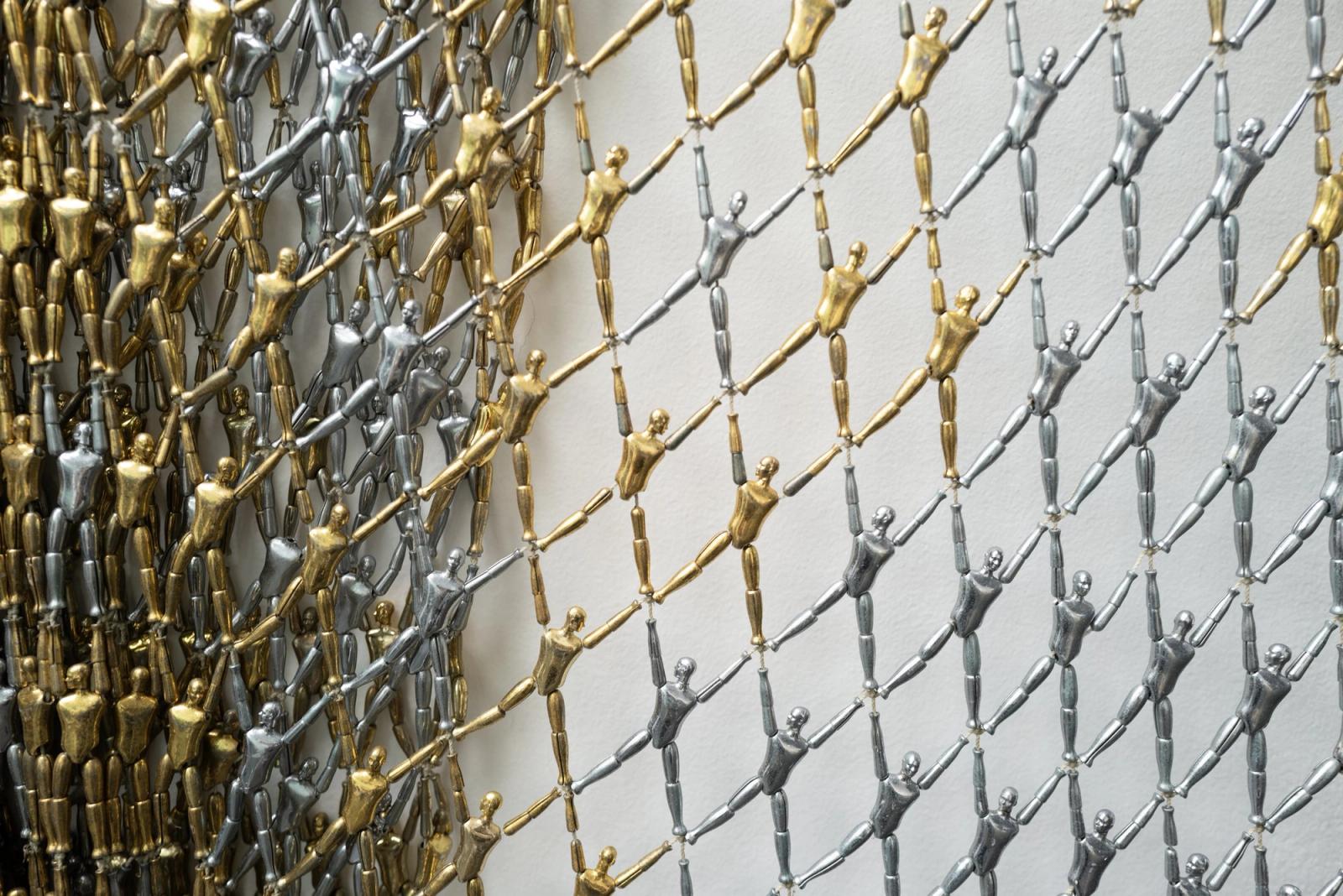
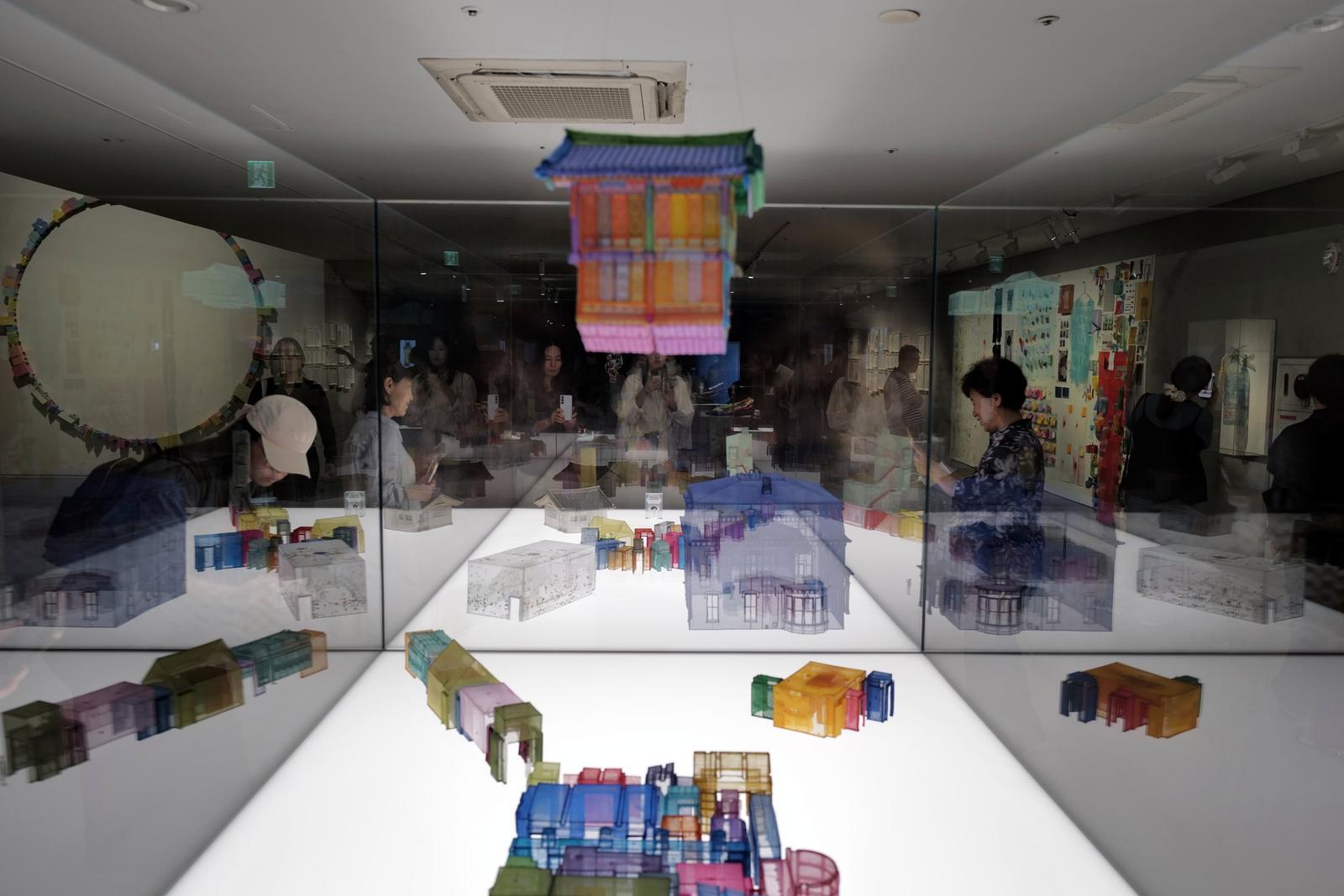
The exhibition will include more than 50 works, both existing pieces and new ones, drawn from loans and the Guggenheim's collection. Highlights include "Some/One" (2004), a huge suit of armor made of thousands of military dog tags joined together; the "Hubs" series (2011–), which recreates in translucent fabric the hallways and entrances of homes and studios where the artist has lived, joined together; and recent works from the "Fatherhood" series (2011–), which deals with how memory is passed down across generations.
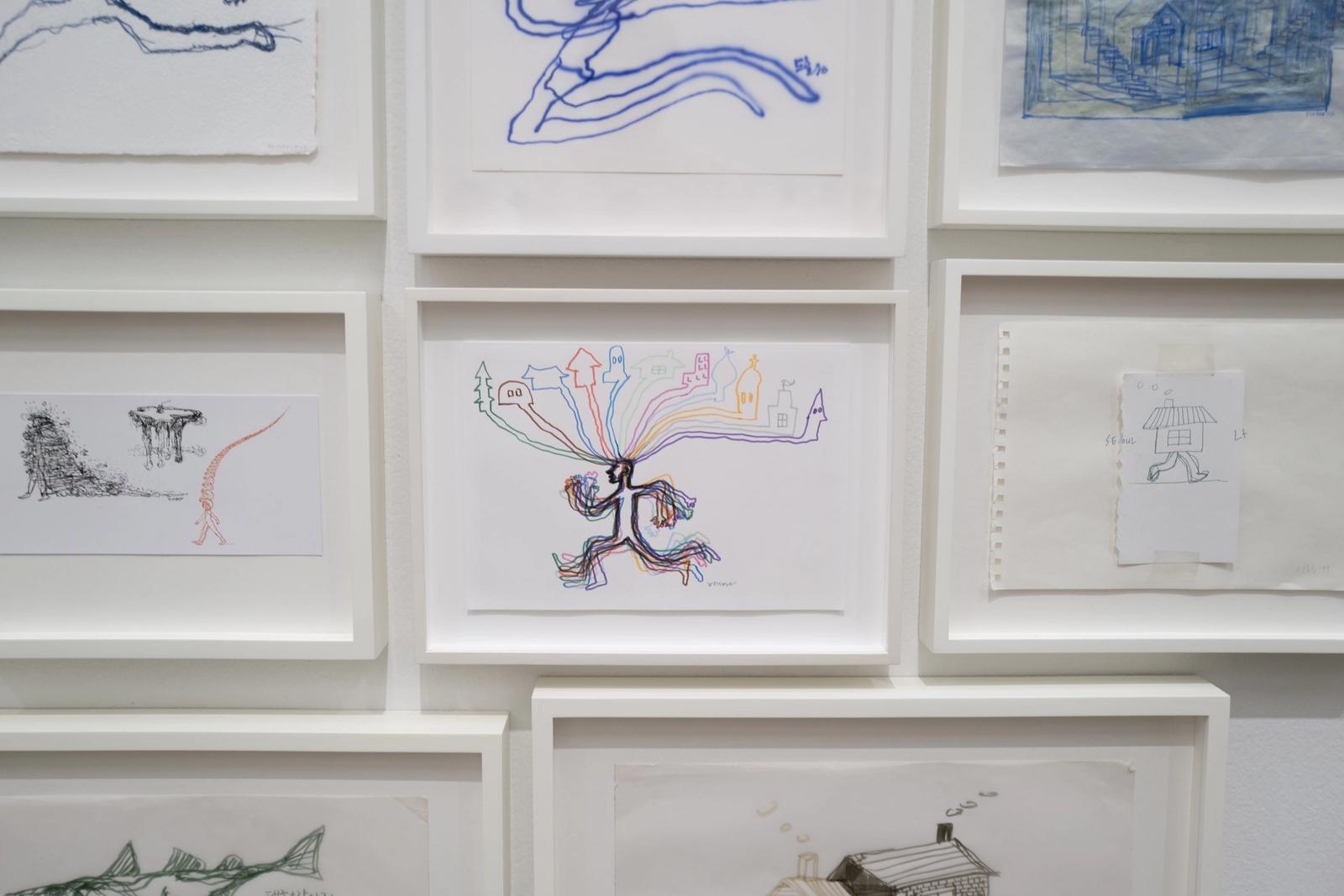
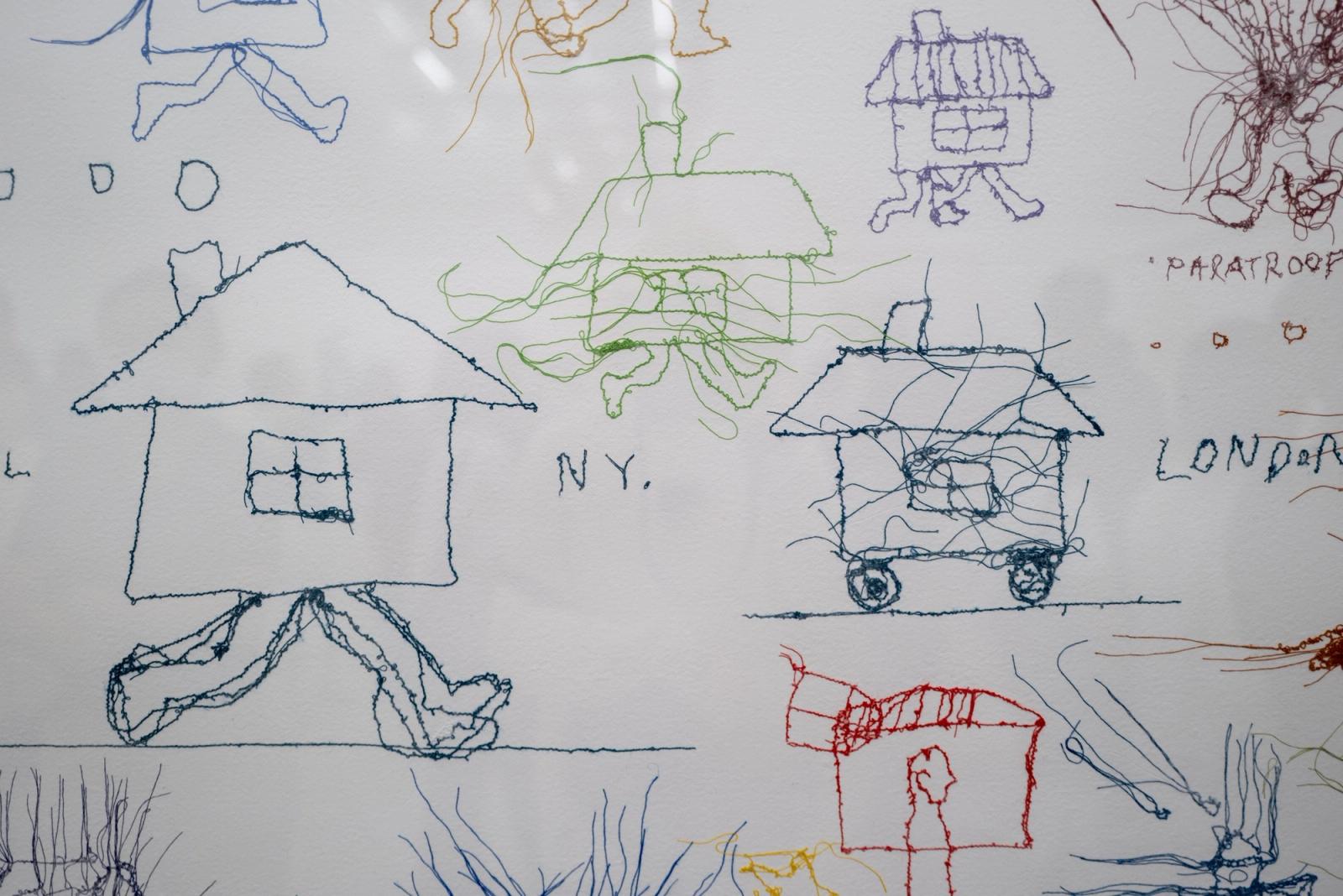
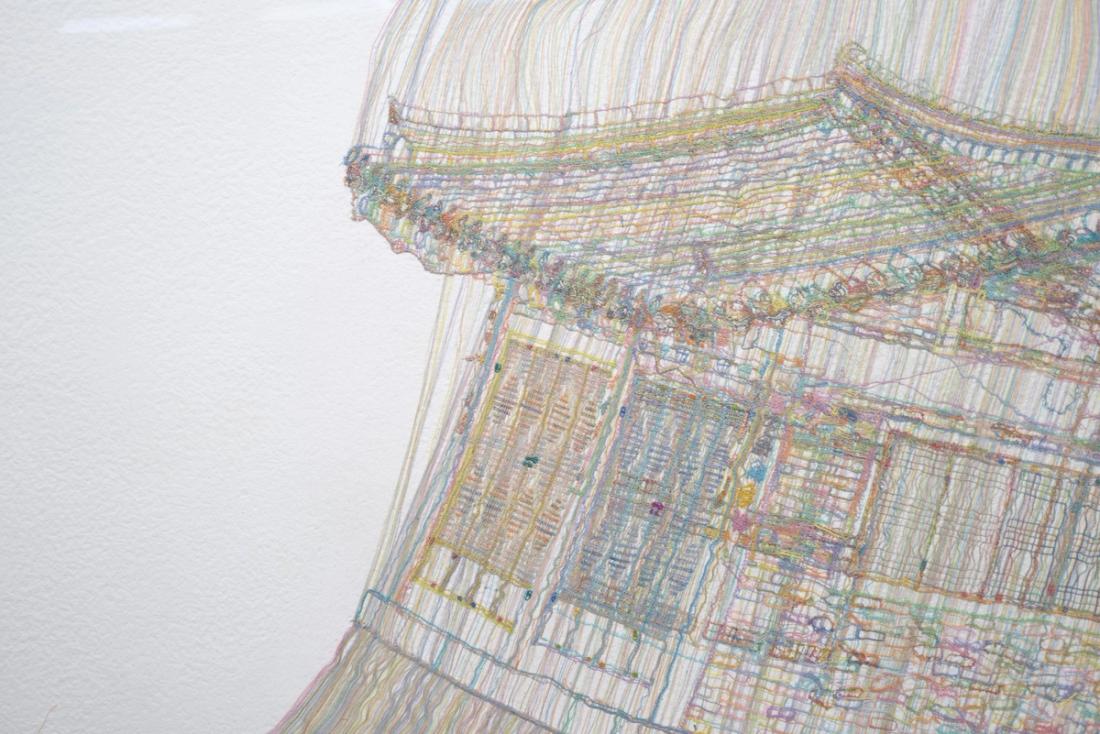
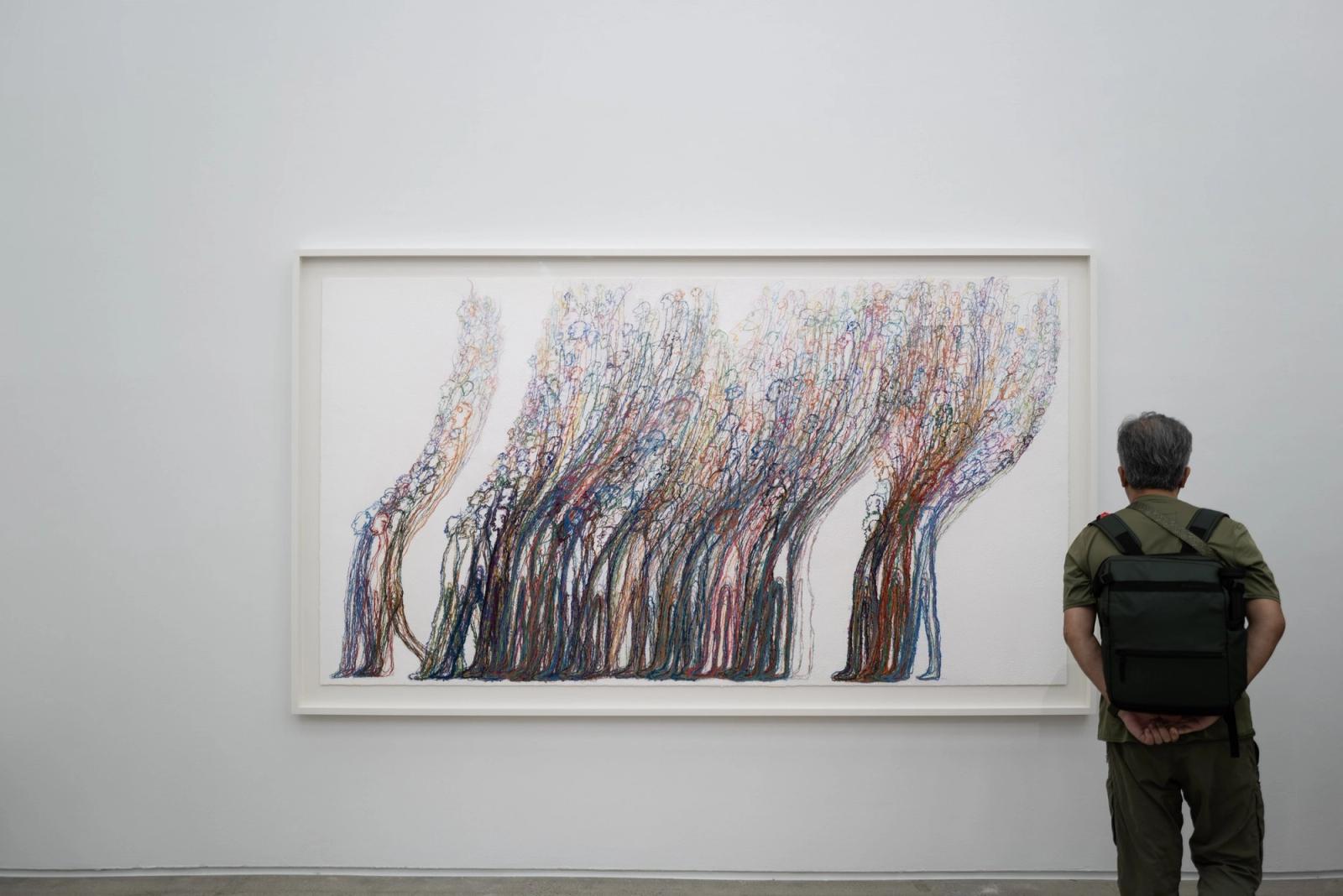
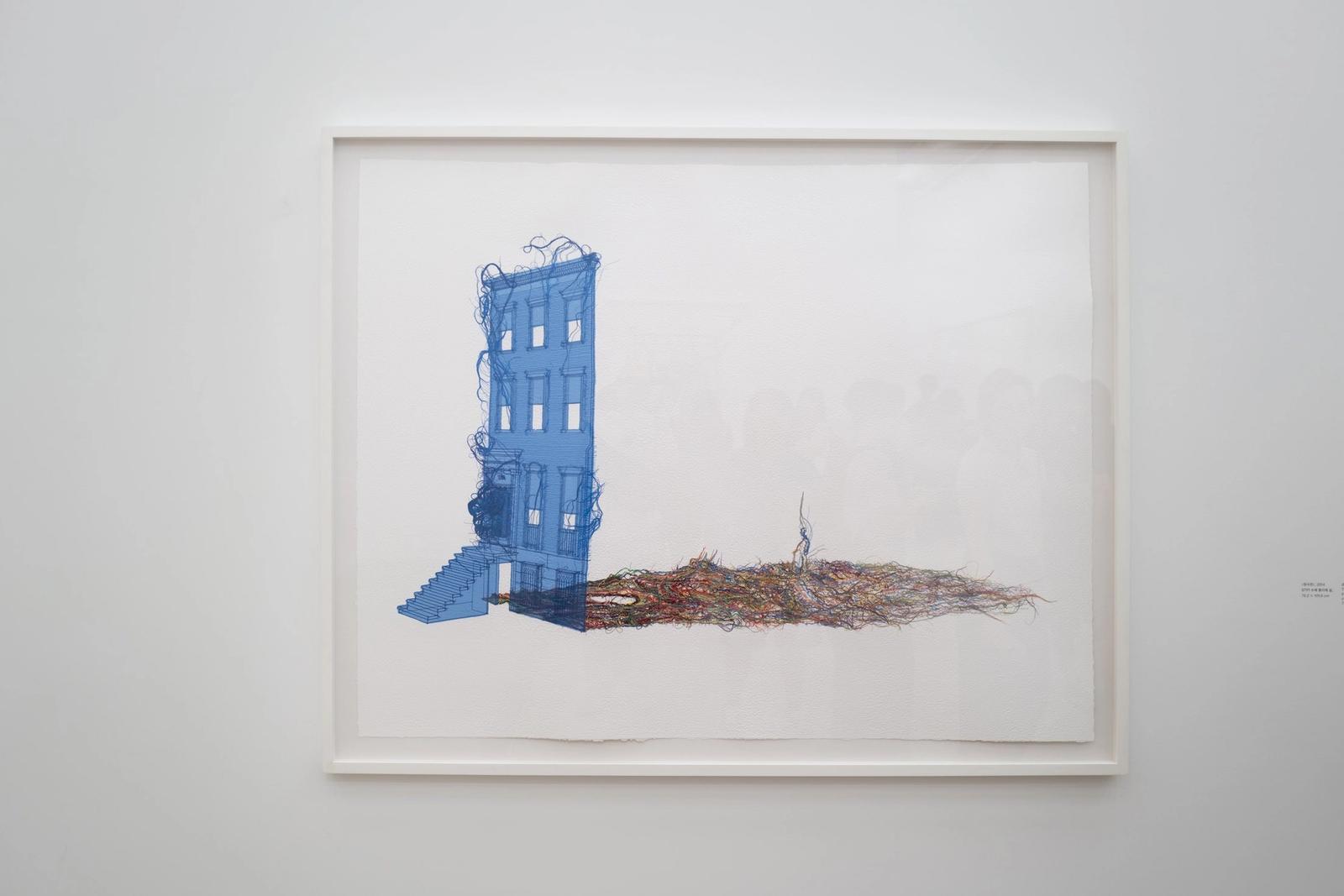
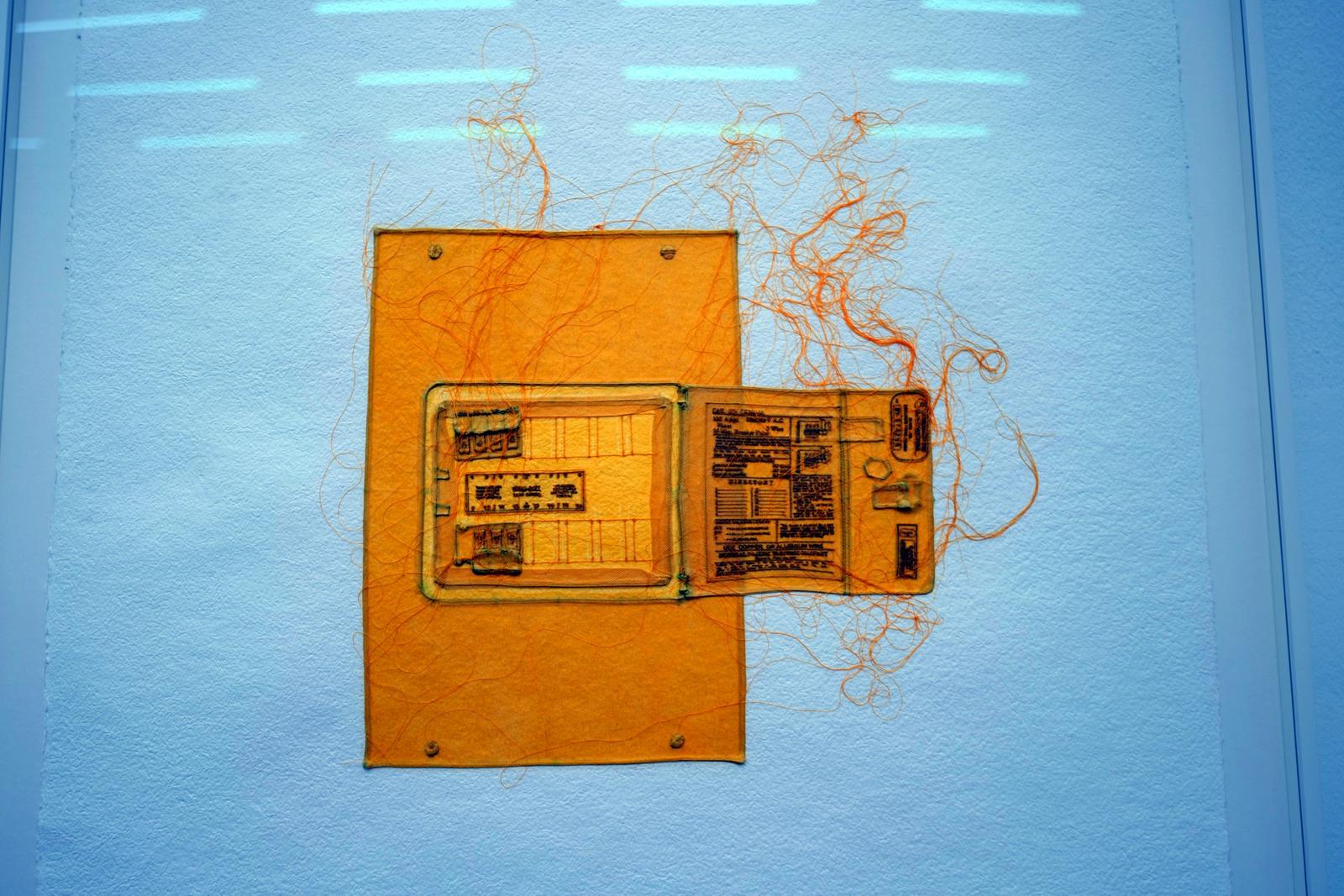
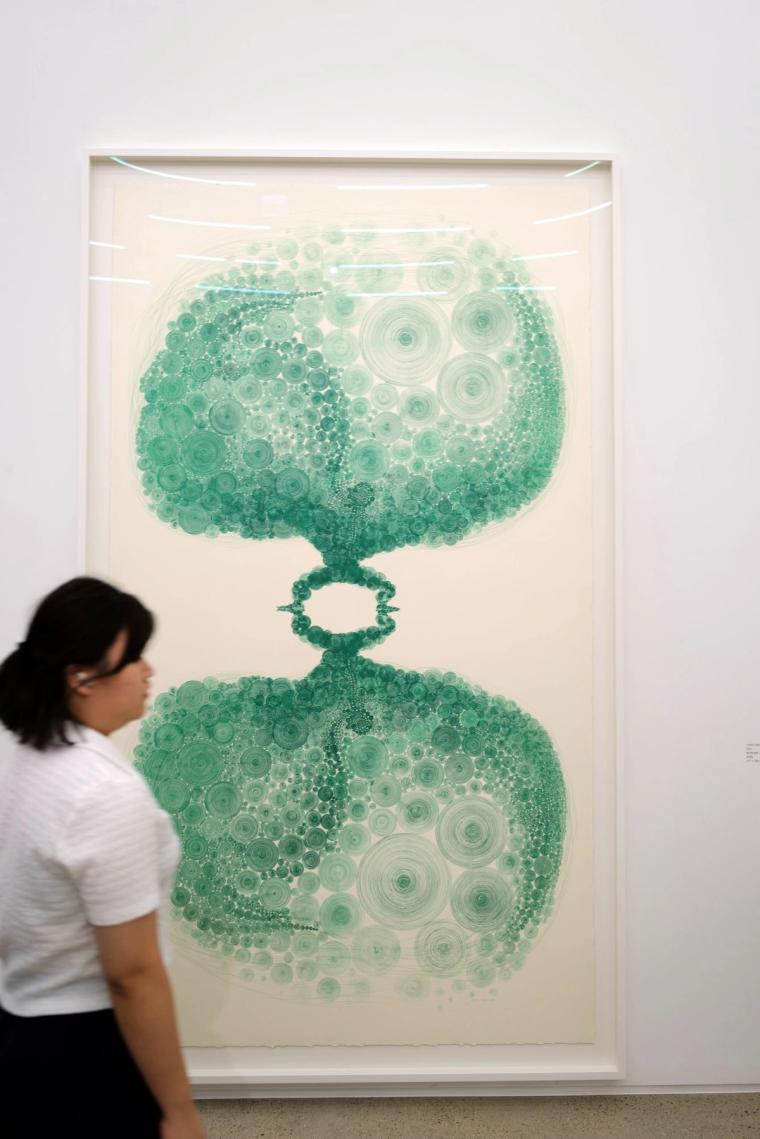
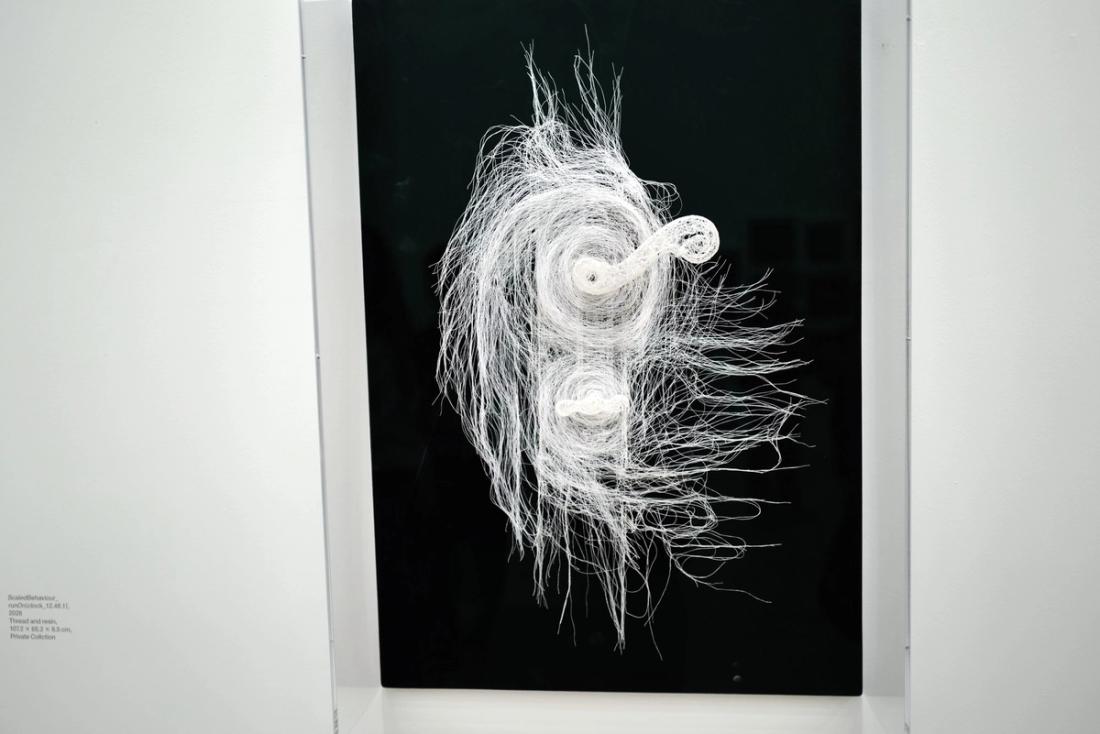
Drawings will also hang throughout the four galleries. They are made with Suh's signature technique, in which lines embroidered in thread on water-soluble paper are transferred into wet paper pulp so that the thread becomes embedded in the paper. The Guggenheim will also publish a catalogue with scholarly essays, a short story and writings by the artist.
Guggenheim Director Melissa Chiu said, "As an extension of the Asian Art Initiative we began 20 years ago, we are introducing the singular artist Do Ho Suh," adding, "His work, which explores memory, identity and belonging, is a model of the kind of international artist the Guggenheim champions." The Samsung Foundation of Culture is the lead sponsor of the exhibition.
A Retrospective Seen First in Seoul
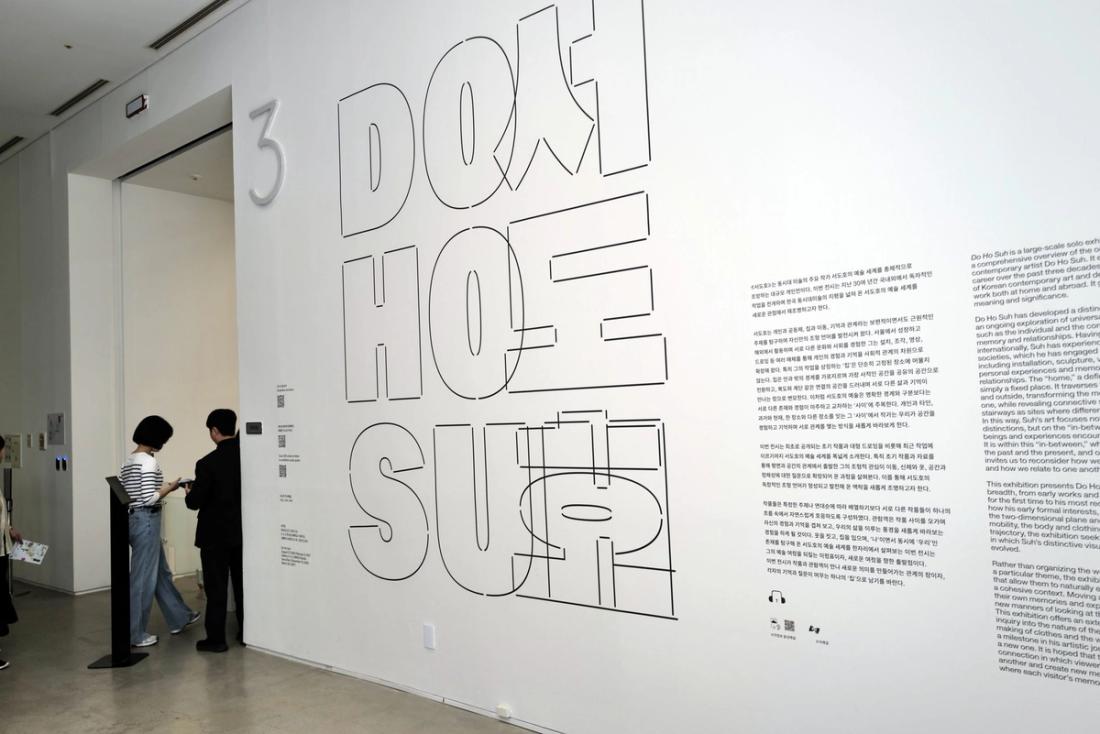
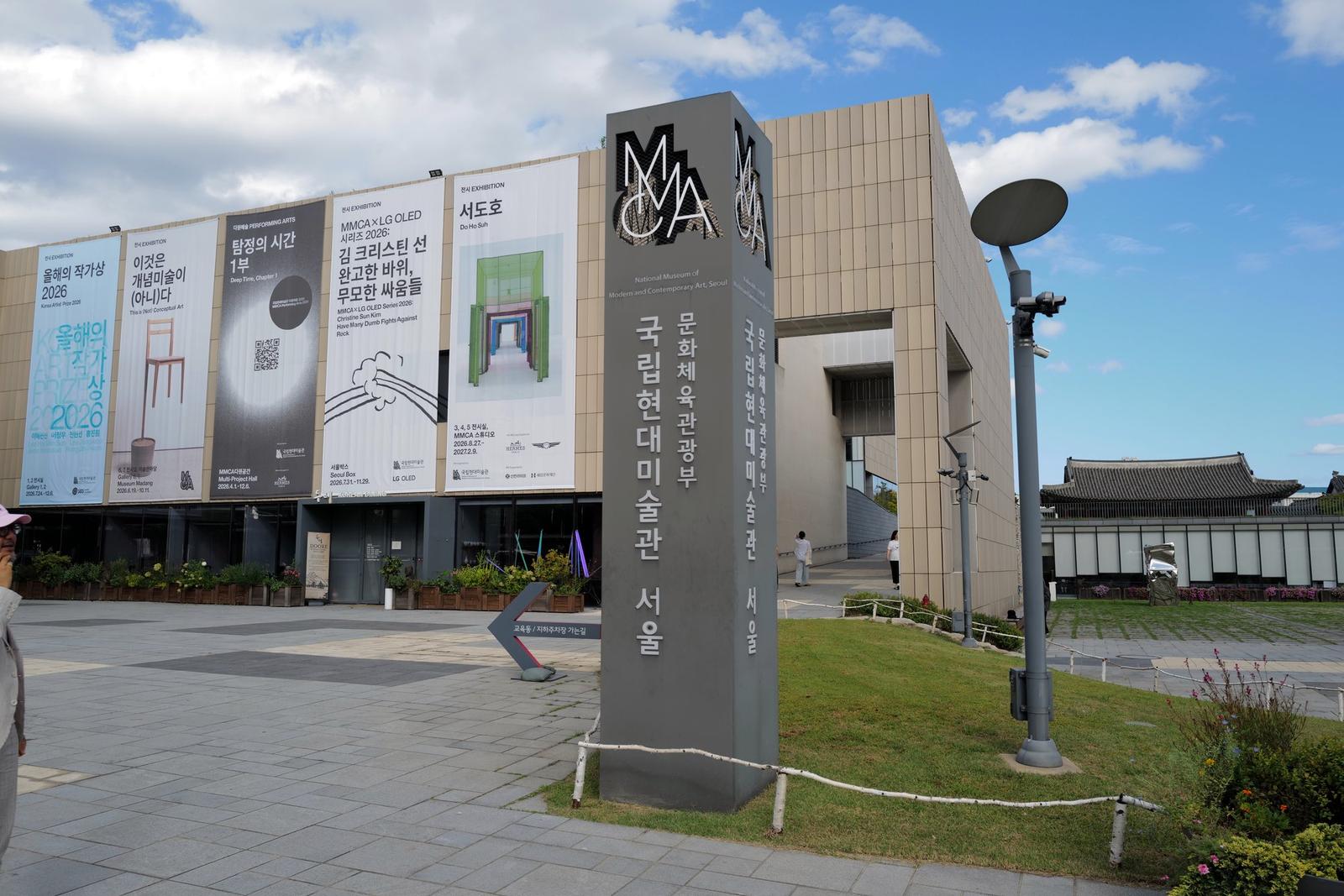
Ahead of the New York show, his largest solo exhibition in Korea is now on view in Seoul. MMCA Seoul opened the Do Ho Suh exhibition on Aug. 27. Running through Feb. 9 next year, it features more than 500 drawings, sculptures, videos and installations, from early works made in his college years to signature pieces and ongoing projects. On Wednesday, Sept. 9, a weekday afternoon when our reporter visited, a long line still stretched in front of the ticket booth, and the exhibition was operating on a reservation system with hourly time slots.
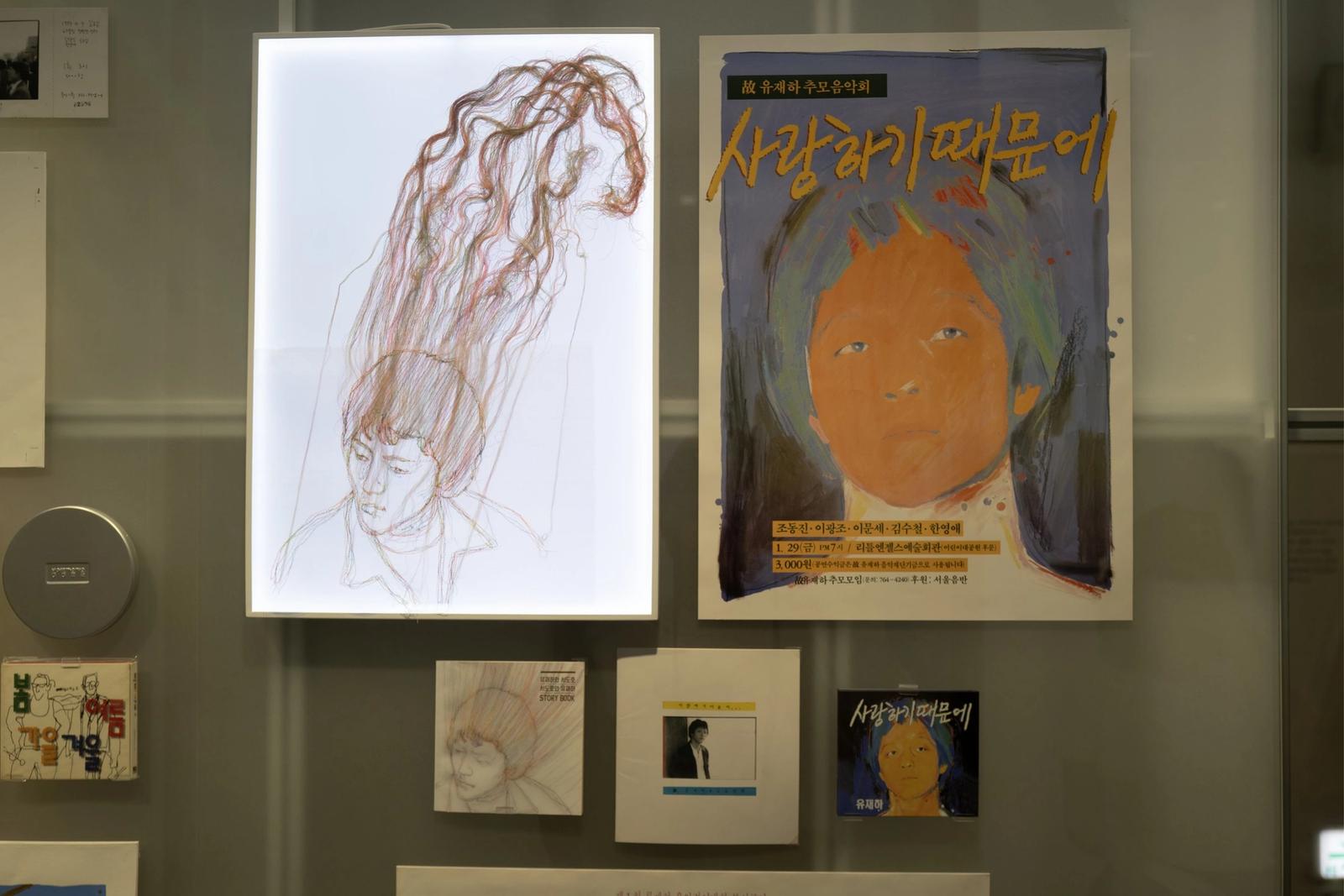
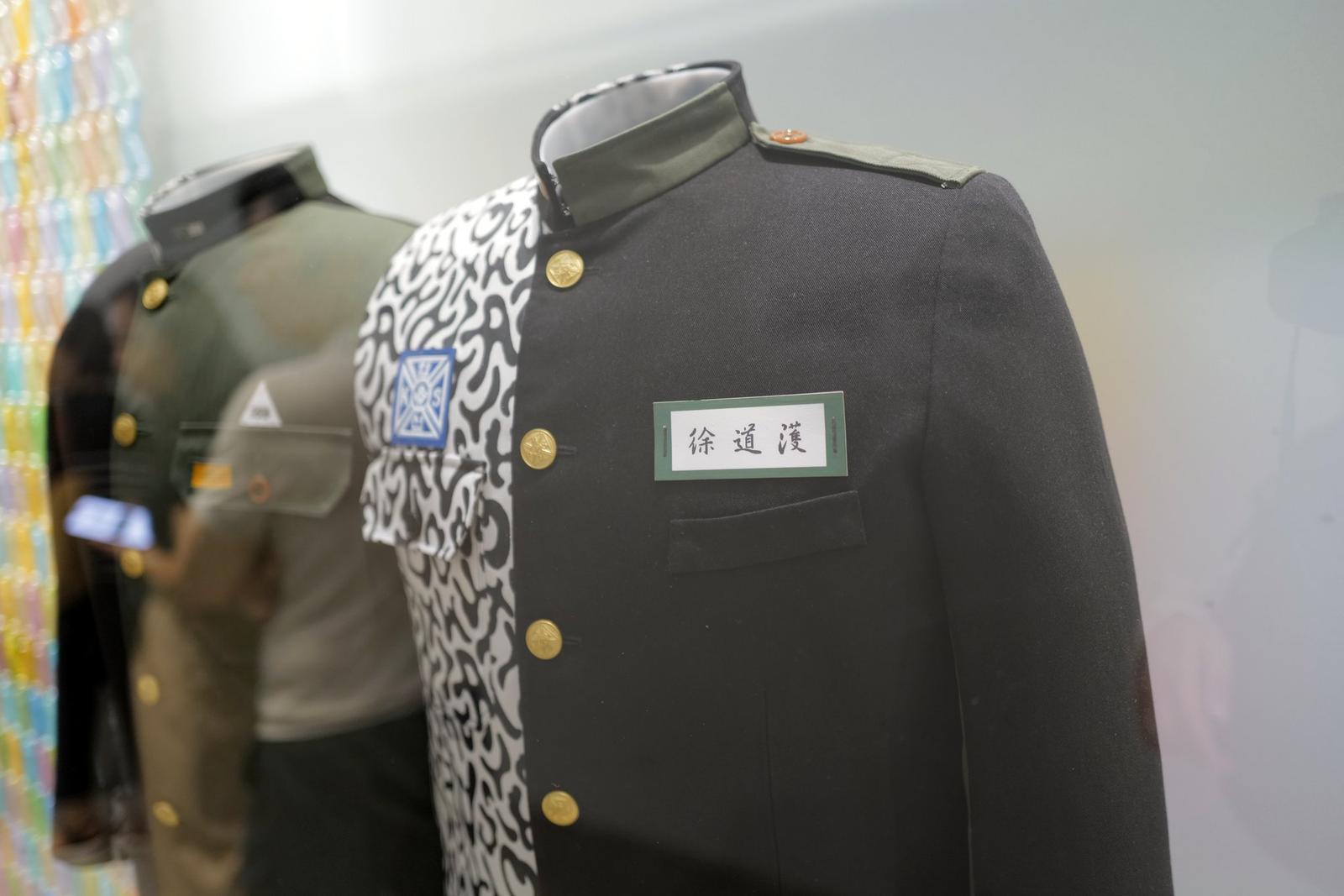
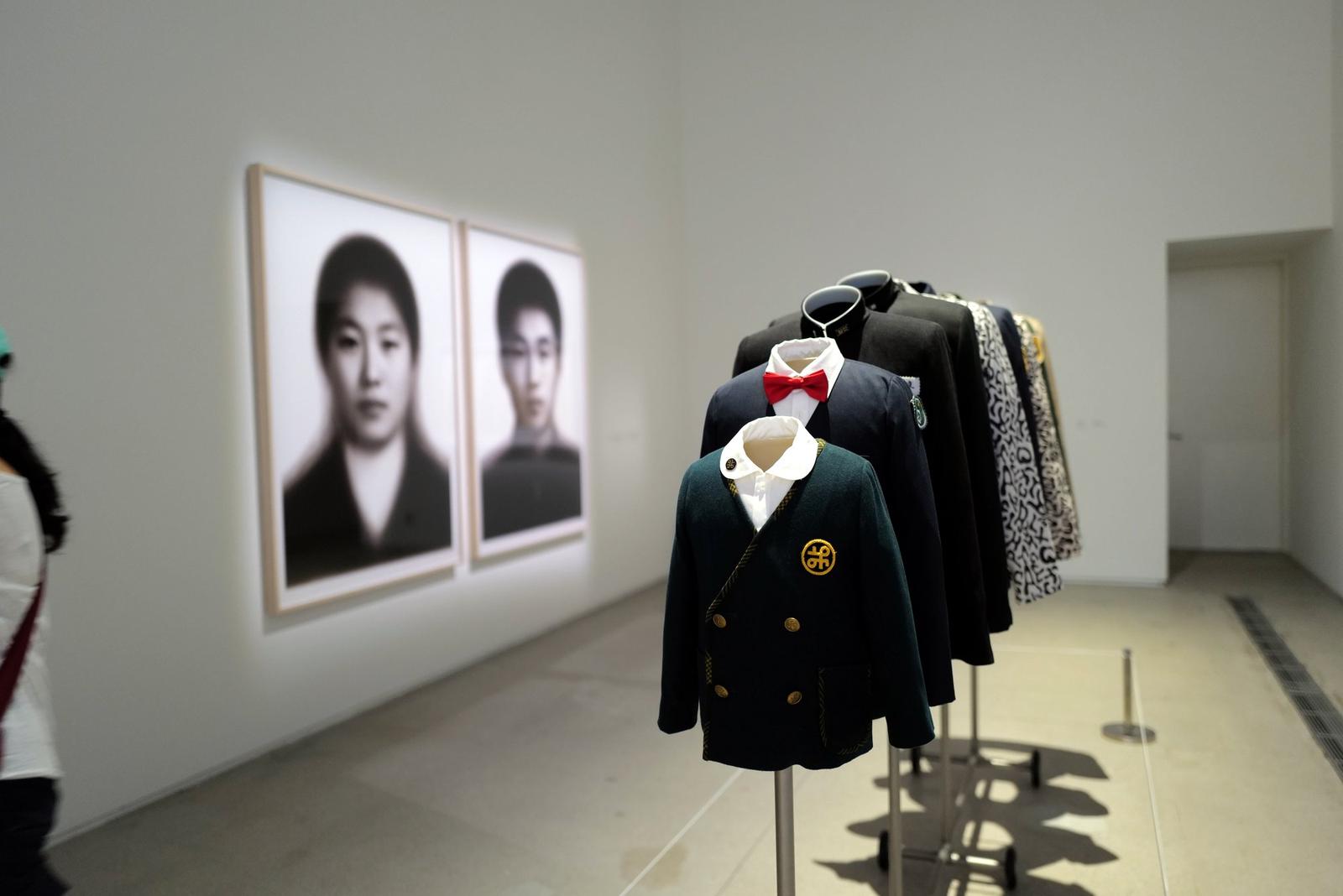
The exhibition begins in a corridor called "Seed Bank." It holds wooden carvings of sea creatures that the artist whittled in the yard of the hanok where he grew up, drawings from his childhood, his college graduation work and experimental pieces from before he studied in the United States. Also on view is a school-uniform jacket with a name tag reading "徐道濩" in Chinese characters.
200 Drawings in Thread
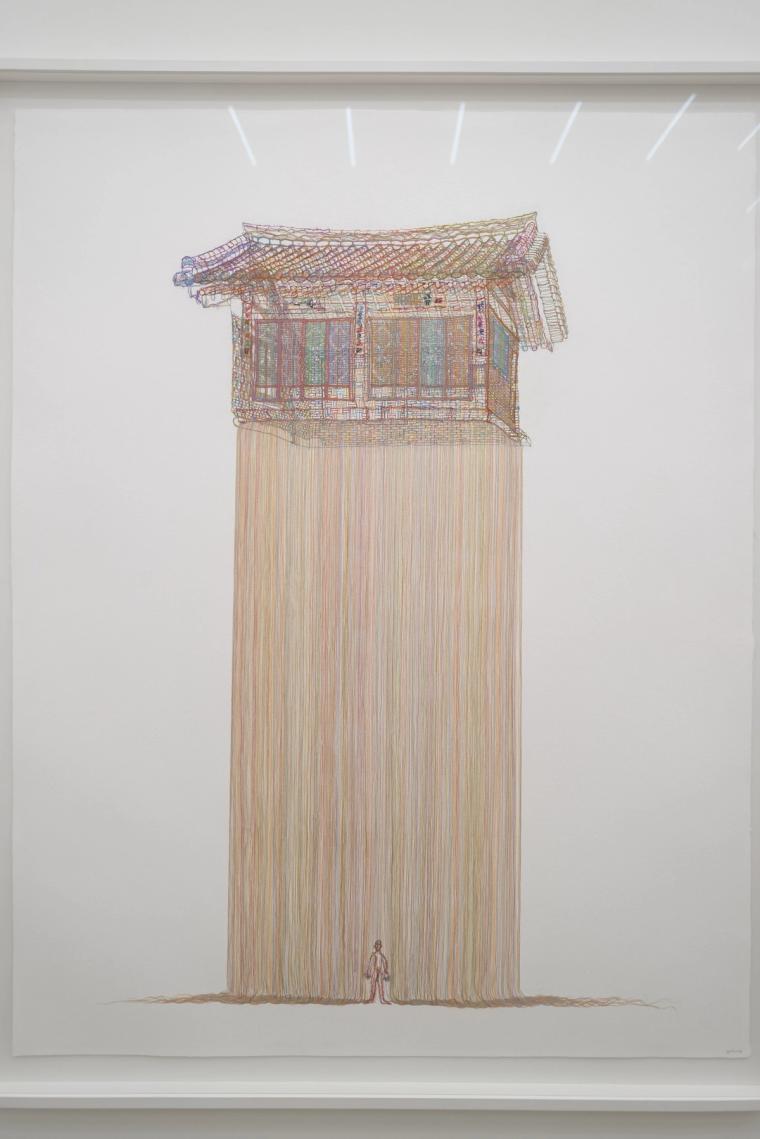
In Gallery 3, some 200 drawings fill the walls. Using a technique developed with STPI, a printmaking and papermaking workshop in Singapore, beginning in 2009, Suh embroidered thread onto a gelatin film and dissolved it into handmade paper so that the thread becomes embedded in the paper fibers. Visitors lingered in front of drawings such as a person running with a hanok on his back and hundreds of strands of colored thread flowing down like waves.
To Rub Is to Love
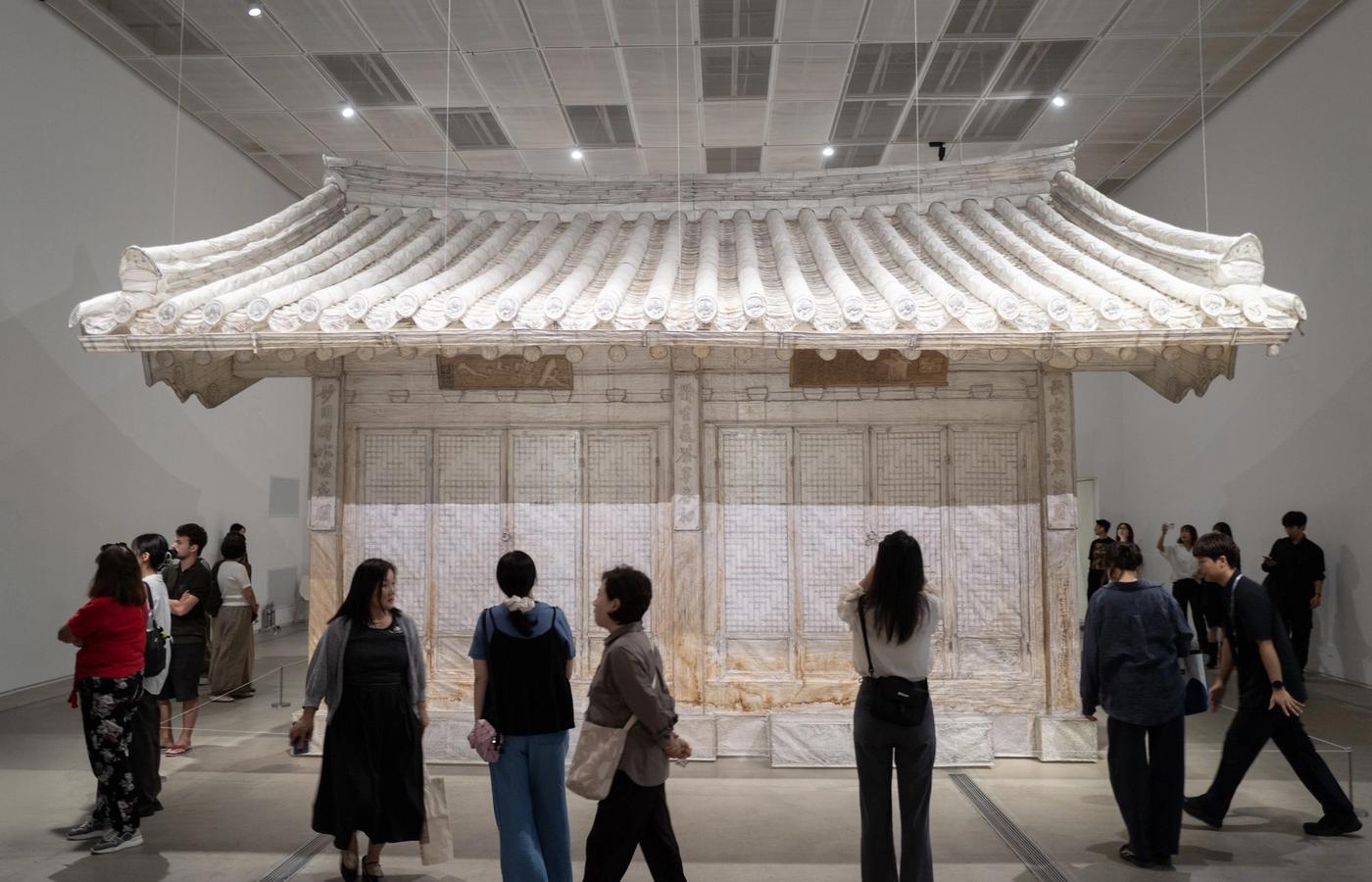
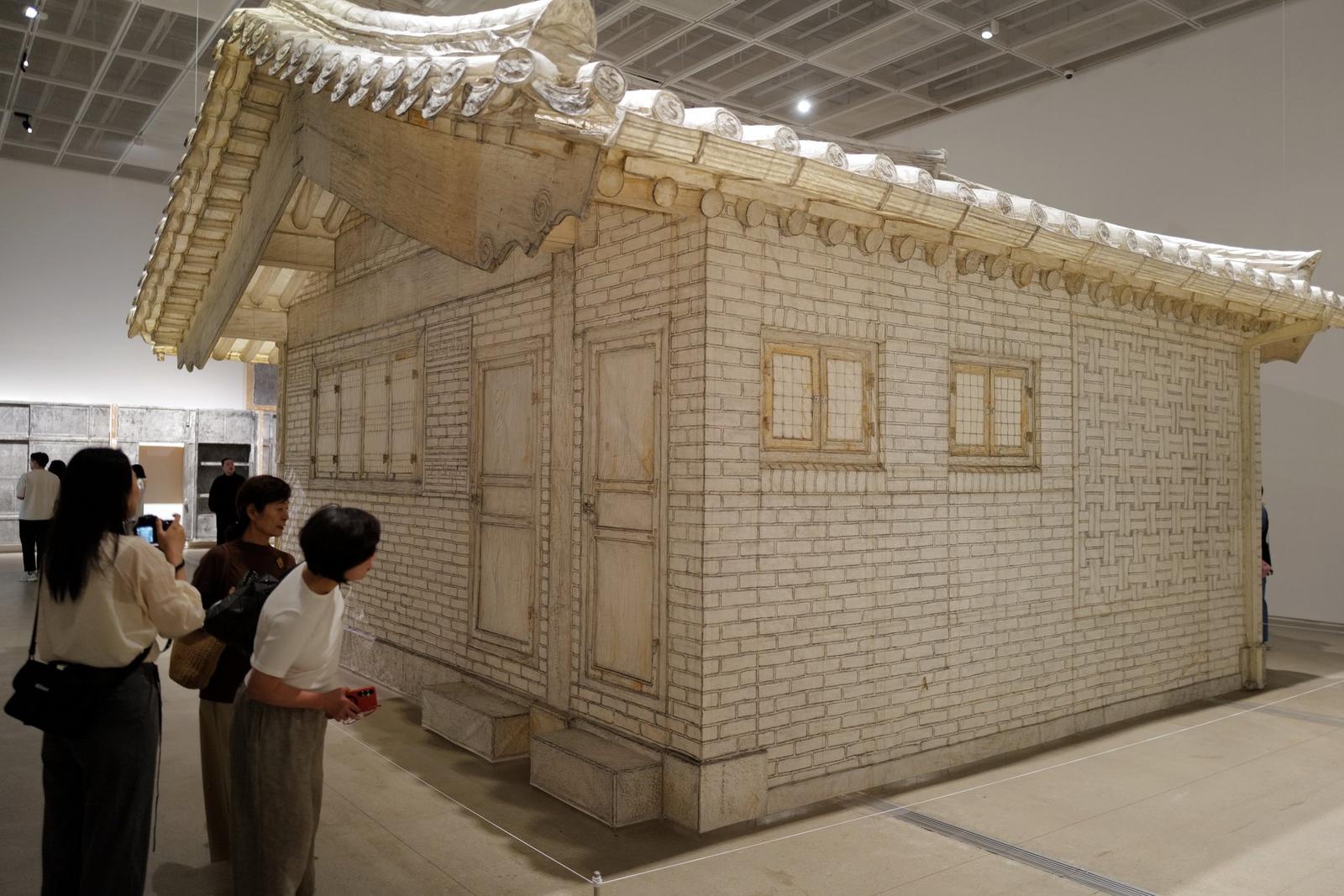
Gallery 4 is devoted to the "Rubbing/Loving" series. For these works, the artist presses hanji (Korean mulberry paper) against the surfaces of spaces where he has lived or that are disappearing, then rubs it with graphite and colored pencil to lift off their traces. The title comes from the similar sounds of "rubbing" and "loving." The idea is that the gesture of recording a space is itself an expression of cherishing that place.
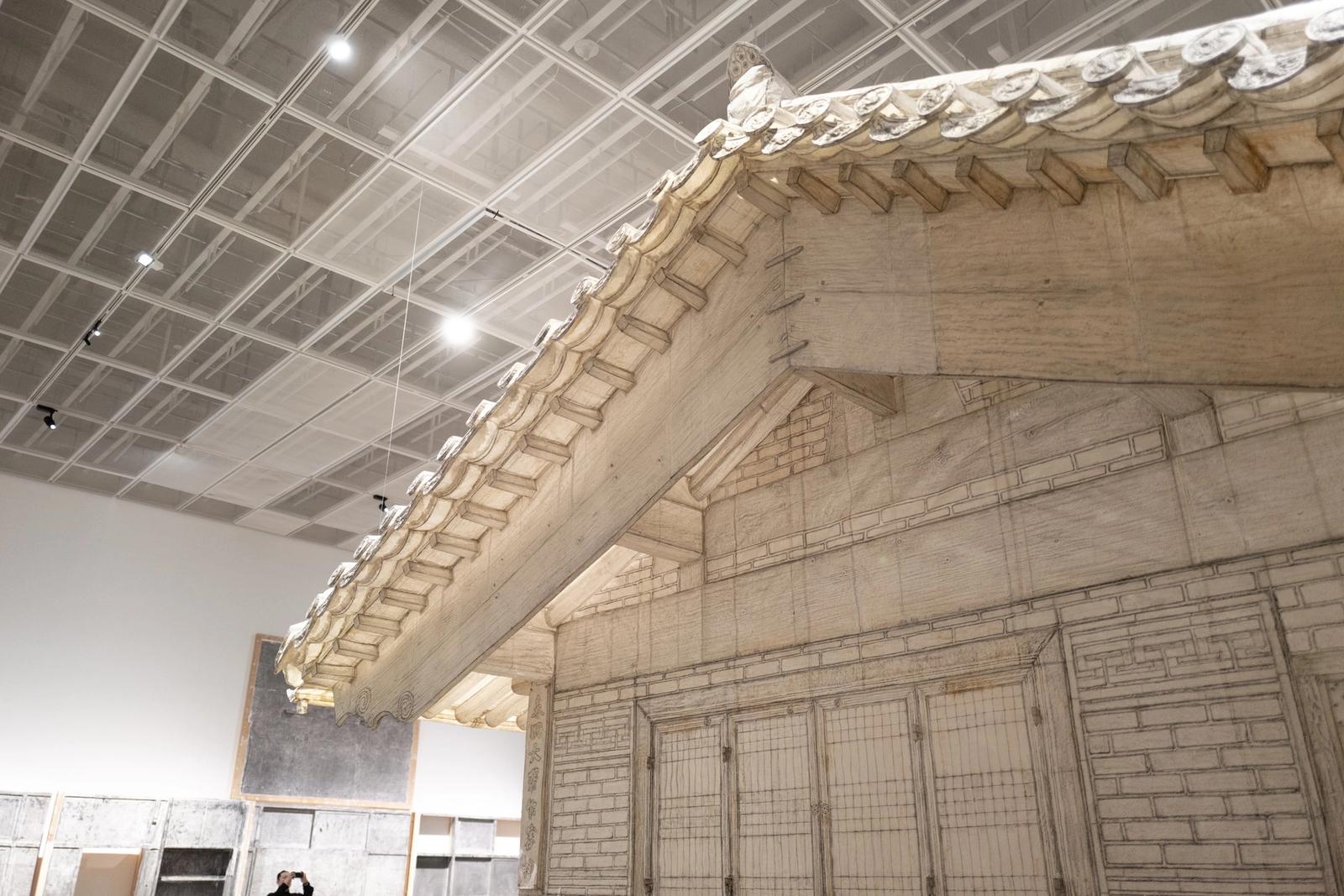
At the center of the gallery stands "Rubbing/Loving: Seoul Home" (2013–2022), a rubbing of the entire hanok, or traditional Korean house, in Seoul's Seongbuk-dong where the artist grew up. The tiled roof, rafters, lattice doors and every single brick remain intact on the paper. The artist describes the work as a self-portrait of himself and his father. His father is the Korean painter Suh Se-ok (pen name Sanjeong). Also on view are "Rubbing/Loving: Gwangju Theater Residence" (2012), a rubbing made together with many people of the residence at Gwangju Theater, and the "Rubbing/Loving" work of the West 22nd Street house in New York, which served as the basis for his new Guggenheim piece.
Homes in Six Cities, Combined in One
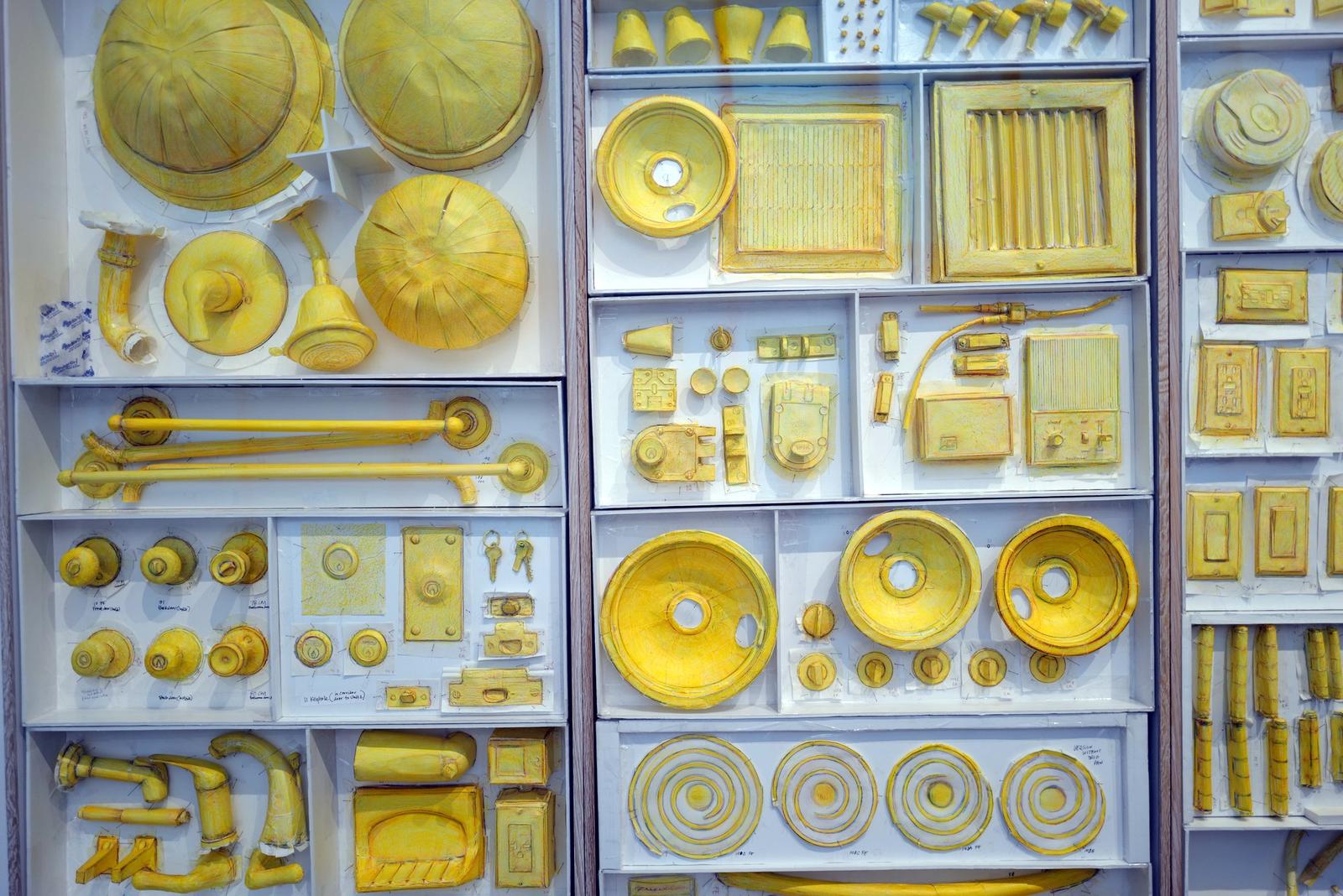
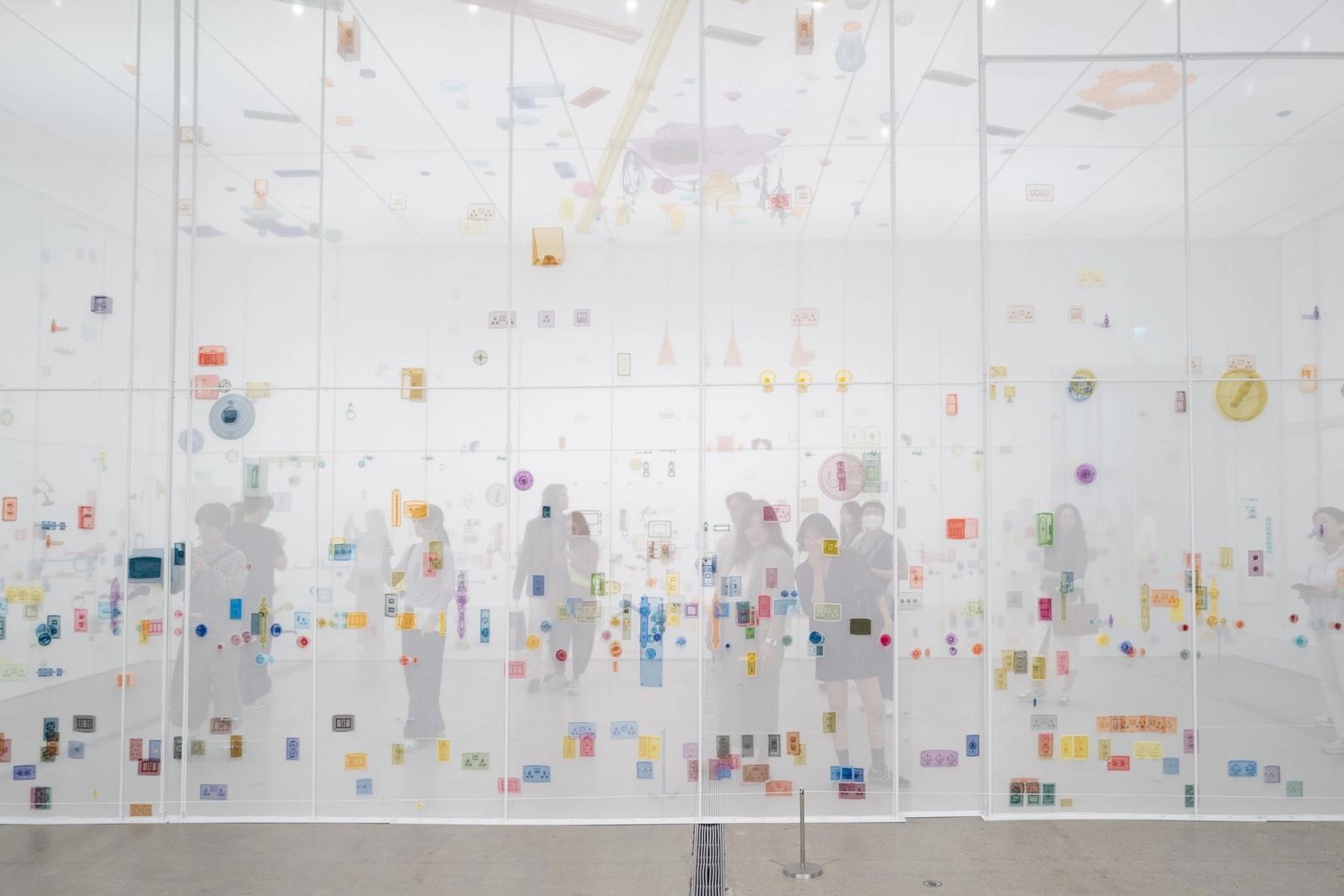
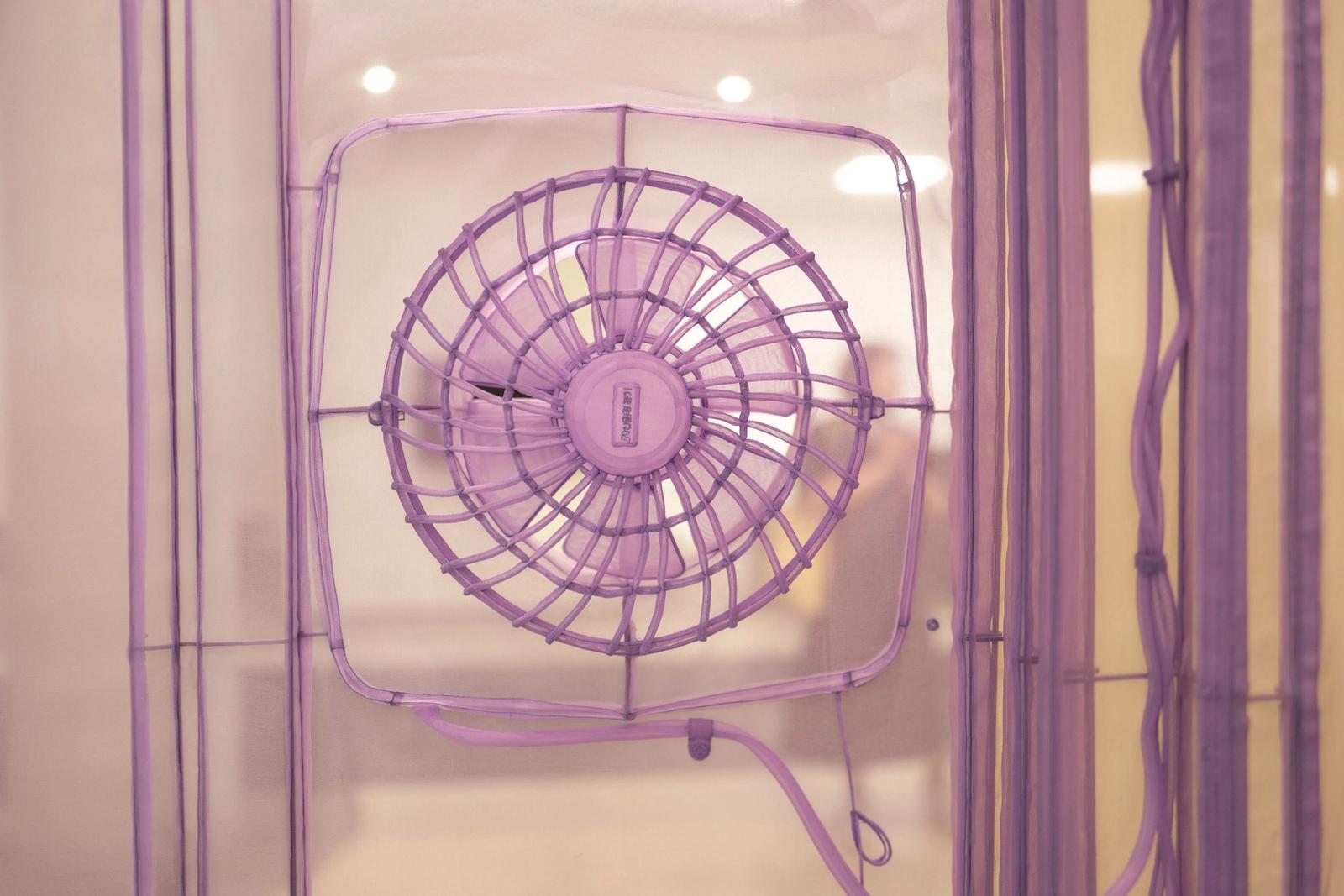
In Gallery 5, "Perfect Home: London, Horsham, New York, Berlin, Providence, Seoul" (2024) recreates the artist's current London apartment in translucent fabric, with details from the homes he has lived in, such as door handles, outlets and switches, layered throughout. Colorful fittings seem to float from the ceiling and walls, so visitors look at the inside and outside of the home at the same time.
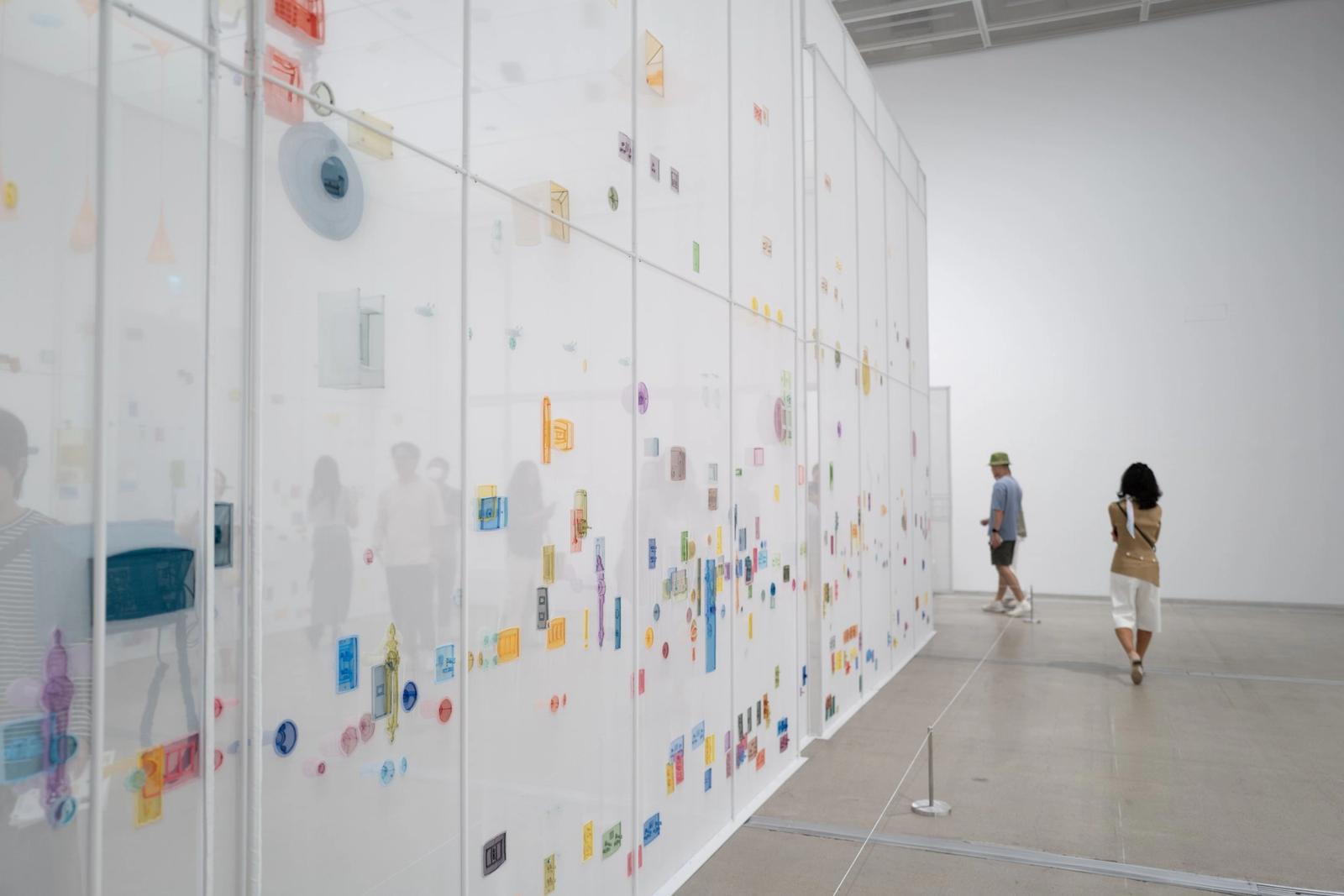
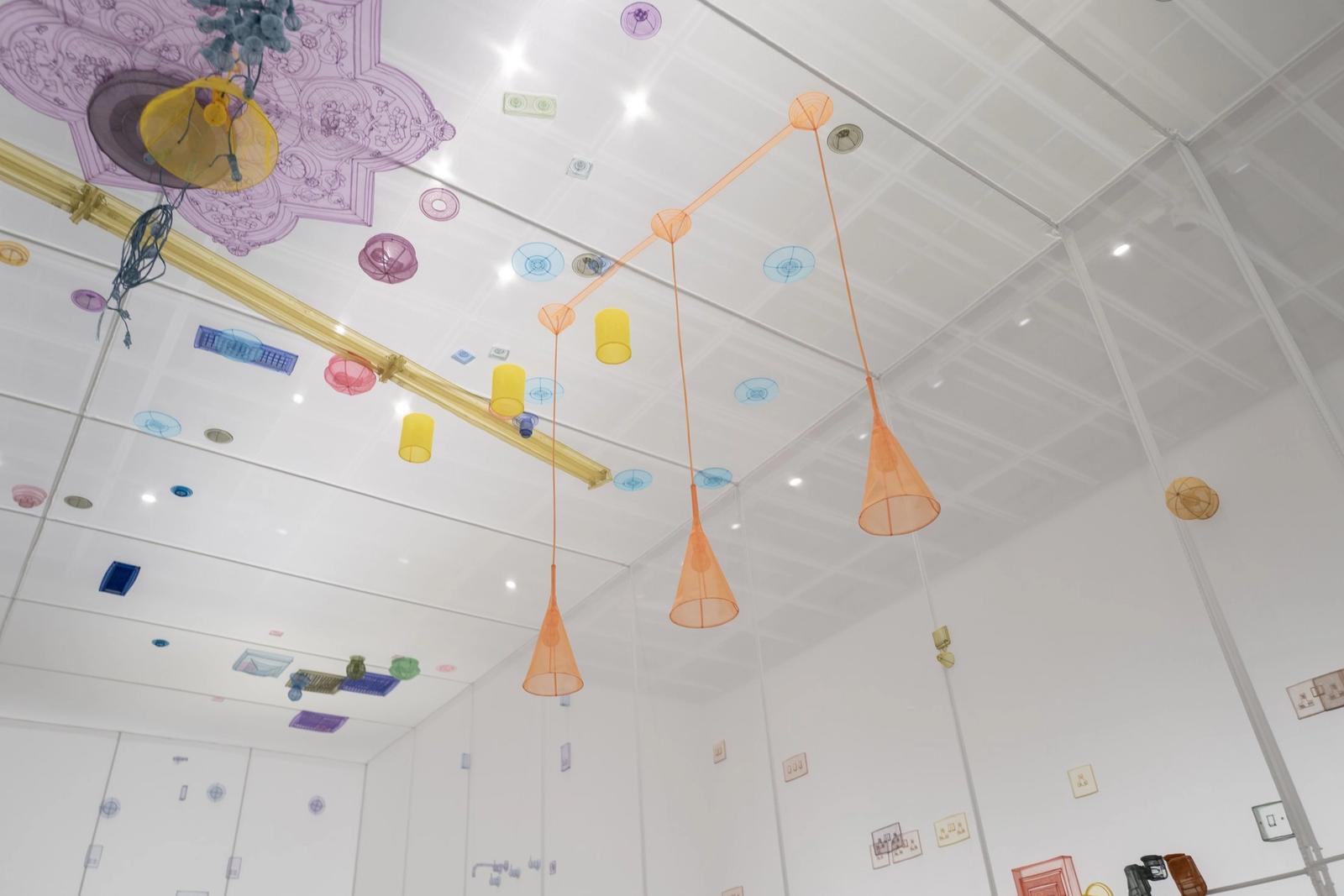
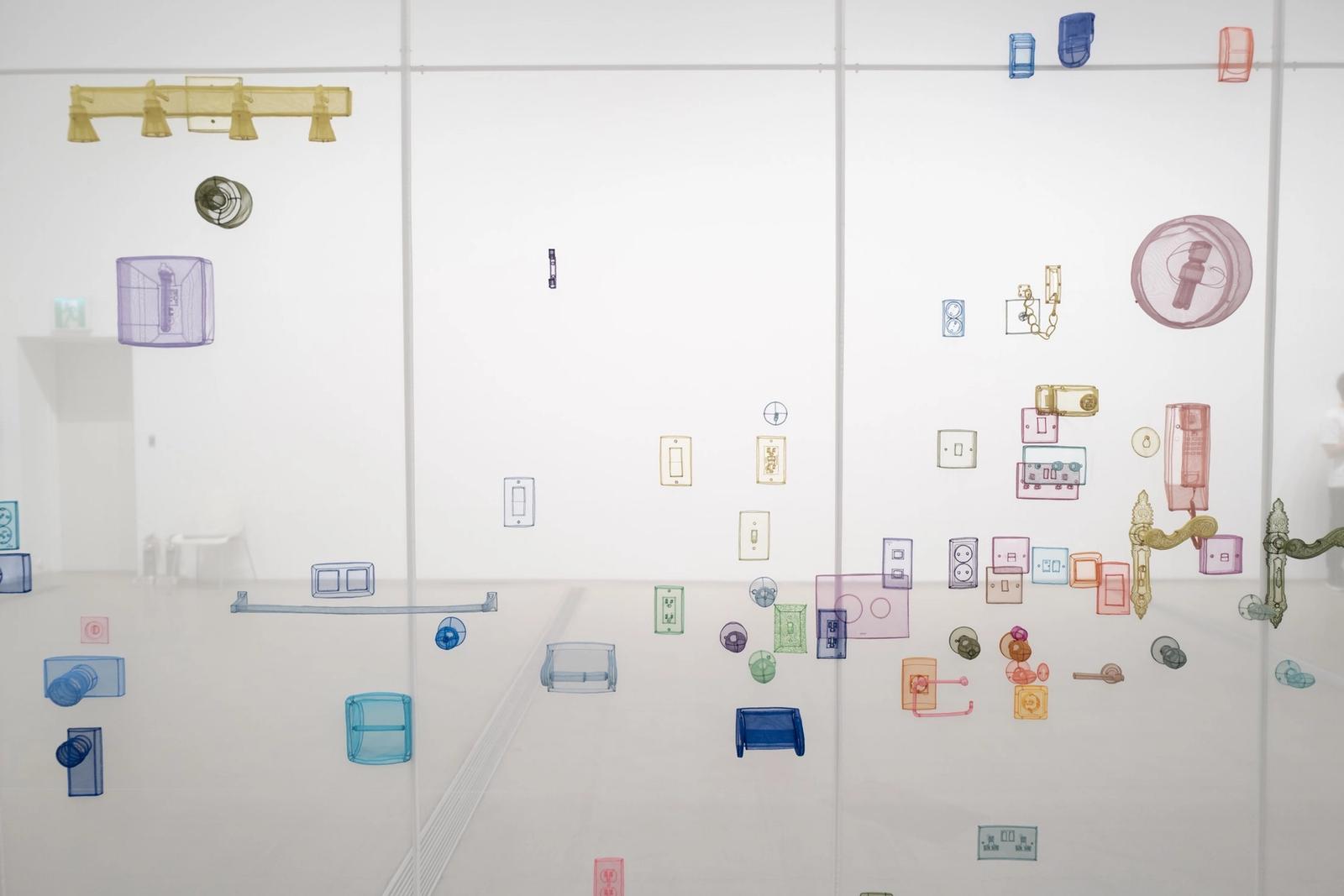
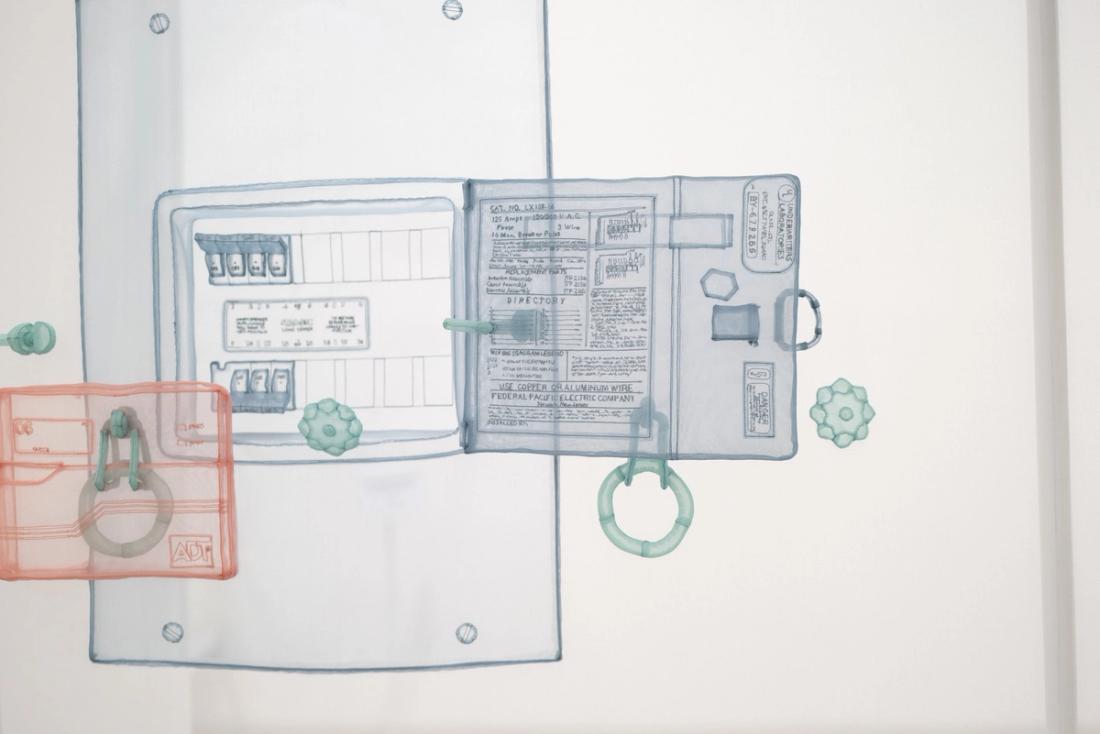
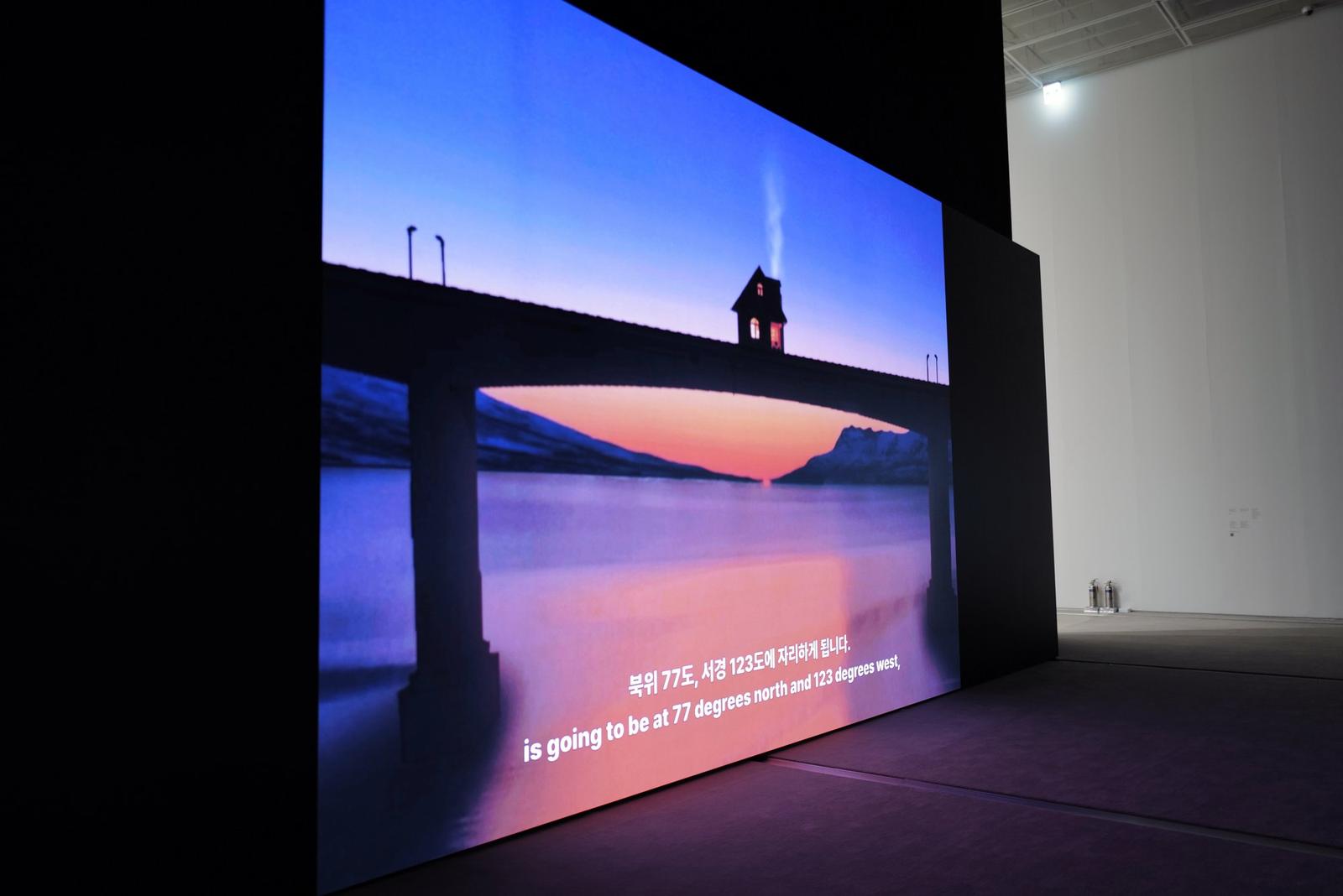
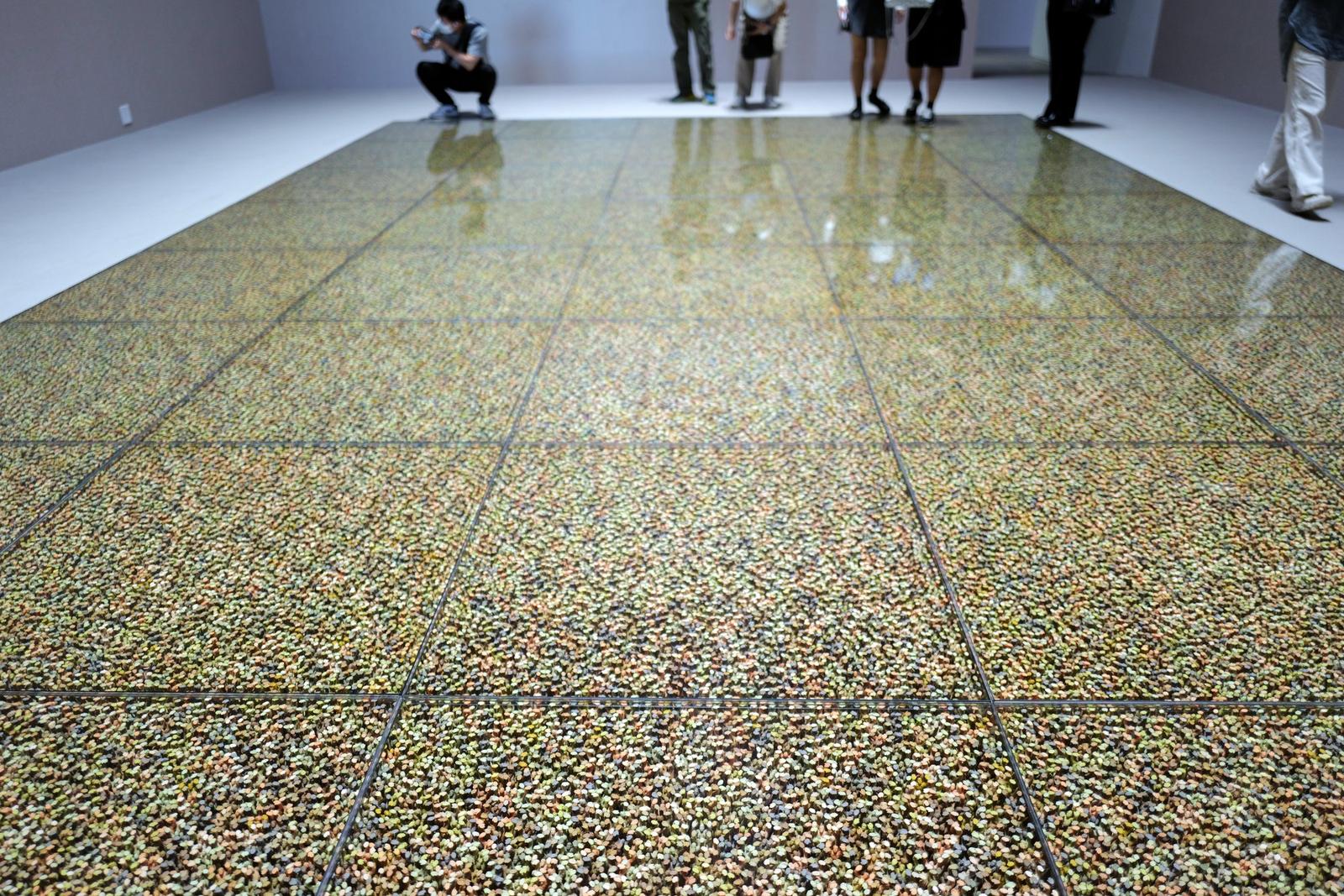
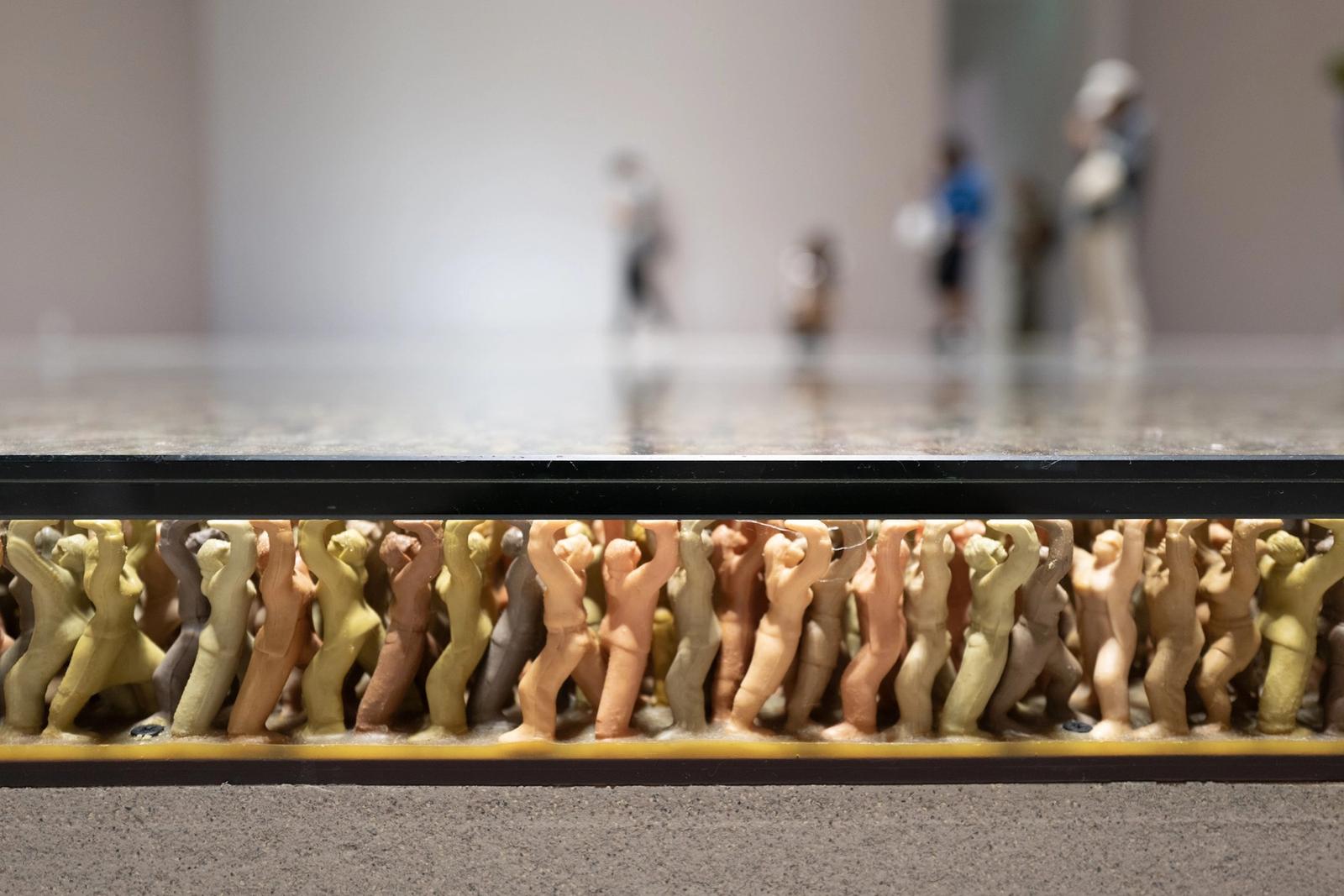
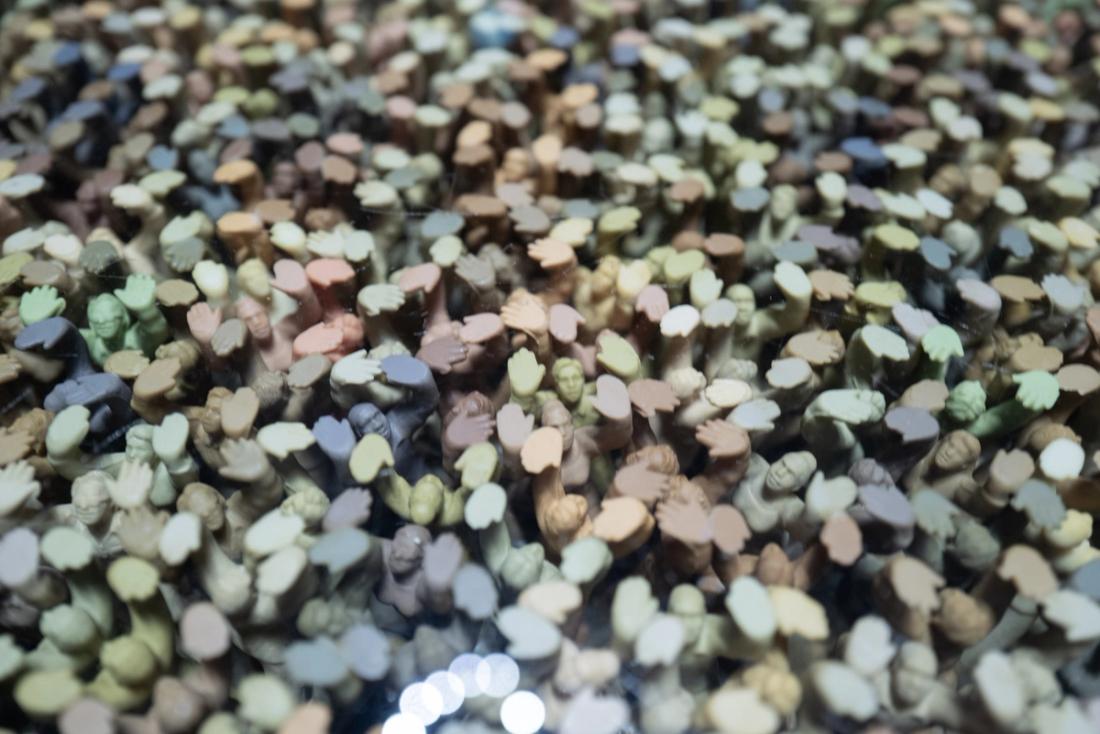
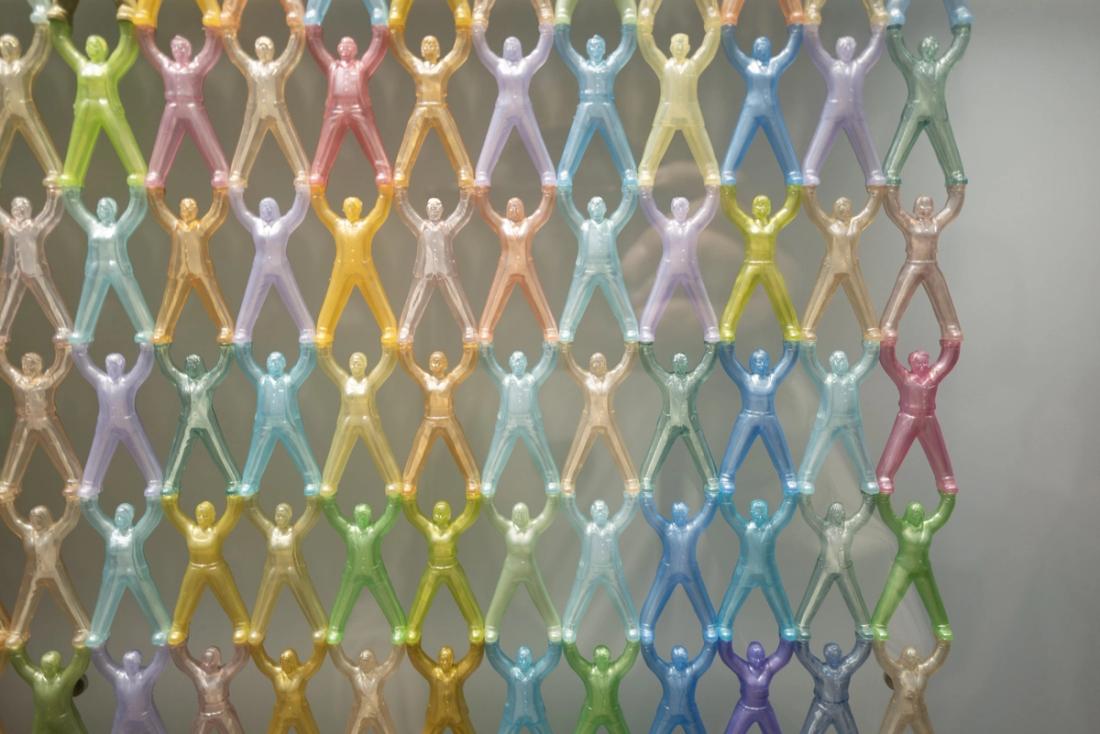
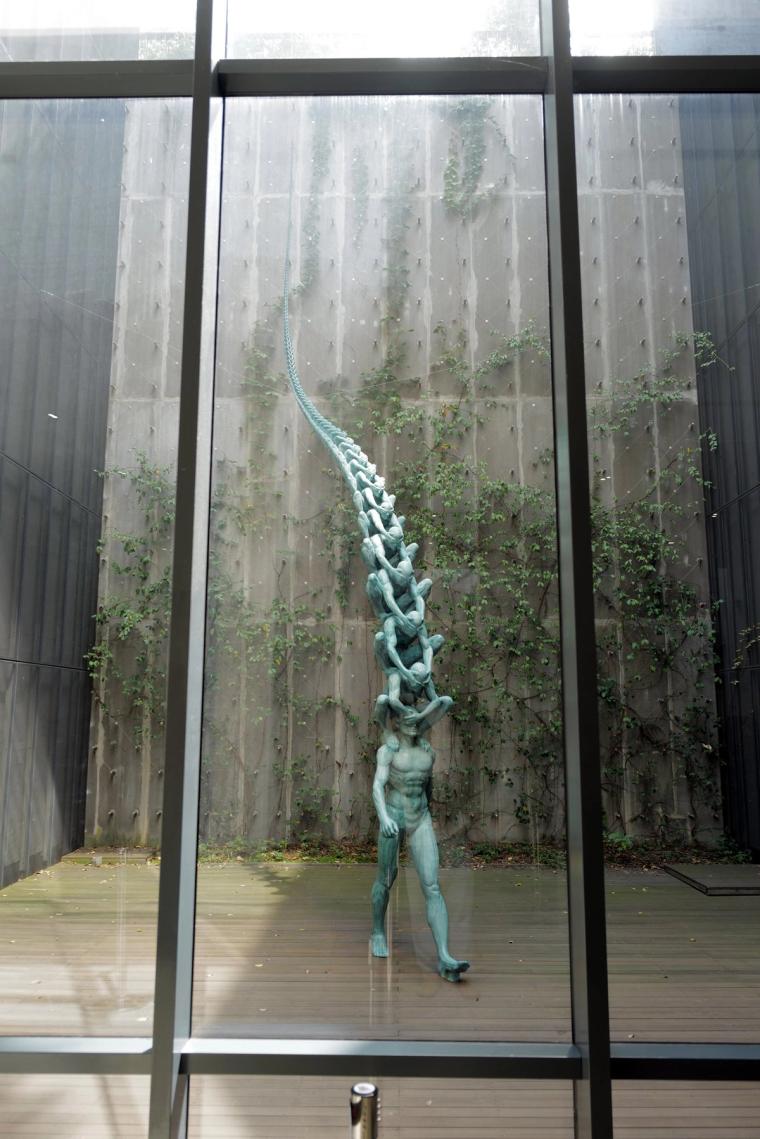
The same gallery screens footage of the "Bridge Project," which began in 1999 as an imaginary bridge linking Seoul and New York and later expanded to London. Also on view are "Who Am We?" (2000), a wall covered with students' yearbook photos, and "Floor" (1997–2000), in which countless tiny figures hold up a transparent glass floor from below. Visitors walk across the glass and feel the relationship between the individual and the group with their own bodies.
Walking Through a 22-Meter Fabric Passage
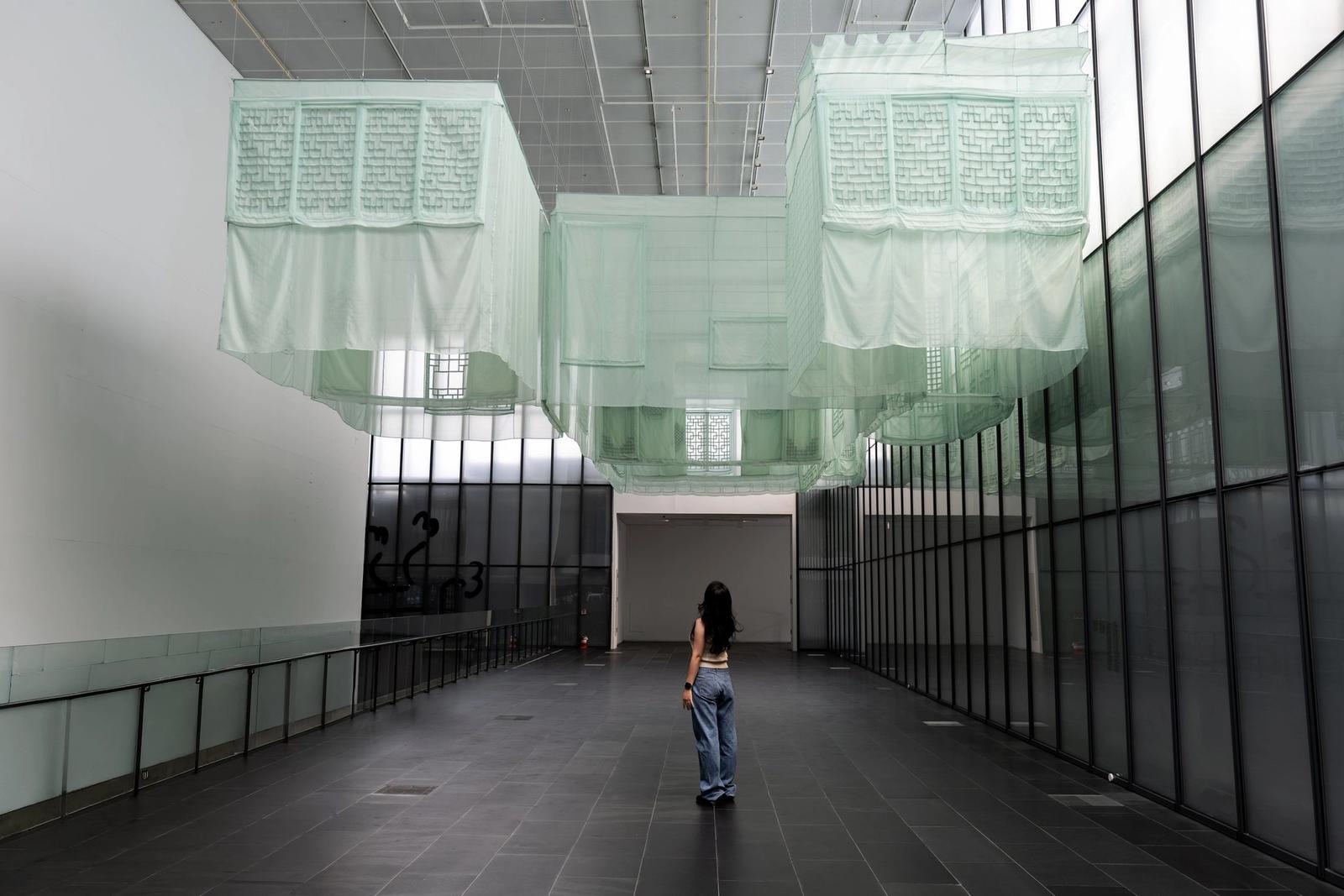
The exhibition ends outside Gallery 5 with the 22-meter-long "Nest/s" (2024). The entrances and hallways of homes and studios where the artist has lived in Seoul, New York, London, Berlin and elsewhere are recreated in fabrics of different colors, including green, pink, blue and purple, and joined into one. Visitors walk through a building that exists nowhere in reality and experience the memories of many addresses overlapping in a single space. The work resembles the "Hub" series shown at the Guggenheim.
From Body to Home and Back to Body
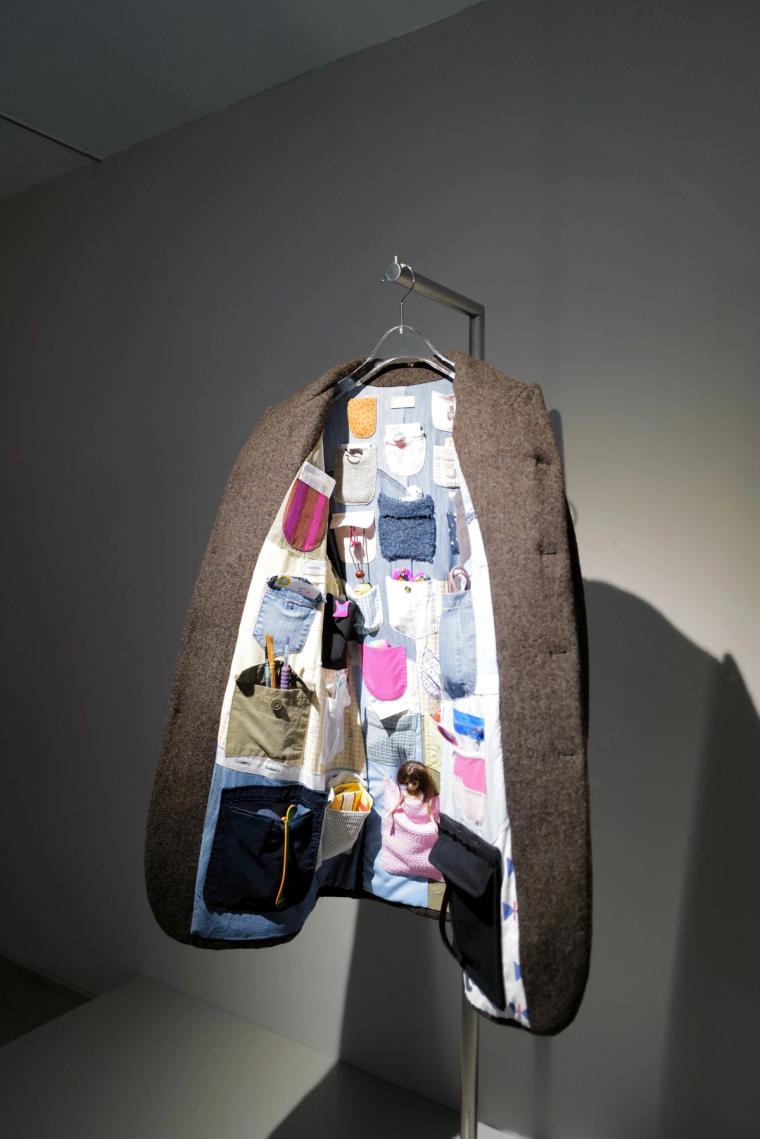
The MMCA Studio on the second floor gathers scale models of large-scale installations and works dealing with family and becoming a father. "Memory of Love" (2026), unveiled for the first time in this exhibition, has pockets cut from family members' clothing sewn inside the artist's own coat, so that precious objects can be held close to the body. It reflects Do Ho Suh's long-held idea that if clothing is the first home that envelops the body, then a home is another kind of clothing that envelops it.
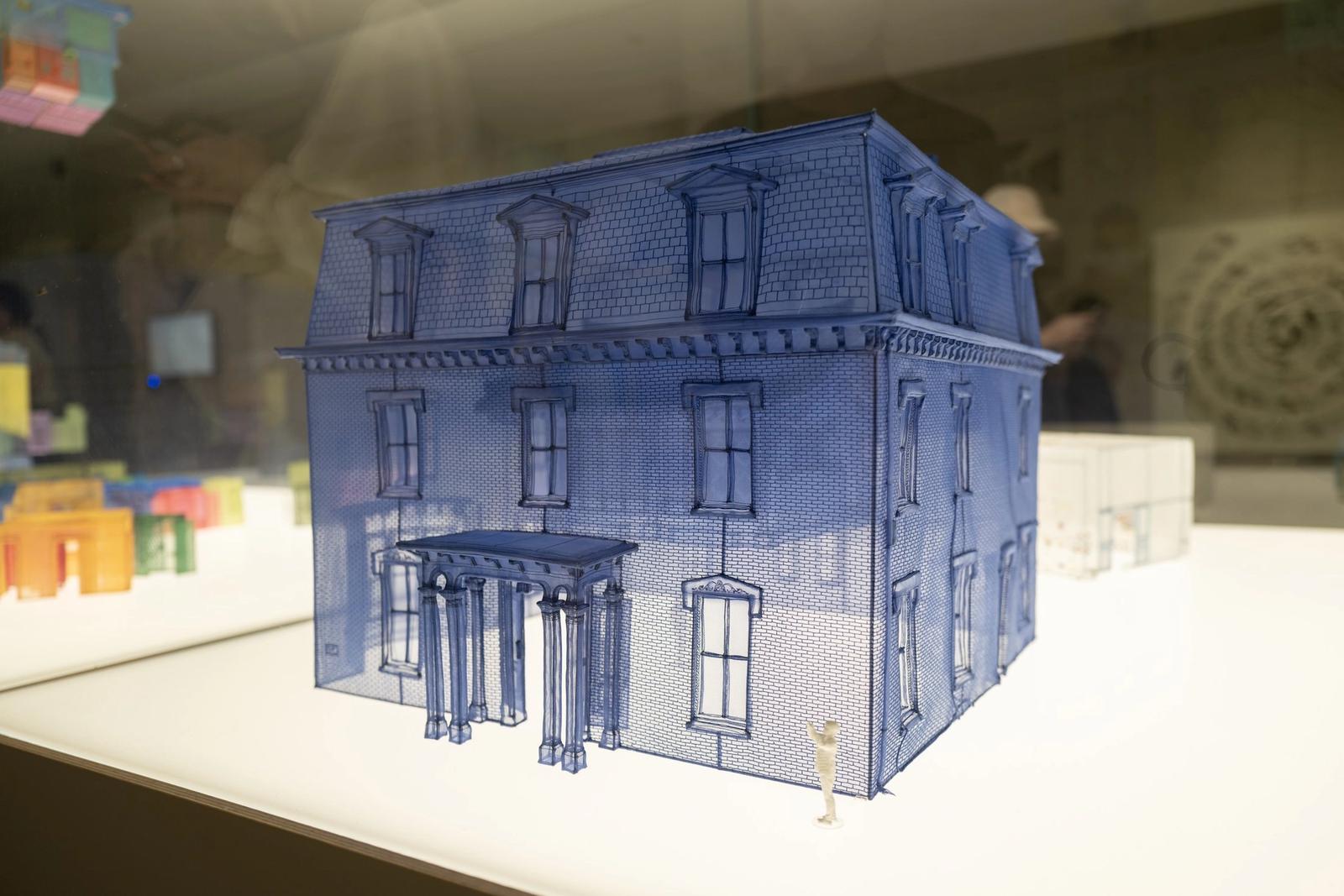
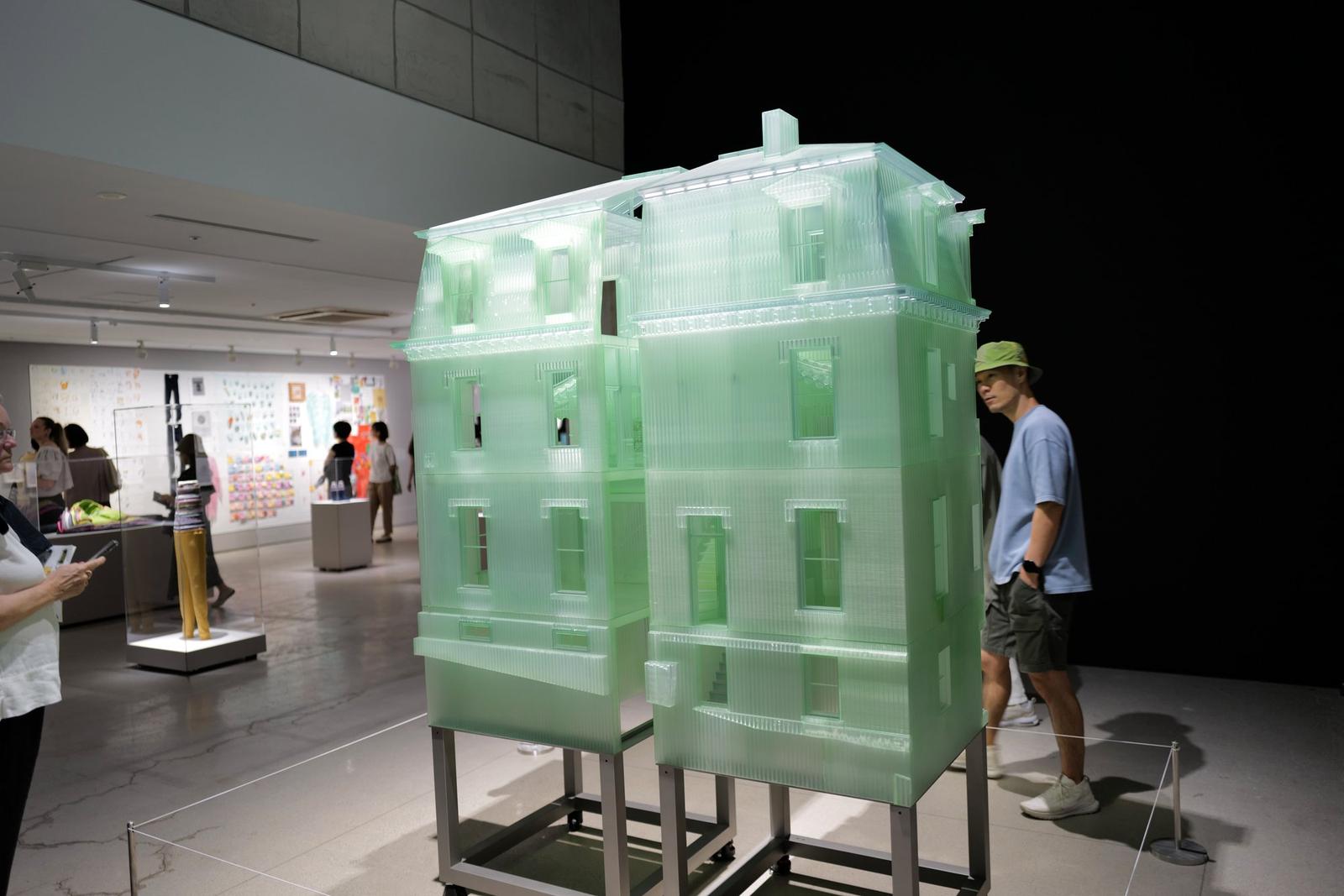
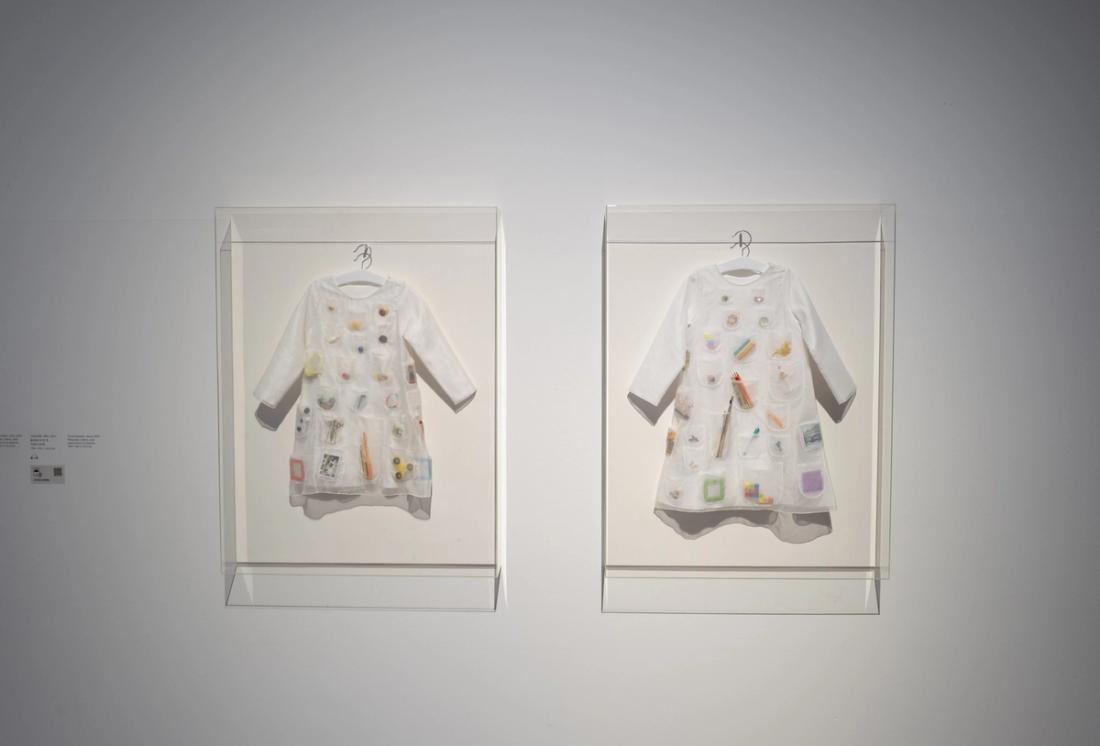
At the Seoul Box inside MMCA Seoul, a separate work recreating the West 22nd Street apartment in New York, along with its hallway and stairs, in fabric will be on view from Dec. 18 through March 28 next year. In effect, the same home greets visitors in fabric in Seoul and in rubbed paper in New York.
From Seoul to New York and London
Do Ho Suh was born in Seoul in 1962 and studied Oriental painting at Seoul National University. In 1991 he moved to the United States, where he graduated from the Rhode Island School of Design (RISD) and the Yale University graduate school. He represented Korea at the Korean Pavilion at the 2001 Venice Biennale and received the Ho-Am Prize in the Arts in 2017. He has held solo exhibitions at Tate Modern in London (2025), the Brooklyn Museum (2024 and 2018) and the Los Angeles County Museum of Art (2019), among others, and his works are in the collections of the Museum of Modern Art (MoMA) in New York, the Whitney Museum of American Art and Tate, among others. The Guggenheim also owns two of his works. He now lives and works in London.
Ticket reservation schedules and visitor information for the Guggenheim exhibition will be announced in stages on the museum's website.