
Excavation has begun on a new train tunnel running from North Bergen, New Jersey, under the Hudson River to Penn Station in Manhattan. A single tunnel that opened in 1910, the North River Tunnel, carries 450 weekday trains, and every breakdown there sets off a chain of NJ Transit delays. When the new tunnel opens around 2035, it is expected to relieve pressure on Penn Station commuter lines such as the Northeast Corridor and Midtown Direct. It has no bearing on bus commutes through the Lincoln Tunnel.
Digging has begun on a new Hudson River rail tunnel linking New York and New Jersey. The Hudson Tunnel Project will bore two new train-only tunnels from North Bergen, N.J., beneath the Palisades cliffs and under the Hudson River to Penn Station in Manhattan. The tunnels are separate from the Lincoln and Holland tunnels used by cars and carry NJ Transit and Amtrak trains. New York Gov. Kathy Hochul attended the Gateway Development Commission (GDC) groundbreaking event for the excavation on Sept. 28, and the first boring machine began cutting into bedrock in early October.
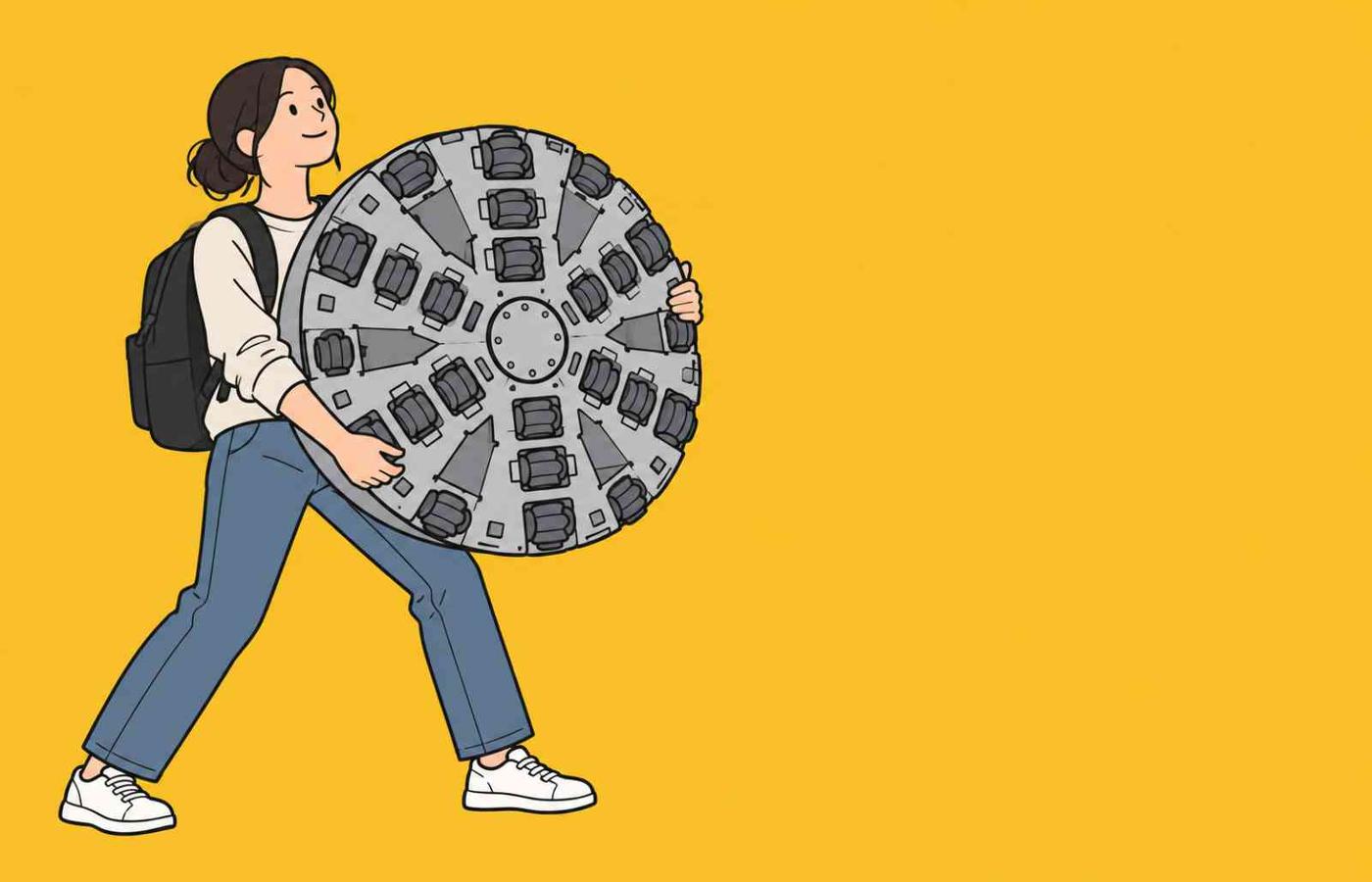
The first stretch is about 1 mile on the New Jersey side. Two boring machines will cut through solid rock beneath the Palisades cliffs from the tunnel entrance in North Bergen to the Hudson County access shaft on the Weehawken-Hoboken border. Advancing about 30 feet a day, including time for inspections, they are expected to reach the shaft in about a year. The machines will then be swapped for two that will handle the river section, tunneling beneath the Hudson riverbed and through Hudson Yards in Manhattan to Penn Station. Schiavone Dragados Lane JV is building this section, and the Port Authority of New York and New Jersey is overseeing construction together with the GDC.
The biggest beneficiaries will be New Jersey commuters whose trains run into Penn Station. The only rail tunnel now crossing under the Hudson is the North River Tunnel, which opened in 1910 and consists of two single-track tubes. About 450 NJ Transit and Amtrak trains pass through it each weekday. Since it was flooded with seawater during Hurricane Sandy in 2012, electrical and signal failures have been frequent, and a single stalled train inside the tunnel has been enough to delay Northeast Corridor trains (toward Newark, New Brunswick and Trenton), North Jersey Coast Line trains (toward Red Bank and Long Branch) and Midtown Direct trains (toward Montclair, Maplewood and Summit) in succession. Passengers who transfer at Secaucus from the Bergen County Line, Main Line and Pascack Valley Line (toward Ridgewood and Hackensack) are affected as well, as are Amtrak riders traveling to and from Philadelphia and Washington.
Once the new tunnel opens around 2035, trains will be shifted to it, and the old tunnel will be closed and repaired one tube at a time. When all the work is finished, the number of tracks under the Hudson will double from two to four, allowing trains to be rerouted to the other tunnel if one has a breakdown. The tunnel is expected to serve about 200,000 riders a day once complete, and it will be the first new rail tunnel under the Hudson River since 1910. It has no direct connection, however, to bus and car commutes into Manhattan through the Lincoln Tunnel from Bergen County communities such as Palisades Park, Fort Lee and Englewood. New Jersey Gov. Mikie Sherrill called the Hudson Tunnel "the most important infrastructure project in America" and said she would work to see it through to completion.