
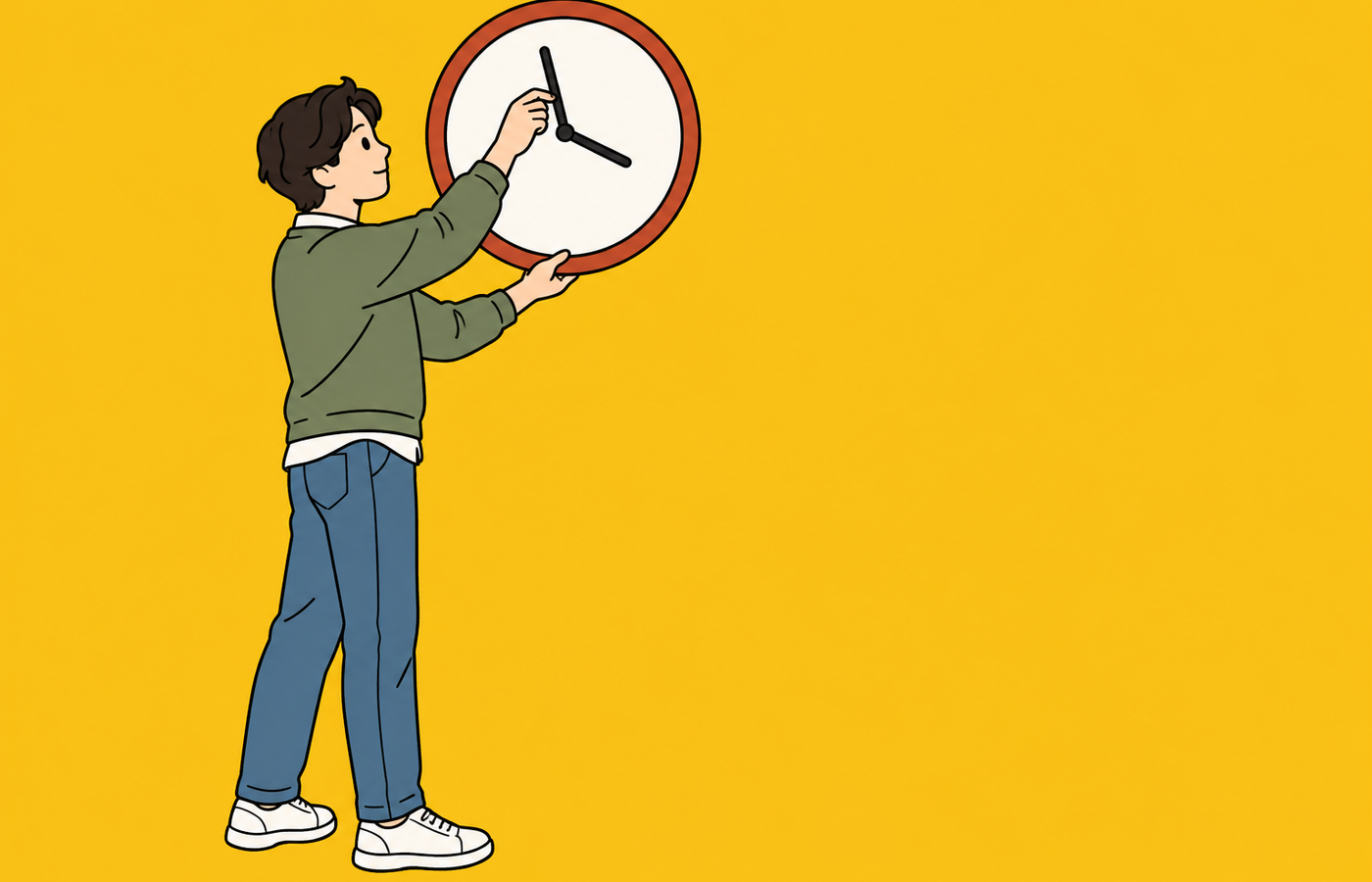
Daylight saving time ends this year at 2 a.m. on Sunday, Nov. 1, when clocks go back to 1 a.m. and the day gains an extra hour. Phones and computers update on their own, but car clocks, wall clocks and oven clocks must be set by hand. Because sunset comes an hour earlier, drivers heading home from work and children traveling to and from school should take extra care.
Once a year around this time, the same confusion returns: the end of daylight saving time. This year it ends at 2 a.m. on Sunday, Nov. 1. Here is a quick guide to which way the clocks move and whether you get more or less sleep.
When and How the Time Changes
The English phrase "spring forward, fall back" helps keep it straight. Because clocks go back in the fall, the 1 a.m. hour occurs twice. For people working overnight shifts, it is also a day with an extra hour on the job.
From the watch on your wrist to the clock in your kitchen, there are more clocks than you might think. The easiest approach is to set them ahead of time, before you go to bed on Saturday, Oct. 31. There is no need to wait until 2 a.m.
What Changes Automatically and What Doesn't
Phones, laptops, tablets, smartwatches and smart speakers get the time from the network, so you don't need to touch them. Cable set-top boxes and recent smart TVs are usually automatic as well.
Other devices have to be set by hand. The dashboard clock in your car is the one most often forgotten. Microwaves and ovens, wall clocks and desk clocks, wristwatches, older alarm clocks, coffee makers, some thermostats and home security system panels are also manual. If you have set timers for a garage door or outdoor lighting, check those too.
Fire departments also recommend one more thing every year: while you are changing the clocks, replace the batteries in your smoke alarms and carbon monoxide detectors. The practice took hold because it ties the task to two dates a year that are easy to remember. Because the change coincides with the start of the heating season, carbon monoxide detectors are especially worth checking.
The Sun Sets Earlier
Once the clocks go back, sunset comes an hour earlier starting Nov. 1. In the New York and New Jersey area, the sun sets at around 5:50 p.m. on Oct. 31, but around 4:50 p.m. on Nov. 1. It feels as if the evening disappeared overnight.
The biggest practical concern is the evening commute. A drive home that used to take place in daylight suddenly happens in the dark. Statistics showing that pedestrian accidents rise in the weeks right after daylight saving time ends are reported every year. If your child walks home from school or comes out late from after-school activities, it is a good idea to prepare bright-colored clothing or reflective stickers.
Shorter days can also dampen moods. Seasonal affective disorder (SAD), which brings recurring lethargy and low mood in fall and winter, is not uncommon. Getting morning sunlight on purpose and keeping regular sleep and wake times can help. If symptoms last more than two weeks and interfere with daily life, consider consulting a professional.
Time Difference With Korea
When daylight saving time ends, the U.S. East Coast returns to Eastern Standard Time (EST). Korea does not observe daylight saving time, so the time difference widens from 13 hours to 14 hours. When it is 9 a.m. in New York, it is 11 p.m. the next day in Seoul. When calling Korea or scheduling a video conference, keep in mind that times shift by one hour starting Nov. 1.
Europe's daylight saving time already ended on the last Sunday of October. For about a week from late October to early November, the time difference between the U.S. and Europe is one hour different from usual, so it is safer to double-check when scheduling anything with Europe during this period.
What About Ending Daylight Saving Time?
Bills to abolish daylight saving time altogether have been introduced in Congress several times. But unless a bill passes both the House and the Senate and becomes law, the current system remains in place. This year's clock change on Nov. 1 will take place as scheduled.
One more thing: Nov. 1 is the day after Halloween. Even if you stay out late on the night of Oct. 31, the clocks going back means you can sleep an extra hour. It is a bonus that comes only once a year.