
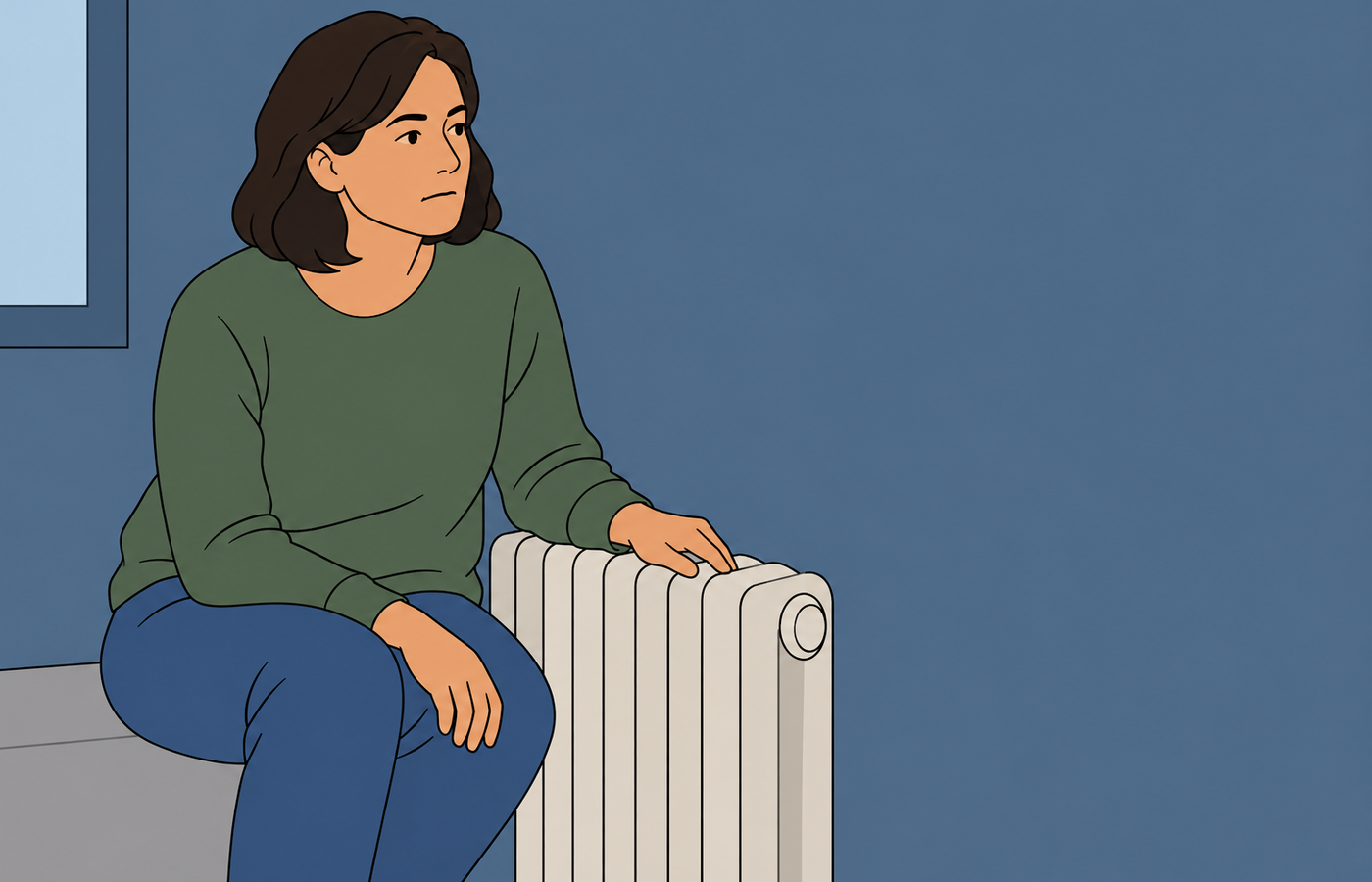
New York City landlords of residential buildings must provide heat at or above set indoor temperatures during "Heat Season," from Oct. 1 to May 31 each year, and must supply hot water at 120 degrees or higher all year round. If heat or hot water falls short of the standard, tenants can report it to 311, and the Department of Housing Preservation and Development (HPD) will verify the complaint and issue a violation if warranted.
New York City designates Oct. 1 through May 31 of the following year as "heat season," during which the law requires owners of residential buildings to provide tenants with heat at or above a certain temperature. The requirements vary by time of day. Between 6 a.m. and 10 p.m., indoor temperatures must be at least 68 degrees when the outside temperature falls below 55 degrees Fahrenheit. Between 10 p.m. and 6 a.m., indoor temperatures must be at least 62 degrees at all times, regardless of the outside temperature.
The hot water requirement applies in every season. Landlords must provide uninterrupted hot water at 120 degrees Fahrenheit or higher 365 days a year, and tenants can report a hot water shortage at any time, even outside heat season. By contrast, complaints about "overheating," when an apartment is too hot, are accepted only between June 1 and Sept. 30.
First, notify the building manager
If the heat is weak or the hot water is lukewarm, the first step is to notify your landlord, management company or superintendent and ask them to fix it. If you live in a co-op or condo, the party responsible may vary depending on the agreement between the unit owner and the board, so notify the owner, management company or board before reporting to the city. Noting the date and time you made contact and the indoor temperature, or keeping photos of a thermometer, can help in later steps.
How to File a 311 Complaint
If the problem is not fixed after you notify the building manager, report it to 311. You can call 311, or go to the 311 website or the NYC311 app and select "Heat or Hot Water Complaint in a Residential Building." Depending on whether the problem affects only your unit or the entire building, choose either an "apartment" complaint or a "whole building" complaint. When reporting a problem in your own apartment, you must provide your contact information. 311 offers interpretation in many languages, including Korean.
Once a complaint is received, HPD contacts the building owner to notify them of the complaint and warns that a violation may be issued if the problem is not fixed immediately. HPD also calls the person who filed the complaint to check whether the problem has been fixed, and if the complainant says it has been resolved, the complaint is closed. If the problem has not been fixed or HPD cannot reach the complainant, an HPD inspector visits the site. The date of the inspector's visit is not announced to the landlord in advance, and if you are not comfortable with English, you can tell the inspector and be connected to an interpreter.
During an on-site inspection, inspectors also check items beyond heat and hot water, including whether fire alarms and carbon monoxide detectors work, mold, pests such as mice and cockroaches, locks that require a key to exit, lead paint in homes with children under 6, and window guards in homes with children under 11. Complaint and violation histories can be searched by address on HPD Online, which can also serve as a reference when choosing a new home.
If the Problem Still Isn't Resolved
If the landlord still does not make repairs after a complaint is filed, tenants can bring a case in Housing Court. Records of communications with the landlord, building manager and HPD, along with their dates and temperature logs, serve as evidence, so it is best to keep careful records from the start. A landlord who pressures a tenant to move out or deliberately delays repairs because the tenant reported a heat problem may be committing tenant harassment, which can also be reported to 311. Residents of public housing (NYCHA), unlike those in other buildings, use the process for reporting NYCHA public housing maintenance issues.